Sunday, 5th April 2026

Khabor Wala Desk
Published: 3rd February 2026, 11:17 PM
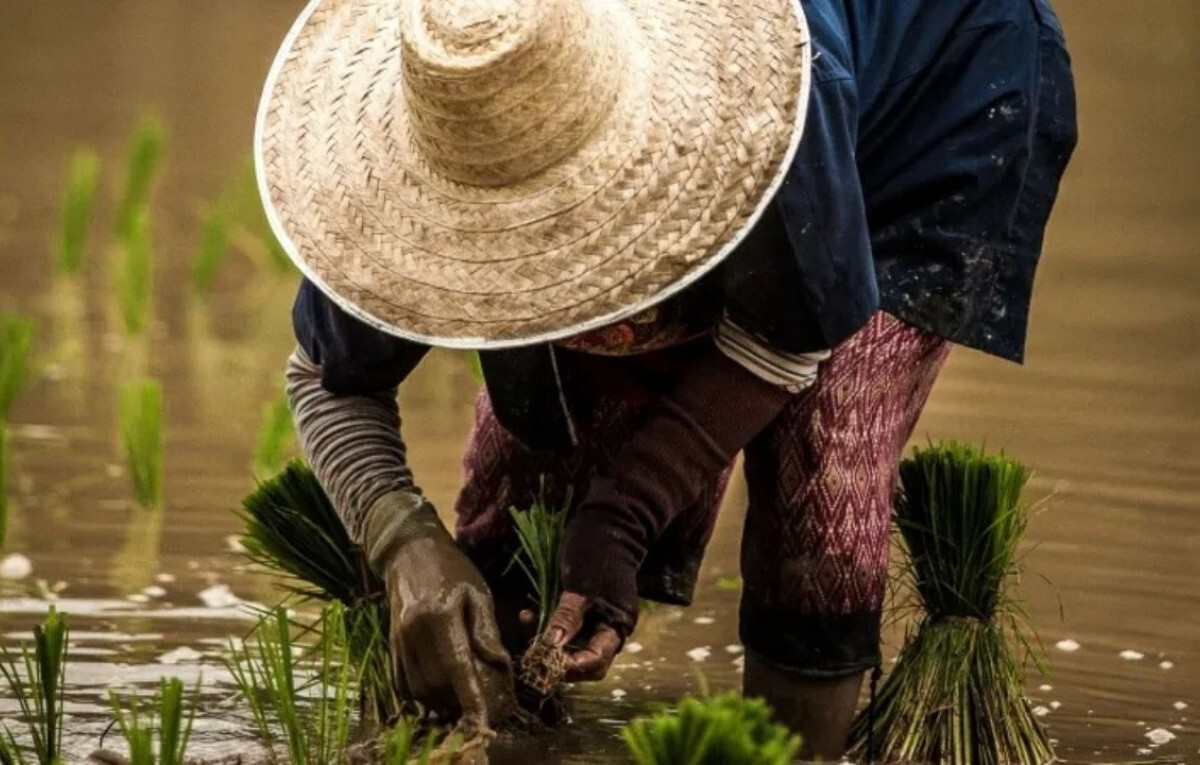
The Democratic Socialist Republic of Sri Lanka is set to significantly bolster its agricultural safety net in response to a volatile climate and increasing human-wildlife conflict. The Agricultural and Agrarian Insurance Board (AAIB) has announced the launch of a dedicated “Insurance Month,” commencing in February 2026, aimed at dramatically expanding the coverage available to the nation’s farming community.
Sri Lankan agriculture has long been at the mercy of the elements. However, recent years have seen an intensification of weather-related shocks, including prolonged droughts and flash flooding. Perhaps more unique to the region is the escalating threat posed by wild elephants, whose encroachment into farmlands as a result of habitat loss has caused devastating financial losses for rural families.
The new AAIB initiative is designed to be a comprehensive shield. Under this programme, protection is not merely limited to weather events but extends to:
Climate Risks: Drought, excessive rainfall, and floods.
Environmental Hazards: Wild elephant incursions and accidental fires.
Biological Threats: Insect infestations, exotic pests, and crop diseases.
In an effort to ensure the scheme remains accessible to smallholder farmers, the AAIB has introduced a structured premium system. By pegging premiums at a modest 7% of the insured value, the board aims to incentivise participation among those who previously viewed insurance as a luxury.
The following table outlines the coverage and premium costs for key staple and cash crops under the new 2026 guidelines:
| Crop Category | Max Compensation (per acre) | Premium (7% per acre) | Equivalent in LKR |
|---|---|---|---|
| Grains & Pulses (Cowpea, Mung Bean, Millet) | $192 | $13.44 | LKR 60,000 / 4,200 |
| Tubers & Vegetables (Sweet Potato, Cassava) | $320 | $22.40 | LKR 100,000 / 7,000 |
| High-Value Staples (Paddy, Maize, Onions) | Case-by-case | 7% of value | Variable |
(Note: Exchange rate calculated at $1.00 = LKR 310.98)
This expansion is viewed by economists as a vital step toward national food security. By stabilising farm incomes against unpredictable shocks, the government hopes to prevent a mass exodus of labour from the agricultural sector. As farmers gain the confidence that a single herd of elephants or a delayed monsoon will not lead to total bankruptcy, they are more likely to invest in modern farming techniques and higher-yield seeds.
The “Insurance Month” will feature a series of regional workshops and mobile registration units to ensure that even the most remote agrarian communities in the North and East can access these vital financial tools.



Comments