Sunday, 5th April 2026

Khabor Wala Desk
Published: 22nd July 2025, 2:20 PM
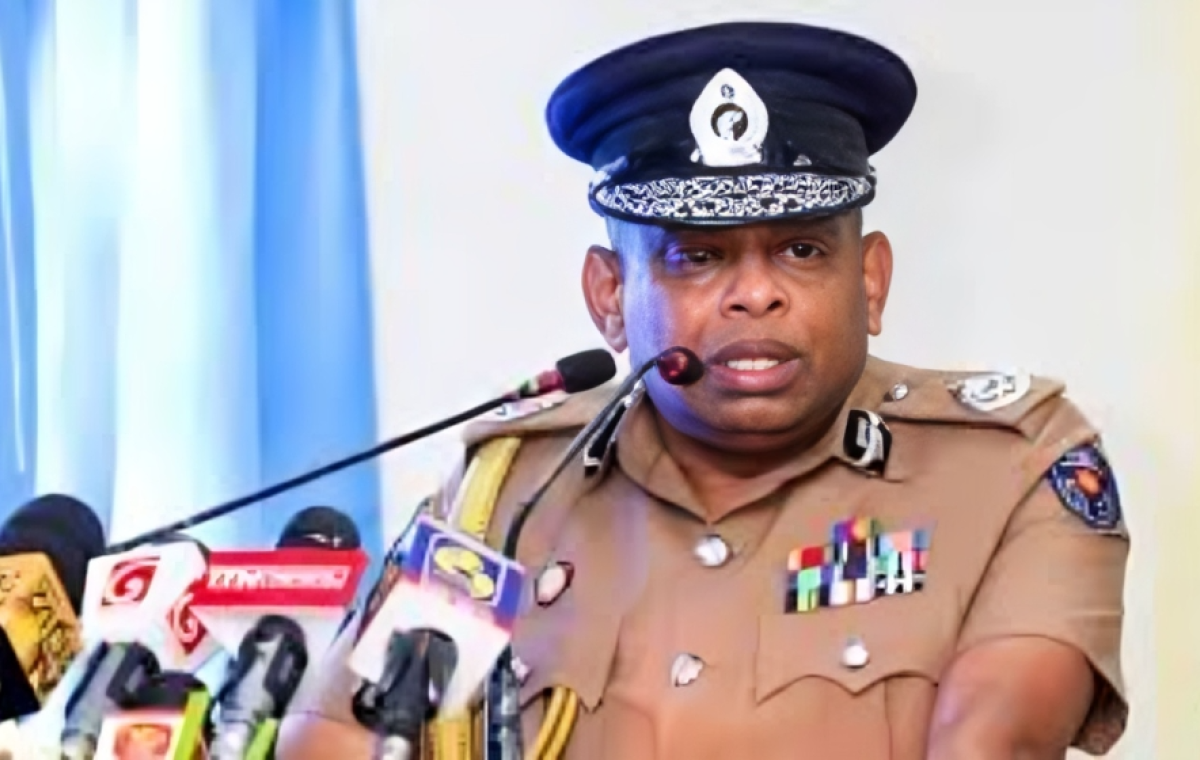
Sri Lanka’s Inspector-General of Police, Deshabandu Tennakoon, is set to be dismissed after a parliamentary impeachment hearing found him guilty of leading a criminal network. This move will make Tennakoon the first police chief in Sri Lanka’s history to be impeached after being deemed unfit to lead the country’s 85,000-strong police force.
Impeachment Findings
The impeachment process was spearheaded by a three-member committee appointed by Sri Lanka’s Parliament. The committee’s findings were unanimous, stating that Tennakoon was guilty of the serious allegations against him. Speaker Jagath Wickramaratne announced the committee’s findings on Tuesday, describing the event as a historic moment for the country’s constitutional journey.
Wickramaratne stated:
“This marks a historic moment in our constitutional journey, the first time in the history that such a committee has submitted its findings recommending the removal of an Inspector General of Police.”
Following the committee’s recommendation, an impeachment vote will be scheduled in Sri Lanka’s 225-member Parliament, where President Anura Kumara Dissanayake’s government holds a two-thirds majority. The vote is widely expected to pass, leading to Tennakoon’s removal from office.
Allegations and Controversies
Tennakoon’s tenure as police chief, which began in November 2023, has been plagued by multiple controversies. Despite Sri Lanka’s highest court ruling that Tennakoon had tortured a suspect by rubbing menthol balm on the victim’s genitals, he was appointed to the position. The court’s ruling cast doubt on his suitability to hold the post, but he was still given the responsibility of leading the national police force.
Further allegations were brought against Tennakoon in 2023, where he was accused of authorising a botched raid in the coastal resort town of Weligama. The raid led to a gun battle between rival police units and resulted in the death of an officer.
In July 2024, the country’s apex court suspended Tennakoon, pending the outcome of a separate case that questioned the legality of his appointment by former President Ranil Wickremesinghe.
Additionally, a state prosecutor testified earlier this year that Tennakoon was the “head of a criminal network”, which has contributed to the growing calls for his removal.
Recent Developments
The move to dismiss Tennakoon follows the firing of Senior Deputy Inspector General Nilantha Jayawardena, the second-highest-ranking officer in the police force. Jayawardena was dismissed for negligence that led to the 2019 Easter Sunday bombings, one of the deadliest terrorist attacks in Sri Lanka’s history. The bombings, which killed 279 people, were a devastating blow to the country and raised serious questions about the effectiveness of the police force and its leadership.
Timeline of Key Events
Date |
Event |
November 2023 |
Tennakoon appointed as Police Chief, despite prior allegations. |
2023 |
Tennakoon accused of authorising a failed police raid in Weligama. |
July 2024 |
Supreme Court suspends Tennakoon pending investigation into his appointment. |
2024 |
State prosecutor claims Tennakoon is the head of a criminal network. |
Recent Days |
National Police Commission sacks Senior Deputy IG Nilantha Jayawardena. |
Political Implications
Tennakoon’s dismissal, if it goes through, will have serious political ramifications. The impeachment process highlights the growing tensions within Sri Lanka’s law enforcement and the government’s desire to restore public trust in the police. It also raises questions about the accountability of the police force, especially after multiple high-profile incidents under Tennakoon’s leadership.
The removal of two senior police officials in such quick succession demonstrates the government’s intent to address longstanding issues within the force. However, it also underscores the need for wider police reforms in the country, particularly after the Easter Sunday tragedy and the controversial handling of Tennakoon’s appointment.
Sri Lanka’s decision to potentially dismiss Inspector-General Deshabandu Tennakoon marks a significant moment in the country’s law enforcement history. The impeachment process serves as a stark reminder of the need for accountability within public institutions and will likely have far-reaching consequences for the future of Sri Lanka’s police force.
As the impeachment vote nears, the political and public implications will continue to unfold, particularly as the government seeks to regain the trust of the Sri Lankan people following years of criticism and unrest


Comments