Sunday, 5th April 2026

Khabor Wala Desk
Published: 29th July 2025, 2:20 PM
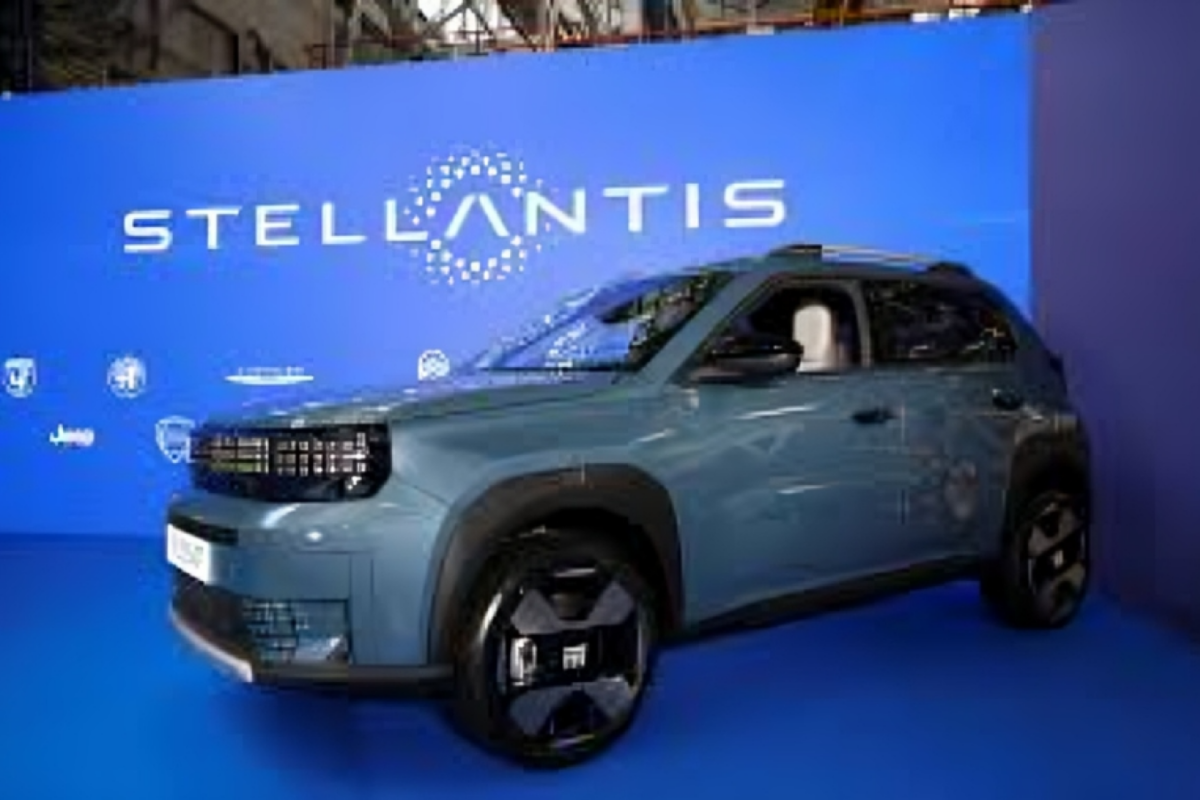
Stellantis, the multinational automotive group behind Jeep, Peugeot, Citroën, and Fiat, announced on Tuesday that it anticipates a rebound in sales revenue and profitability in the second half of 2025, despite suffering a substantial financial blow from US tariffs in the first half of the year.
The company confirmed a €2.3 billion net loss for the first six months, largely attributed to sluggish sales in North America and a €1.5 billion hit from 25% US import tariffs, a figure that includes €300 million incurred in H1 alone.
| Financial Indicators | First Half 2025 |
| Net Loss | €2.3 billion |
| US Tariff Impact (Total Estimated 2025) | €1.5 billion |
| US Tariff Cost in H1 | €300 million |
| Previous Target Margin | Double-digit |
| Current Operating Margin | 0.7% |
| Forecasted H2 Margin | Low single digits |
Newly appointed CEO Antonio Filosa, who took the reins in June following the departure of Carlos Tavares, struck a cautiously optimistic tone. He cited “gradual improvement” in sales volumes and revenues on a sequential basis, despite ongoing economic pressures and policy uncertainties.
Filosa has already initiated sweeping changes:
One notable factor bolstering Stellantis’s future outlook is the recent US legislative shift, which removed penalties for not meeting Corporate Average Fuel Economy (CAFE) targets. This change enables the group to reintroduce high-emission vehicles such as pickup trucks and muscle cars — models previously phased out due to stringent fuel-efficiency rules.
In addition, the company is planning a “product wave” of 10 new models in 2025, intended to revitalise global sales.
Filosa emphasised the importance of adapting quickly:
“We are focused on strong execution and portfolio re-alignment to weather the external headwinds and restore margin resilience.”
However, investor confidence remains shaky. On Tuesday, Stellantis shares dropped 3.7% on the Paris Stock Exchange, even as the broader market rose by 0.5%. Year-to-date, the automaker’s stock has lost 37%, and it is down 70% from its peak in early 2024.
Despite the turbulence, Stellantis sees itself as having “turned a corner”, positioning the second half of the year as a period of stabilisation and recovery driven by product refreshes, market realignments, and regulatory tailwinds.



Comments