Monday, 6th April 2026

Khabor Wala Desk
Published: 28th February 2026, 7:51 AM
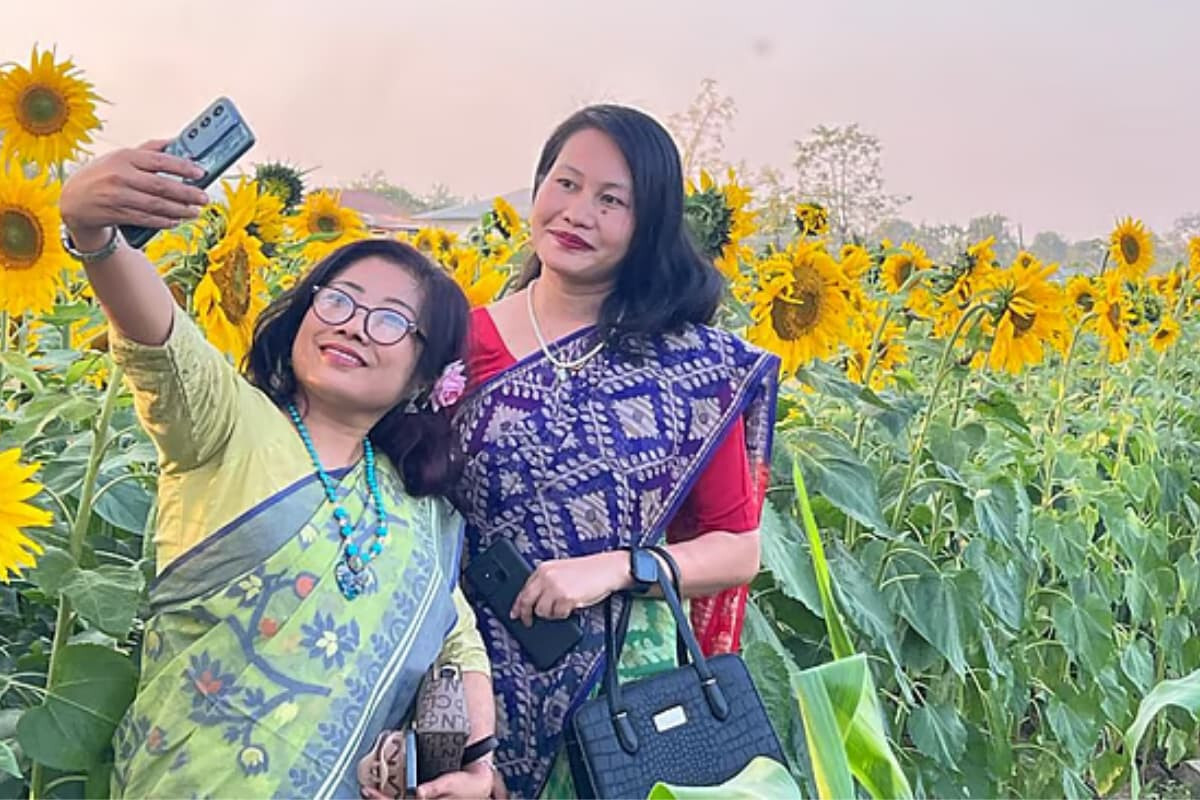
Along the banks of the Chengi River in Khagrachhari, an enchanting spectacle unfolds each year. On one side, verdant hills rise gently; on the other, vast fields of sunflowers sway in the breeze, attracting visitors of all ages. Tourists come not only to admire the natural beauty but also to capture photographs and enjoy the lively ambience.
Recently, two local farmers—Aprei Marma and Niruttam Chakma—have transformed their sunflower gardens into profitable tourist attractions by introducing an entry fee.
Initially, the influx of visitors created challenges for the farmers. Reports of flowers being plucked and plants being damaged were frequent. To address this, the farmers instituted a modest entrance fee. Aprei Marma explained, “At first, visitors were taking flowers and breaking plants. One day, frustrated, I set an entry fee of 20 taka. Since then, people have been paying voluntarily, and many even purchase flowers.”
This strategy has helped preserve the gardens while generating additional income. Niruttam Chakma reported earning 10,000 taka from ticket sales last year, with expectations of higher revenue this season due to increasing visitor numbers. Aprei Marma has plans to cultivate sunflowers on an additional acre of land next year.
| Farmer Name | Location | Land Area | Entry Fee (per visitor) | Additional Income (Ticket Sales) | Flower Price (per stem) |
|---|---|---|---|---|---|
| Aprei Marma | Bottoli, Chengi Riverbank | 20 percent | 20 taka | Expected increase this year | 150 taka |
| Niruttam Chakma | Khabongpuria, Chengi Riverbank | 40 sotok | 50 taka | 10,000 taka (last year) | — |
Visitors express delight at the immersive experience. Roksana Akter from Matiranga Upazila said, “I had long wished to see a sunflower garden. Paying 20 taka for entry was worthwhile. Seeing such a large field up close is truly delightful.” Anuprava Chakma, a student at Khagrachhari Government Women’s College, noted, “Being near the college, I visit whenever I can. Even paying for entry, the photographs and time spent in conversation make it worthwhile.”
According to the Khagrachhari District Agricultural Extension Office, 40 hectares of land received incentives for sunflower cultivation last year, with 37 hectares supported this year. While many farmers grow sunflowers, large-scale cultivation along riverbanks and hills is rare. This explains the high visitor turnout at the gardens of Aprei and Niruttam Marma.
District agricultural officer Mukta Chakma highlighted the soil’s suitability for sunflowers, a valuable oilseed crop. “We are providing training and support to farmers. Sunflower oil production can help reduce soybean oil imports,” she noted.
Today, sunflower gardens along the Chengi River have become more than just agricultural plots—they are vibrant hubs for local tourism and a significant source of income for the community.




Comments