Sunday, 5th April 2026

Khabor Wala Desk
Published: 28th July 2025, 5:14 PM
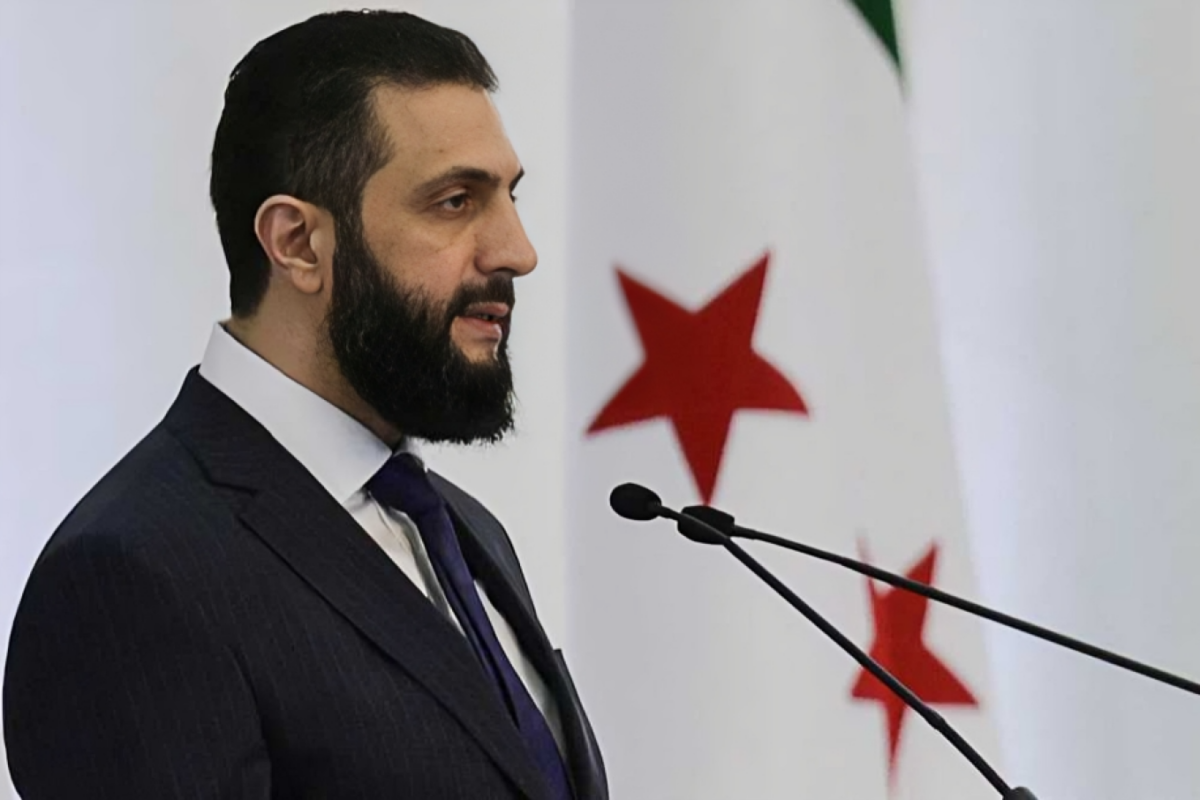
Syrian authorities have officially scheduled the selection of a new transitional parliament for mid-September, marking a pivotal step in the post-Assad political landscape. According to the plan, local electoral bodies will elect two-thirds of the new lawmakers, while the interim president will appoint the remaining third.
Background: Post-Assad Transition
Following the ousting of Bashar al-Assad in December, after nearly 14 years of civil war, Syria entered a transitional phase under the leadership of President Ahmed al-Sharaa. One of his first acts was to dissolve the former rubber-stamp legislature and implement a temporary constitutional declaration outlining a five-year transitional roadmap.
In June, a presidential decree led to the formation of a 10-member supervisory committee, tasked with establishing local electoral bodies that would oversee the legislative selection process.
Parliamentary Framework and Timeline
According to the Syrian Arab News Agency (SANA), committee chair Mohammed Taha al-Ahmad recently met with President Sharaa to present the final plan for parliamentary selection. The new People’s Assembly will consist of 210 seats, distributed as follows:
| Seat Distribution | Number of Seats |
| Elected by local bodies | 140 |
| Appointed by president | 70 |
| Total | 210 |
Al-Ahmad stated that the election process is expected to occur between 15–20 September. He also committed to ensuring female representation in the new parliament.
Election Process and Assembly Mandate
The timeline outlined by SANA includes the following stages:
Under the constitutional declaration adopted in March, the transitional parliament will hold full legislative authority until a permanent constitution is drafted and formal elections are held.
Concerns and Criticisms
Although seen by some as a step forward, critics have raised concerns about the concentration of power in President Sharaa’s hands. Detractors argue that the transitional roadmap lacks provisions for ethnic and religious representation, a significant omission in a country marked by diverse demographics.
Furthermore, sporadic violence involving government forces and allied militias has raised security concerns, especially for minority communities, calling into question the regime’s ability to ensure nationwide peace and inclusivity during the transition.
Summary Table
| Event | Details |
| Transition Leader | President Ahmed al-Sharaa |
| Old Legislature | Dissolved post-Assad |
| Parliamentary Election Dates | 15–20 September |
| Total Seats | 210 |
| Seats by Election | 140 (local electoral bodies) |
| Seats by Appointment | 70 (president) |
| Assembly Mandate | 36 months, renewable |
| Legislative Authority | Until permanent constitution and full elections |
| Oversight Committee Chair | Mohammed Taha al-Ahmad |
| Gender Inclusion | Women’s representation to be ensured |
| Criticisms | Power centralisation, lack of diversity, ongoing instability |
This parliamentary formation will be a critical test of the interim government’s legitimacy, its commitment to democratic norms, and its capacity to rebuild national trust in the wake of prolonged conflict

Comments