Sunday, 5th April 2026

Khabor Wala Desk
Published: 7th March 2025, 3:31 AM
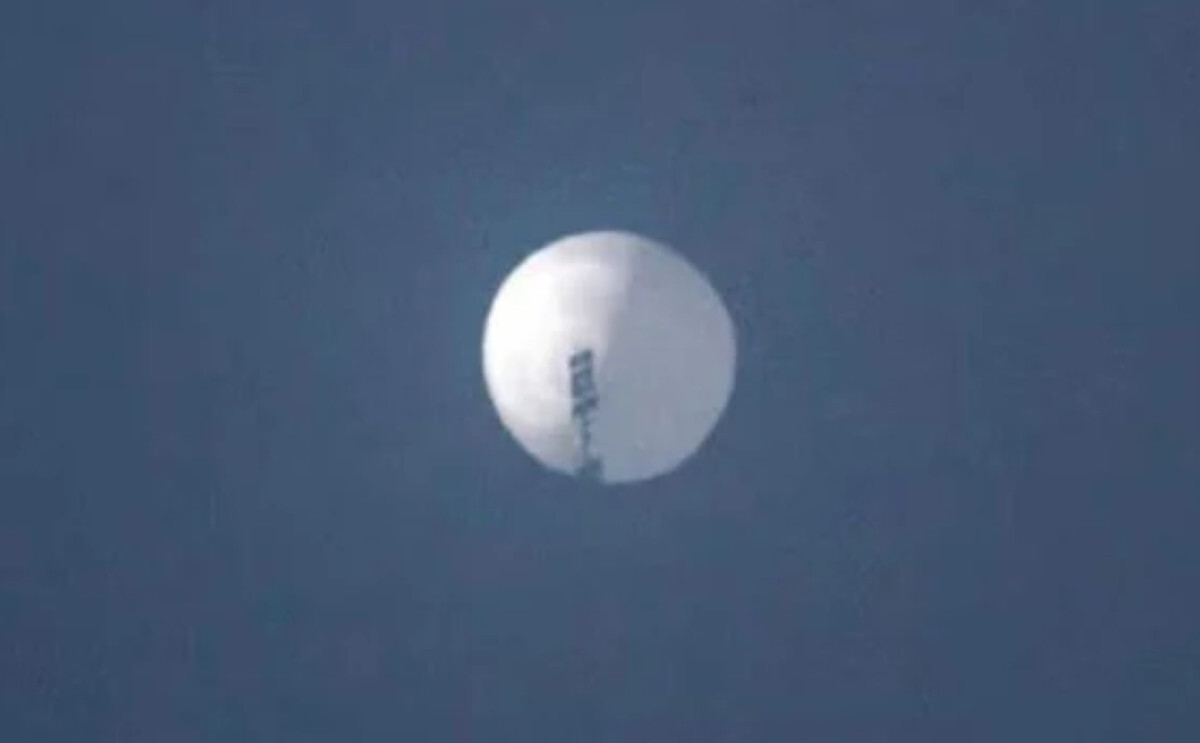
TAIPEI, 7 March 2025 (BSS/AFP) – Taiwan’s Ministry of Defence reported on Friday that 11 Chinese balloons were detected near the island within a 24-hour period.
According to the ministry’s daily report, the balloons were spotted alongside five Chinese aircraft and six warships in the 24 hours leading up to 6:00 am (2200 GMT on Thursday). This marks the highest number of balloons recorded, based on an AFP tally of data dating back to December 2023.
Rising Tensions and Military Presence
China considers self-governing Taiwan as part of its territory and has repeatedly threatened to use force to bring the island under its control. In recent years, Beijing has ramped up military pressure, increasing the deployment of fighter jets, naval vessels, and other surveillance measures around Taiwan—a claim firmly rejected by Taipei.
The surge in balloon activity follows a significant increase in military presence last week, when Taiwan reported 45 Chinese aircraft near the island in a single day—the highest recorded this year. Additionally, Taipei recently condemned Beijing for conducting “live-fire” drills off the island’s southern coast.
China responded by dismissing Taiwan’s concerns, labelling them as “pure hype” and insisting that the military exercises were part of routine training.
Strategic Concerns and US Involvement
The growing frequency of Chinese military activities around Taiwan has drawn concern from international defence experts. Last month, the top US military commander in the Indo-Pacific warned that such exercises could serve as a cover for a real military operation against Taiwan.
China’s defence ministry reiterated its stance, stating that Beijing has not ruled out the use of force to achieve reunification. The situation places Taiwan at the centre of an ongoing geopolitical flashpoint, with the United States—Taiwan’s most significant ally and arms supplier—playing a key role in regional security dynamics.
While the US is legally committed to providing Taiwan with defensive weapons, Washington has long maintained a policy of “strategic ambiguity,” leaving open the question of whether it would intervene militarily in the event of a Chinese attack. Despite strong bipartisan support in the US Congress for Taiwan, there are concerns over whether President Donald Trump would prioritise Taiwan’s defence in the event of conflict.
Taiwan’s Confidence in US Support
Speaking at a recent security forum, Taiwan’s National Security Council chief, Joseph Wu, reaffirmed his confidence in US support. He highlighted Washington’s role in supplying defence equipment, training Taiwanese forces, and enhancing Taiwan’s international standing.
“I believe the Trump administration’s support for Taiwan will remain very strong,” Wu stated at the HFX Taipei Forum.
“With continued US backing, we are more confident in our ability to defend ourselves,” he added.
A Growing Security Challenge
As tensions escalate, Taiwan continues to strengthen its defence capabilities, with increased military exercises and cooperation with allies. Analysts warn that China’s military build-up and assertive actions in the Taiwan Strait could trigger a broader regional conflict, drawing in other powers such as Japan and Australia.
With geopolitical stakes rising, the coming months will be critical in determining whether diplomatic efforts can ease tensions or if the situation will spiral towards a more dangerous confrontation.




Comments