Sunday, 5th April 2026

Khabor Wala Desk
Published: 20th January 2026, 11:36 PM
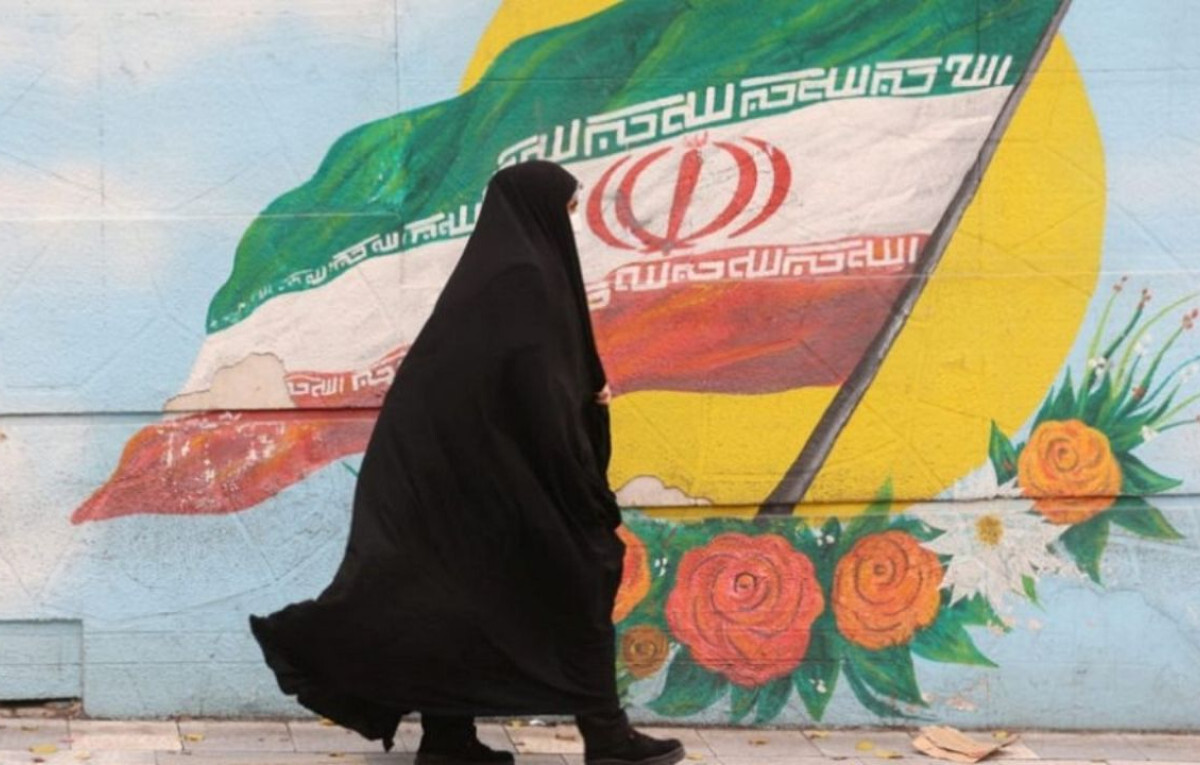
The Iranian government has signalled a significant and uncompromising shift in its handling of the nationwide anti-government unrest, officially initiating the “punishment phase” for those detained during recent demonstrations. In a chilling directive issued on Monday, 19 January 2026, the nation’s highest authorities warned that “rioters” would face the full force of the law, whilst simultaneously enforcing a near-total internet blackout to stifle dissent and obscure the scale of the state’s response.
Gholam-Hossein Mohseni-Ejei, the Chief Justice of Iran, confirmed the judiciary’s new mandate via a post on the social media platform X. He asserted that the primary work of the courts has now begun in earnest, stating that granting leniency to those who are “unworthy of mercy” would be an “affront to justice.”
This hardline stance followed a high-level summit between Chief Justice Ejei, President Masoud Pezeshkian, and Parliament Speaker Mohammad Bagher Ghalibaf. In a rare joint communiqué, the triumvirate of leaders categorised the organisers of the unrest as “murderers and terrorist agitators.” However, the state has left a narrow window for “Islamic sympathy” regarding those deemed to have been “misled” by foreign influence rather than being intentional agents of chaos.
| Category | Status / Estimated Data | Reported Context |
|---|---|---|
| Start of Unrest | 28 December 2025 | Initiated by Tehran shopkeepers. |
| Estimated Arrests | 10,000+ individuals | Daily reports of new detainees. |
| Estimated Fatalities | “Several thousand” | Ascribed to “foreign agents” by state. |
| Connectivity | Near-total Blackout | Intermittent partial restoration on Sunday. |
| Official Allegations | Foreign Provocation | Points to US and Israeli involvement. |
| Judicial Status | Prosecution Phase | Punishment proceedings commenced. |
Consistent with the regime’s long-standing narrative, Iranian authorities have attributed the civil disobedience to the machinations of the United States and Israel. The government claims these “enemy states” have funnelled both weaponry and financial incentives to provocateurs within the country.
Supreme Leader Ayatollah Ali Khamenei addressed the situation on Saturday, acknowledging that “several thousand” people have been killed. However, he emphatically denied state culpability, asserting that the bloodshed was the work of foreign-linked operatives and “terrorist cells” rather than the Iranian security forces.
The escalation in judicial rhetoric coincides with a drastic tightening of information control. Although the internet was briefly and partially restored on Sunday, it was swiftly severed for the majority of the populace by Monday morning. This digital isolation has made it increasingly difficult for human rights organisations to verify the welfare of the estimated 10,000 citizens currently in state custody.
The protests, which began in late December as a localised economic strike by traders in downtown Tehran, have since mutated into a broad challenge to the clerical establishment. With the government now moving from containment to active prosecution, international observers fear a wave of summary trials and harsh sentencing in the weeks to come.
Comments