Monday, 6th April 2026

Khabor Wala Desk
Published: 16th February 2026, 12:13 AM
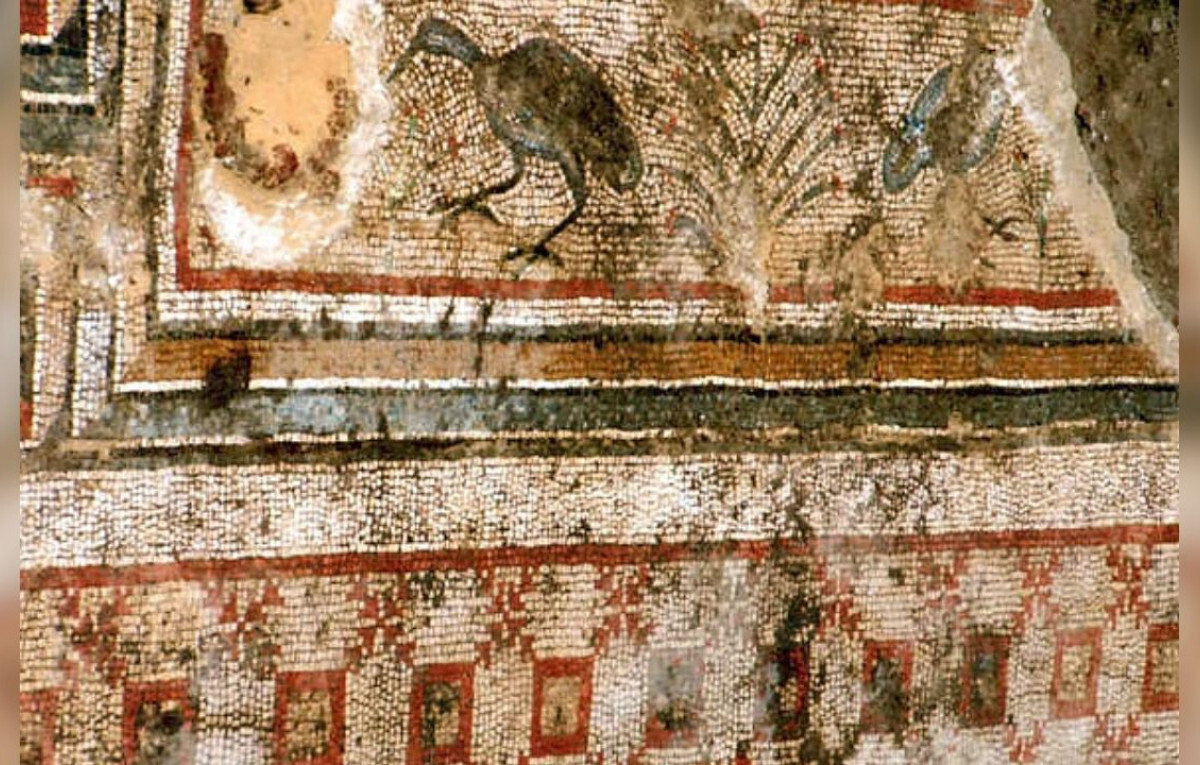
The Sinai Peninsula, a rugged expanse of desert and granite peaks bridging Africa and Asia, has long been a crucible of human history. Famed for its biblical associations and strategic significance, the region has now yielded a prehistoric treasure that rewrites our understanding of ancient nomadic life. Egypt’s Ministry of Tourism and Antiquities has officially announced the discovery of a sprawling archaeological site featuring rock art dating back approximately 10,000 years.
Located on the remote Umm Iraq plateau in South Sinai, the discovery centres around a natural rock formation stretching over 100 metres in length. This colossal limestone canvas contains a chronological tapestry of human expression, featuring engravings and paintings that span from the prehistoric era through to the early Islamic period.
According to Hisham El-Leithy, Secretary-General of the Supreme Council of Antiquities, the site functions as a “natural open-air museum.” The upper sections of the rock faces are adorned with vivid red ochre paintings depicting various animals and symbolic motifs, while the lower sections feature deeply etched engravings. These petroglyphs offer a rare glimpse into the socio-economic activities of ancient inhabitants, illustrating hunting scenes, livestock management, and tribal symbols.
The discovery is particularly notable for the domestic remains found within the rock shelters. Archaeologists uncovered ancient walls and communal hearths (fireplaces), suggesting that the site was not merely a ceremonial gallery but a long-term habitation zone for nomadic communities.
| Feature | Details | Period/Era |
|---|---|---|
| Site Location | Umm Iraq Plateau, Sinai | Prehistoric to Islamic |
| Structure Length | Approximately 100 Metres | N/A |
| Art Mediums | Red ochre pigments & deep engravings | 10,000 BCE – 7th Century CE |
| Primary Subjects | Animals, hunting scenes, domestic life | Neolithic & Bronze Age |
| Key Findings | Ancient hearths and stone enclosures | Sedentary & Nomadic use |
The Sinai Peninsula has a complex modern history, having been occupied by Israel during the 1967 Six-Day War before being returned to Egyptian sovereignty in 1982 under the Camp David Accords. Since then, Egypt has worked tirelessly to safeguard the peninsula’s heritage.
Egypt’s Minister of Tourism and Antiquities, Sherif Fathy, emphasised that this discovery is a monumental addition to the nation’s cultural wealth. The find aligns with a major government initiative currently underway in the nearby city of Saint Catherine. Cairo is investing heavily in the “Great Transfiguration” project, aimed at transforming this UNESCO World Heritage site into a global hub for spiritual and archaeological tourism.
By preserving these 10,000-year-old echoes of the past, Egypt hopes to provide a more comprehensive narrative of the civilizations that have traversed this storied land.




Comments