Sunday, 5th April 2026

Khabor Wala Desk
Published: 5th August 2025, 6:13 PM
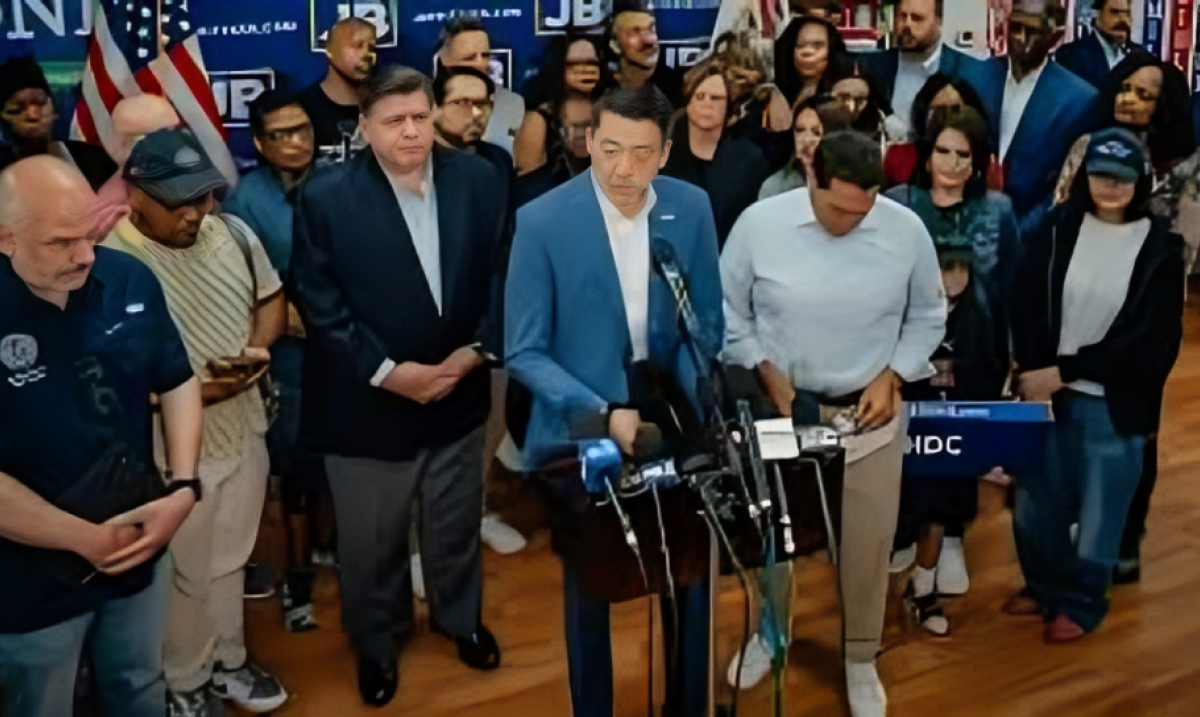
Dozens of Democratic lawmakers from the Texas legislature have fled the state in a dramatic political manoeuvre to block a controversial Republican-led redistricting proposal ahead of the 2026 midterm elections. The move, which has triggered threats of legal action and fines, is part of a high-stakes battle over control of congressional seats and, ultimately, the balance of power in Washington.
Context: The Redistricting Controversy
Texas Republican leaders, under pressure from former President Donald Trump, are seeking to redraw congressional district boundaries in a manner that would favour their party. The proposed redistricting aims to flip five Democratic seats to likely Republican wins — a tactic known as partisan gerrymandering, which, though legally permissible, is deeply contentious.
| Key Objective | To flip 5 Democrat-held seats in favour of Republicans |
| Method | Partisan gerrymandering |
| Target Outcome | Retain Republican control in the US House of Representatives |
| Timing | Ahead of the 2026 midterm elections |
In Texas, as in many U.S. states, state legislatures are responsible for drawing congressional maps, typically following the decennial census. However, this attempt at mid-decade redistricting has prompted widespread condemnation from Democrats, who view it as a brazen power grab.
Democratic Exodus: A Calculated Stand
Faced with being outnumbered in the legislature, Texas Democrats executed a dramatic walkout on Sunday, fleeing the state to Illinois, a Democratic stronghold, thereby denying the Texas House the quorum required to proceed with legislative business.
Statements from Lawmakers:
“This is not a decision we make lightly, but it is one we make with absolute moral clarity.”
“I think it shows how desperate they are.”
| Current Status | Fled to Illinois to avoid quorum |
| Potential Fine | $500 per day per absent lawmaker |
| Legal Threats | Possible expulsion from office if they don’t return by Monday 3:00 PM (2000 GMT) |
| Protective Response | Illinois Governor JB Pritzker pledged to “protect” the lawmakers |
Governor Abbott’s Response: Escalation and Pressure
Texas Governor Greg Abbott, who initiated the special legislative session, has threatened to expel absent lawmakers and imposed additional pressure by tying the redistricting vote to disaster relief funding following last month’s catastrophic floods in Texas, which claimed over 130 lives.
“These absences were premeditated for an illegitimate purpose… They amount to an abandonment or forfeiture of an elected state office,” — Greg Abbott
Democratic response to this tactic was scathing. Wu stated:
“The move by Abbott has turned the victims of a historic tragedy into political hostages… We’re not walking out on our responsibilities; we’re walking out on a rigged system.”
Wider Political Implications: The Domino Effect
The Texas redistricting controversy is having national reverberations, with other states now weighing similar or retaliatory moves.
Reactions Across the Country:
| State | Party in Power | Response to Texas |
| New York | Democratic | Governor Kathy Hochul vowed to counteract Texas by adjusting GOP districts |
| California | Democratic | Considering redrawing maps despite prior legal barriers to gerrymandering |
| Illinois | Democratic | Offered refuge and support to Texas Democratic lawmakers |
“This is a war. We are at war. That’s why the gloves are off. And I say, bring it on.” — Kathy Hochul, Governor of New York
The Bigger Picture: Control of Congress in 2026
All 435 seats in the U.S. House of Representatives are up for election in 2026. The Republicans currently hold a narrow majority — single digits — meaning that any shift in a handful of districts could tilt the balance of power.
| Next U.S. House Elections | November 2026 |
| Seats Up for Grabs | All 435 |
| Current Majority | Republican (by slim margin) |
| Key Strategy | Partisan redistricting in battleground states |
With advanced computer-assisted tools enabling more precise map manipulation, partisan gerrymandering has become more effective — and controversial — than ever before. While both Republican- and Democratic-led states have been accused of engaging in it, the conservative-leaning U.S. Supreme Court has ruled that only state courts can determine its legality for now.



Comments