Sunday, 5th April 2026

Khabor Wala Desk
Published: 28th January 2026, 2:45 PM
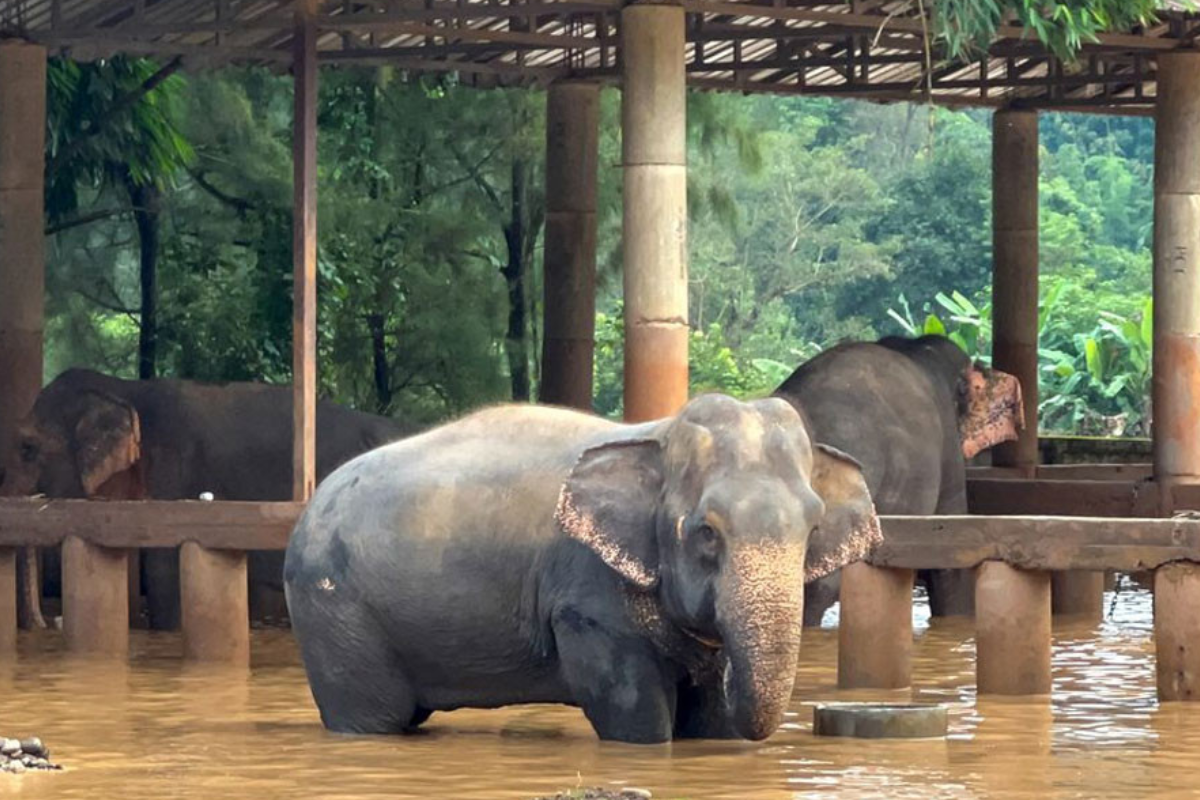
In a pioneering move, Thailand has begun using contraceptive vaccines to manage its wild elephant population for the first time. Officials from the country’s Department of National Parks, Wildlife and Plant Conservation confirmed the initiative on Wednesday.
Director Sukhi Bunsang stated that last Monday, three female elephants in Trat Province, located in the south-eastern part of the country, received the contraceptive injections. The primary aim of the programme is to regulate the rapidly growing elephant population in certain regions.
According to Bunsang, in five provinces in eastern Thailand, the annual birth rate among elephants has reached approximately eight per cent, compared with just three per cent in other areas. Without intervention, this surge could exacerbate human-elephant conflicts, particularly in agricultural zones where elephants often encroach upon farmland.
Veterinarians administered the vaccine using a dart gun, without the need for anaesthesia, ensuring minimal disruption to the animals’ natural behaviour. The three elephants currently receiving the vaccine are reported to be in good health and continue to move freely. Their blood will be monitored every six months to assess the vaccine’s effectiveness and ensure their wellbeing.
Thailand’s wild elephant population has more than doubled in less than a decade, rising from 334 in 2015 to nearly 800 today. In addition to these wild populations, several thousand elephants remain in captivity, either as part of conservation programmes or private ownership. Since 2012, human-elephant conflicts have resulted in the deaths of roughly 200 people and over a hundred elephants nationwide, highlighting the urgent need for population management strategies.
The current programme builds on successful trials conducted two years ago in Chiang Mai Province, where seven captive elephants were treated with the contraceptive vaccine with positive results. Looking ahead, the Department plans to extend the programme before the onset of the monsoon season in May, administering the vaccine to a further 15 elephants across various provinces.
The initiative marks a significant step in balancing wildlife conservation with human safety and environmental sustainability. Officials hope that regulated population control will reduce conflict, safeguard agricultural lands, and ensure long-term wellbeing for Thailand’s elephant population.
Elephant Contraceptive Programme Overview:
| Region/Province | Number of Elephants Treated | Status | Objective | Notes |
|---|---|---|---|---|
| Trat (South-East) | 3 | Wild, healthy | Population control | Dart gun, no anaesthesia |
| Chiang Mai (Trial) | 7 | Captive, monitored | Efficacy testing | Successful trial |
| Multiple Provinces | 15 (upcoming in May) | Wild | Expand population control | Pre-monsoon administration |
Experts believe that the contraceptive vaccine programme offers a humane, scientifically informed method to manage elephant numbers, reduce human-wildlife conflict, and promote a sustainable coexistence between people and elephants.




Comments