Sunday, 5th April 2026

Khabor Wala Desk
Published: 31st July 2025, 6:41 PM
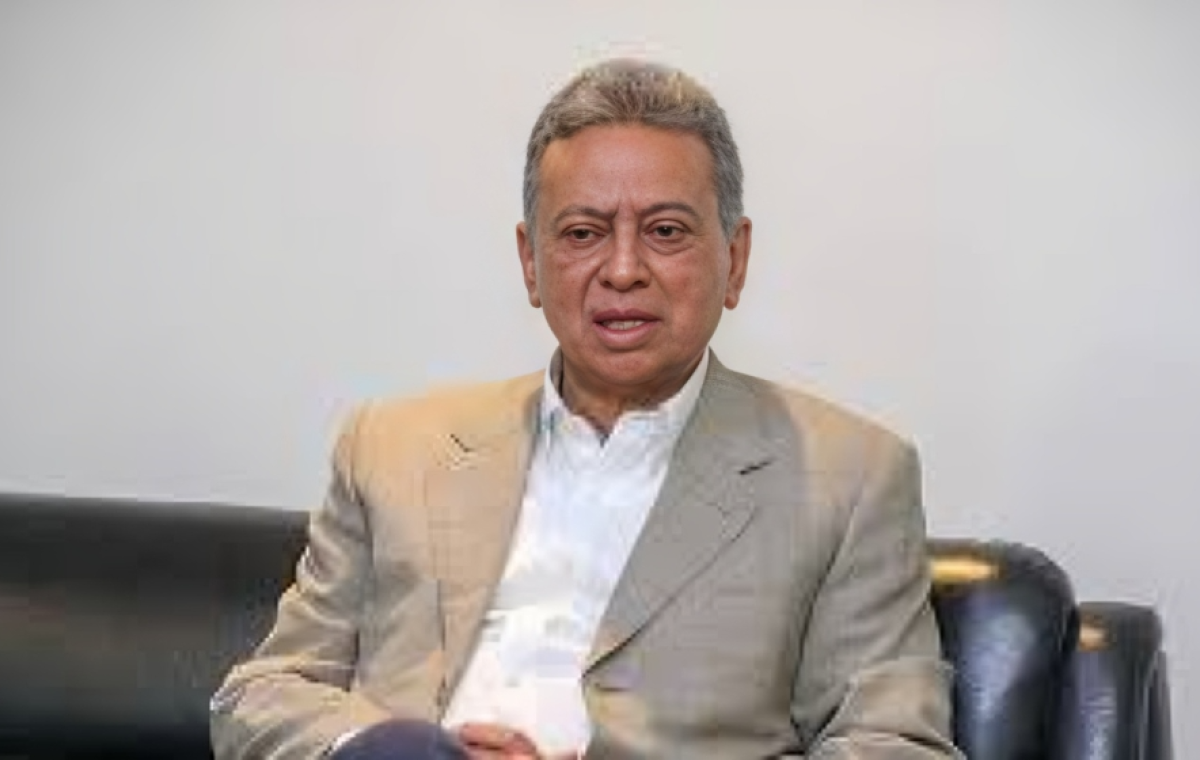
Amir Khasru Criticises Government for Economic Paralysis and Autocratic Control
Amir Khasru Mahmud Chowdhury, a Standing Committee Member of the Bangladesh Nationalist Party (BNP), has strongly criticised the present ruling regime, stating that it neither works in the interest of the people nor of the business community.
Speaking as the chief guest at a discussion titled “Political Commitment to Economic Recovery and Development in Rangpur Division”, held at the Rangpur Chamber of Commerce auditorium on Thursday, 31 July, Khasru accused the ruling party of holding both the administration and economy hostage to preserve their grip on power. He urged national unity to resist what he termed as a state of “bad governance”.
Government’s Illegitimacy Leading to Economic Stagnation
Khasru warned that the country’s economic system has become paralysed under an unelected regime, saying:
“Due to the absence of a legitimate government, economic activities are stagnating. Investor confidence is dwindling, and economic momentum has halted. The only way to reverse this is through a free, fair, and acceptable general election—and that must happen without delay.”
Optimism Following Fall of Autocratic Leadership
Khasru expressed hope about the possibility of real change, stating:
“The departure of autocrat Hasina has brought a significant shift in public sentiment. People no longer fall for empty promises. They now demand participation, results, and tangible reforms. BNP acknowledges this reality and is preparing future plans accordingly—where the economy and politics will support each other in harmony.”
Inclusive Economic Vision and Regional Development Priorities
Khasru emphasised that no singular group should have monopoly over the economy in future Bangladesh:
“We aim to build a system where every citizen has the opportunity to participate in economic activities. In particular, we see enormous potential in the ICT sector of the northern region, which can create employment for hundreds of thousands of young men and women. This is a key priority for BNP.”
BNP’s Key Economic Commitment for Rangpur Region:
| Sector | Vision/Commitment |
| ICT Industry | Develop ICT clusters to employ lakhs of youth |
| Economic Equity | Prevent monopolisation of national wealth by elite groups |
| Participation | Enable inclusive citizen participation in all sectors |
Broader Participation and Regional Concerns Raised
The event was attended by prominent leaders from both BNP and local business communities. speakers included:
| Name | Designation |
| Principal Asadul Habib Dulu | BNP Central Divisional Organisational Secretary |
| Emdadul Hossain | President, Rangpur Chamber of Commerce & Industry |
| Saiful Islam | Convener, Rangpur District BNP |
| Anisur Rahman Laku | Member Secretary, Rangpur District BNP |
| Women’s Chamber Representatives | Present and Participating |
| Chamber Leaders from 8 Districts | Engaged in Discussion |
Rangpur’s Underdevelopment and the Call for Business-Friendly Policy
Speakers highlighted that Rangpur Division remains economically backward, despite its inherent potential. They emphasised that only a government with political goodwill and a pro-business environment can unlock this potential.
“A government that exists without the people’s mandate can never guarantee national development,” noted several chamber leaders.
BNP’s Pledge to Business and Democracy
At the end of the session, BNP leaders reaffirmed their commitment to:
This collaborative approach, they claim, will serve as the foundation for a new democratic and developmental era in the country.


Comments