Sunday, 5th April 2026

Khabor Wala Desk
Published: 22nd July 2025, 12:52 PM
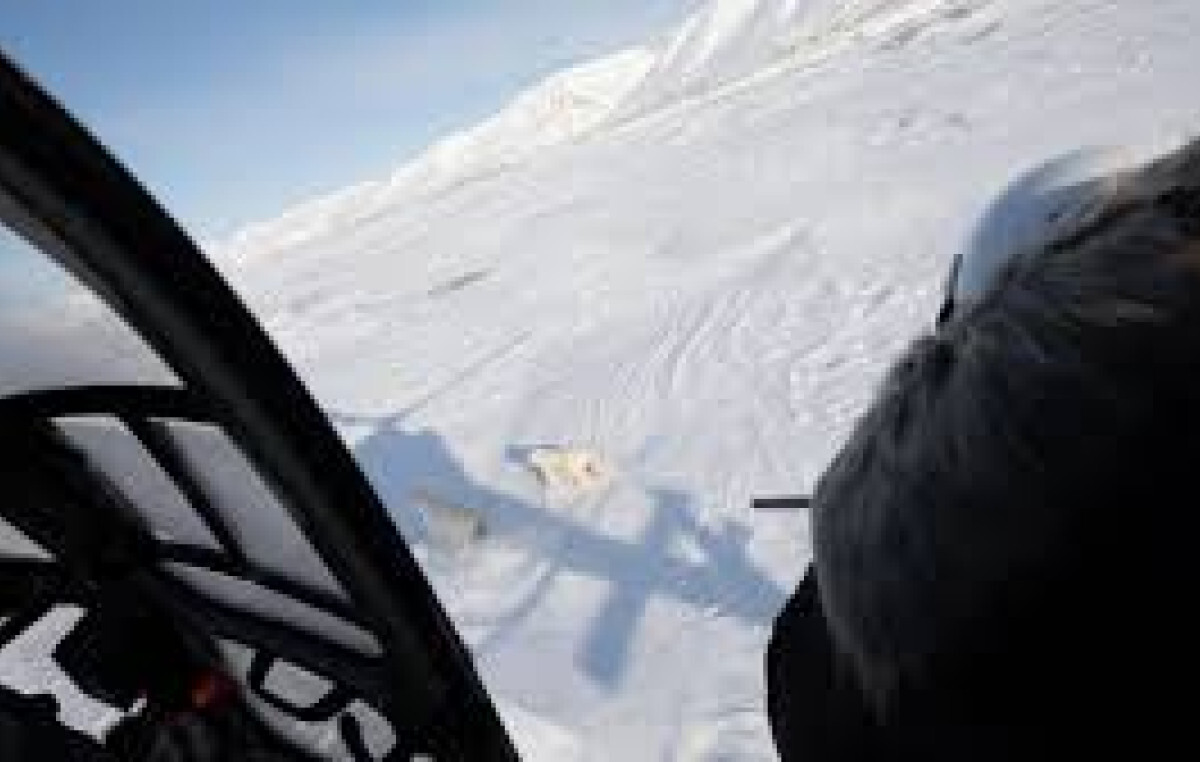
Collecting a blood sample from a polar bear, one of the most formidable predators on Earth, on a drifting Arctic ice floe is no small feat. The process is fraught with risks, requiring precise coordination, skill, and a deep understanding of these majestic yet dangerous animals.
To begin, the bear must first be located. Then, a sedative dart is fired from a helicopter, allowing the vet to approach the bear on foot and fit it with a GPS collar. In addition to this, blood must be drawn, and a careful incision is made into the animal’s fat layer—all before the sedative wears off. This work is undertaken in sub-zero conditions, with wind chills plummeting to a bitter -30°C.
For the past four decades, scientists from the Norwegian Polar Institute (NPI) have been tracking the health and movements of polar bears in the Svalbard archipelago, located halfway between Norway and the North Pole. With global warming affecting the Arctic at a rate three to four times faster than in other parts of the world, the NPI’s research has taken on even greater significance.
This year, however, a team aboard the Norwegian icebreaker Kronprins Haakon is using innovative methods to study these apex predators. They are the first to track “forever chemicals,” such as PFAS (per- and polyfluoroalkyl substances), which make their way to the Arctic from distant parts of the globe, eventually accumulating in the bears’ bodies.
Delicate Surgery on the Ice
A typical operation to tag a polar bear begins with the scientific team preparing for a dramatic encounter. Standing with one foot on the helicopter’s landing skid, vet Rolf Arne Olberg readies his rifle as a polar bear sprints away from the approaching aircraft. The sedative dart is fired, and the animal collapses gently into a snowdrift.
Olberg uses binoculars to check if the dart has been properly aimed at the bear’s muscle. If not, the animal might wake up prematurely, making the procedure far more dangerous.
“We fly in quickly,” said Olberg, “and try to minimise the time we spend close to the bear, so we chase it as little as possible.”
After waiting five to ten minutes to ensure the bear is fully sedated, the team lands swiftly to carry out their task. Working quickly and with precision, they fit the bear with a GPS collar and replace its battery if it already wears one.
Olberg then makes a small, controlled incision in the bear’s skin, inserting a heart monitor between its fat layer and muscle tissue. This device helps track the bear’s body temperature and heart rate year-round.
Marie-Anne Blanchet, a researcher at NPI, explained: “This data allows us to measure the energy consumption of female bears, particularly as their environment changes.”
Changing Diets: Eating Seaweed?
One of the most startling findings from these studies is that polar bears’ diets are evolving. The retreat of the Arctic ice is forcing the bears to adjust their food sources. Historically, the primary food of polar bears has been seals, but recent research shows that more and more polar bears are consuming food from the land.
Jon Aars, lead scientist of NPI’s polar bear programme, explained: “Despite spending less time on the ice and hunting fewer seals, the bears are still managing to maintain good health. This is likely because, during the short hunting season, they can consume up to 70% of the food they need for the entire year.”
However, Aars cautioned that if global warming continues to reduce the ice’s extent, further hindrances to their hunting could lead to greater challenges for polar bears.
“There are noticeable changes in their behaviour,” he noted. “But so far, they are faring better than we expected. Still, there is a limit, and the future is uncertain.”
Positive Signs: The Success of Anti-Pollution Laws
In a surprising twist, recent data points to a potential decrease in pollutant levels within polar bears. Finnish ecotoxicologist Heli Routti, who has been part of the NPI’s team for 15 years, has observed a reduction in pollutant levels in bears that have been recaptured multiple times over the years.
“This reduction reflects the success of regulatory measures enacted over the last few decades,” said Routti.
NPI scientists contribute to the Arctic Monitoring and Assessment Programme (AMAP), which has been instrumental in influencing global regulations on pollutants. “Over the past 40 years, the concentration of regulated pollutants has significantly decreased in Arctic waters,” Routti added. “However, the range of pollutants has expanded, and we are now detecting a greater variety of chemical substances in polar bear blood and fatty tissues.”
These “forever chemicals” are known to be persistent in the environment and accumulate in organisms, ultimately finding their way into humans, especially in the blood, kidneys, and liver tissues. This raises serious concerns about the long-term health risks, including potential links to cancer.
Key Findings on Polar Bear Health and Environment
| Aspect | Key Findings |
| Dietary Changes | Bears are consuming more land-based food as ice retreats, though seals remain vital. |
| Pollution Levels | A decline in regulated pollutants suggests success in environmental laws. |
| Heart and Body Monitoring | GPS and heart rate monitors provide valuable year-round data on bear health. |
| Future Outlook | While current conditions are manageable, ongoing climate change could pose serious threats. |
Conclusion: The Future of Polar Bears
Although some of the findings are encouraging, such as the success of anti-pollution laws and the bears’ ability to adapt to their changing environment, there is still much uncertainty ahead. As the Arctic continues to warm, the survival of these iconic animals may depend on both their ability to adapt and the ongoing efforts to protect their fragile ecosystem. The data gathered by scientists, including from non-invasive methods like the GPS and heart monitors, is crucial in understanding how polar bears are coping—and what actions must be taken to ensure their future.




Comments