Sunday, 5th April 2026

Khabor Wala Desk
Published: 13th August 2025, 12:33 PM
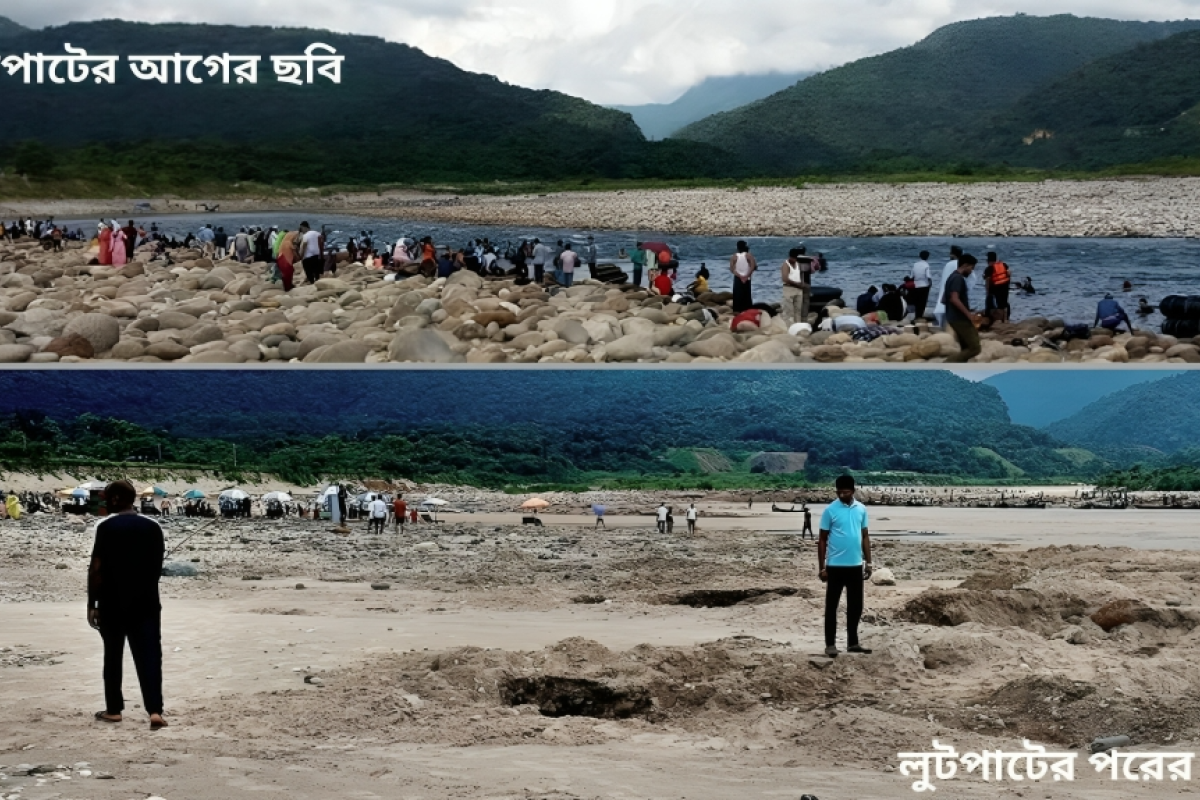
Bholaganj, located in the Companyganj Upazila of Sylhet, is one of Bangladesh’s most picturesque natural sites, renowned for its iconic white stones. These captivating stones carry with them a long geological history, tracing their origins across centuries.
Geological Origins
The white stones of Bholaganj primarily originated from the Khasi and Jaintia Hills in India’s Meghalaya state. Over centuries, rock erosion, weathering, and river currents gradually shaped and transported these stones. The stones are largely a mixture of granite, quartz, and other hard rock formations.
Transport by Rivers
During the monsoon season, the primary carriers of these stones are the Pyan River (known as the Piyain in India) and the Dhalaï River. Each year, the monsoon floods bring an abundance of stones from the Meghalaya hills into these rivers. Significant deposits of rocks also remain on the riverbed of the Dhalaï. When the floodwaters recede, the heavier stones settle along the riverbed and banks, forming layered accumulations.
Formation of the Bholaganj White Stone Reserve
Over more than a century, this process has created the vast white stone deposits at Bholaganj. While new stones continue to be added each year during the monsoon, the majority of the deposits had already accumulated long ago, at a time when the rate of mountain erosion was far greater.
This slow, patient work of nature transformed Bholaganj into one of the world’s most unique tourist attractions. However, unprecedented stone looting over the past year has left much of this natural reserve depleted, placing this invaluable geological heritage on the brink of extinction.
Rivers and Stone Formation Sources
| Source Hills (India) | Transporting Rivers | Stone Type | Accumulation Process |
| Khasi Hills | Pyan (Piyain) River | Granite, Quartz, Hard Rocks | Flood transport and riverbed deposition |
| Jaintia Hills | Dhalaï River | Granite, Quartz, Hard Rocks | Flood transport; stones settle as waters recede |
The geological and hydrological processes that formed these deposits over centuries now stand threatened by human exploitation, jeopardising both the natural beauty and heritage of Bholaganj.



Comments