Monday, 6th April 2026

Khabor Wala Desk
Published: 16th January 2026, 11:35 PM
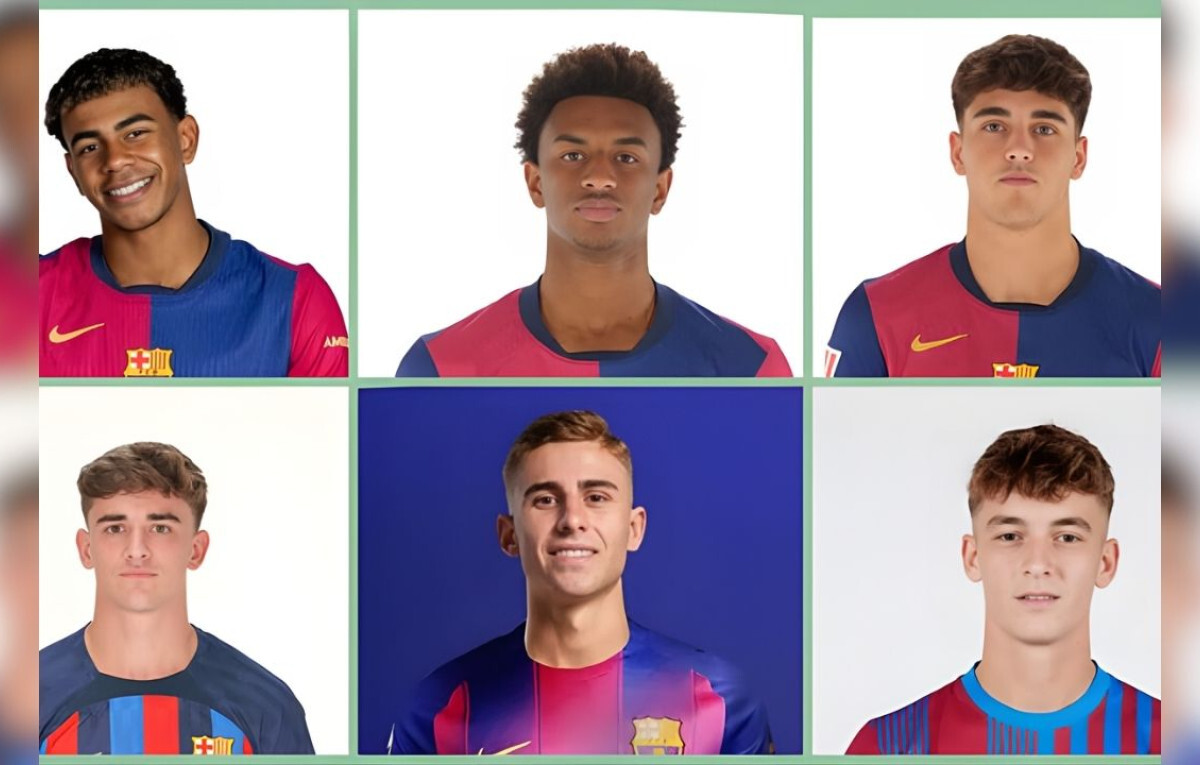
While the global spotlight often falls upon world-record transfers and established superstars, the true engine of modern football lies within the youth academies. A recent study by the International Centre for Sports Studies (CIES) Football Observatory has shed light on which clubs serve as the primary conduits for talent into Europe’s elite “Big Five” leagues: the Premier League, La Liga, Bundesliga, Serie A, and Ligue 1.
It comes as little surprise that FC Barcelona sits at the zenith of this prestigious list. Their world-renowned academy, La Masia, which nurtured the likes of Lionel Messi, Xavi, and Andrés Iniesta, continues to be an assembly line for elite talent. According to the CIES data, 40 graduates from the Catalan club are currently active within the top five European leagues, including current teenage sensations such as Lamine Yamal.
Despite their reputation for buying “Galacticos,” Real Madrid has proven to be equally adept at talent development. The Madrid club occupies second place with 35 players currently representing teams across the continent’s elite divisions. While Barcelona holds the numerical lead, Real Madrid actually ranks first when measuring the “weighted minutes” played by their graduates this season, indicating that their academy products are occupying more significant roles in their respective first teams.
The list also highlights some unexpected powerhouses in youth development. France’s Paris Saint-Germain (PSG) ranks third with 31 players, but it is Stade Rennais that provides the most intrigue. Ranking fourth globally with 29 players, the modest French side consistently outperforms far wealthier counterparts in terms of youth output.
The table below outlines the clubs that have produced the highest number of active players currently competing in Europe’s most prestigious domestic competitions.
| Club | Number of Players Produced | League of Origin |
|---|---|---|
| FC Barcelona | 40 | La Liga |
| Real Madrid | 35 | La Liga |
| Paris Saint-Germain | 31 | Ligue 1 |
| Stade Rennais | 29 | Ligue 1 |
| Chelsea FC | 26 | Premier League |
| Real Sociedad | 25 | La Liga |
| Lyon (OL) | 24 | Ligue 1 |
| Manchester United | 23 | Premier League |
| Valencia CF | 23 | La Liga |
| Arsenal FC | 22 | Premier League |
The CIES report expands beyond Europe to include a “Global Standard” of development. This metric celebrates clubs like Ajax (Netherlands), Benfica (Portugal), and South American giants Flamengo, River Plate, and Boca Juniors. These institutions act as the foundational schools for the world’s best, even if their graduates eventually migrate to the financial heavyweights of England or Spain.
The data over the last decade reinforces a clear trend: while money can buy trophies, the long-term sustainability of the European football ecosystem relies heavily on the tactical education provided by a select few elite academies.




Comments