Sunday, 5th April 2026

Khabor Wala Desk
Published: 22nd February 2026, 6:09 AM
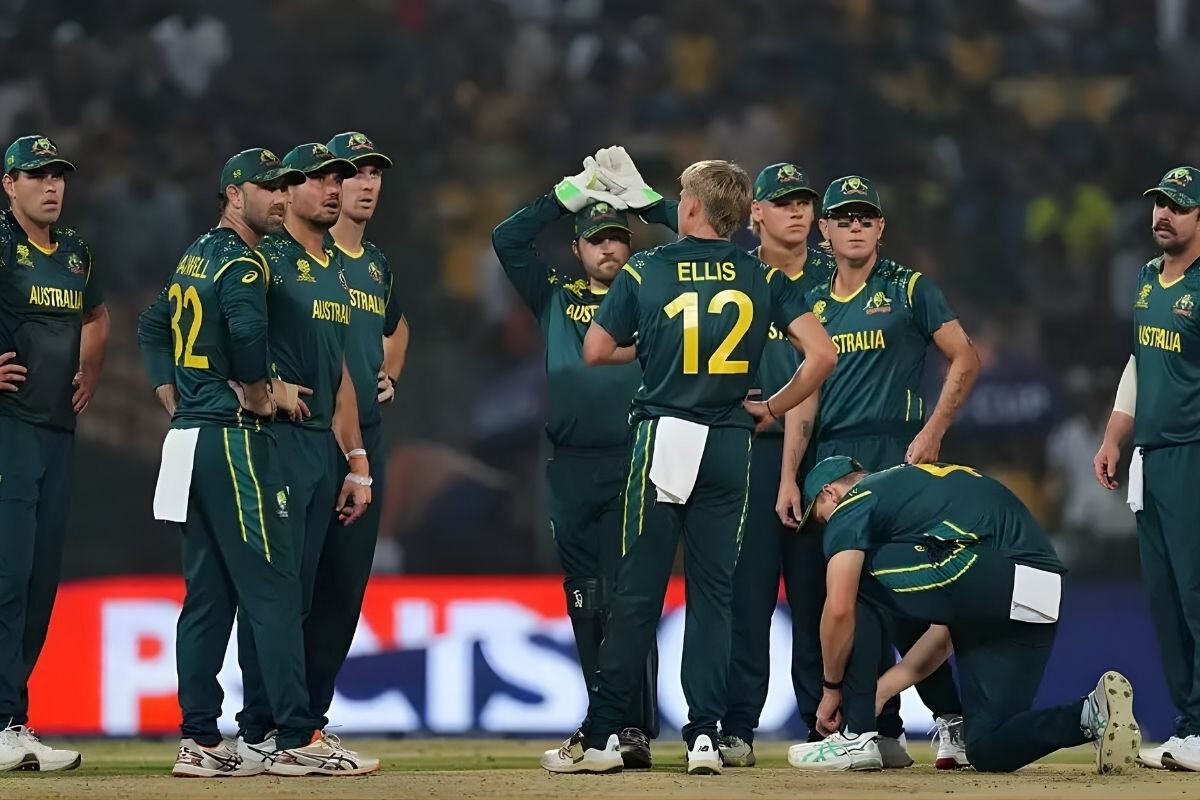
As far as needless errors go, few captured Australia’s 2026 T20 World Cup campaign quite like this.
It was the first delivery of the 16th over in Oman’s innings at Pallekele. The match was tepid, the scoreboard uninspiring, and the evening felt lifeless. Glenn Maxwell collected a straight drive from Wasim Ali and hurled it toward the wicketkeeper. The throw veered wildly off-target, bouncing harmlessly toward Adam Zampa at short fine-leg. Yet Zampa fumbled, letting the ball slip between his legs, granting a single that should never have been conceded.
The reactions were telling. Zampa looked away. Maxwell looked away. So did the rest of the Australian fielders. There was no sense of urgency, no embarrassment, no pressure. It mattered little in the context of the contest—Australia’s World Cup hopes had effectively ended days earlier. The game was a dead rubber, the stage a melancholy backdrop to a campaign that had collapsed before it began.
Even moments of brilliance were muted. Maxwell eventually removed Wasim Ali a few deliveries later, but the wicket passed without celebration. Cameron Green, after an athletic caught-and-bowled attempt, appeared more eager to return to his mark than to confirm the success of his effort. Such was the mood: subdued, dispirited, and almost resigned.
Australia’s troubles had started long before this evening. Captain Mitch Marsh had elected to bowl first on a pitch more suited to batting. Injuries to key pacers Pat Cummins and Josh Hazlewood, compounded by the retirement of Mitchell Starc from T20Is, left a depleted attack led by Nathan Ellis. Adam Zampa carried a niggle into the tournament, limiting his effectiveness. The batting lineup, once the team’s strength, faltered as Maxwell, Green, and Josh Inglis struggled for form, while Tim David returned from injury.
Their pre-tournament record of 16 wins from 20 games offered little comfort; their only recent T20 World Cup semi-final appearance had been in 2021. In Sri Lanka, Australia failed to progress from a group that included Zimbabwe—absent from the last edition—and hosts Sri Lanka, who have been inconsistent in the format in recent years.
| Team | Matches Played | Wins | Losses | Notes |
|---|---|---|---|---|
| Australia | 3 | 0 | 3 | Eliminated in preliminary round |
| Zimbabwe | 3 | 2 | 1 | Beat Australia convincingly |
| Sri Lanka | 3 | 2 | 1 | Co-host, strong performances |
| Oman | 3 | 0 | 3 | Associate team, limited impact |
Criticism in Australia has been fierce, often unconstructive, reflecting a broader indifference to T20Is since the format moved behind paywalls and away from prime viewing hours. The campaign highlighted deeper issues: insufficient bench strength, overreliance on injured or out-of-form stars, and questions about the domestic T20 competition’s ability to prepare players for the global stage.
Even veteran Steve Smith, flown in as a standby, became a passive spectator, emblematic of the team’s disjointed tournament. Selector Tony Dodemaide has promised a “forensic review,” but whether lessons are learned—and whether public attention will endure—is uncertain. For now, the Australian T20 side can only reflect on a campaign that slipped quietly into forgettable history.
As Australia slept through their World Cup, the cricketing world watched a once-proud team stumble into one of its darkest chapters.




Comments