Sunday, 5th April 2026

Khabor Wala Desk
Published: 28th October 2025, 2:53 AM
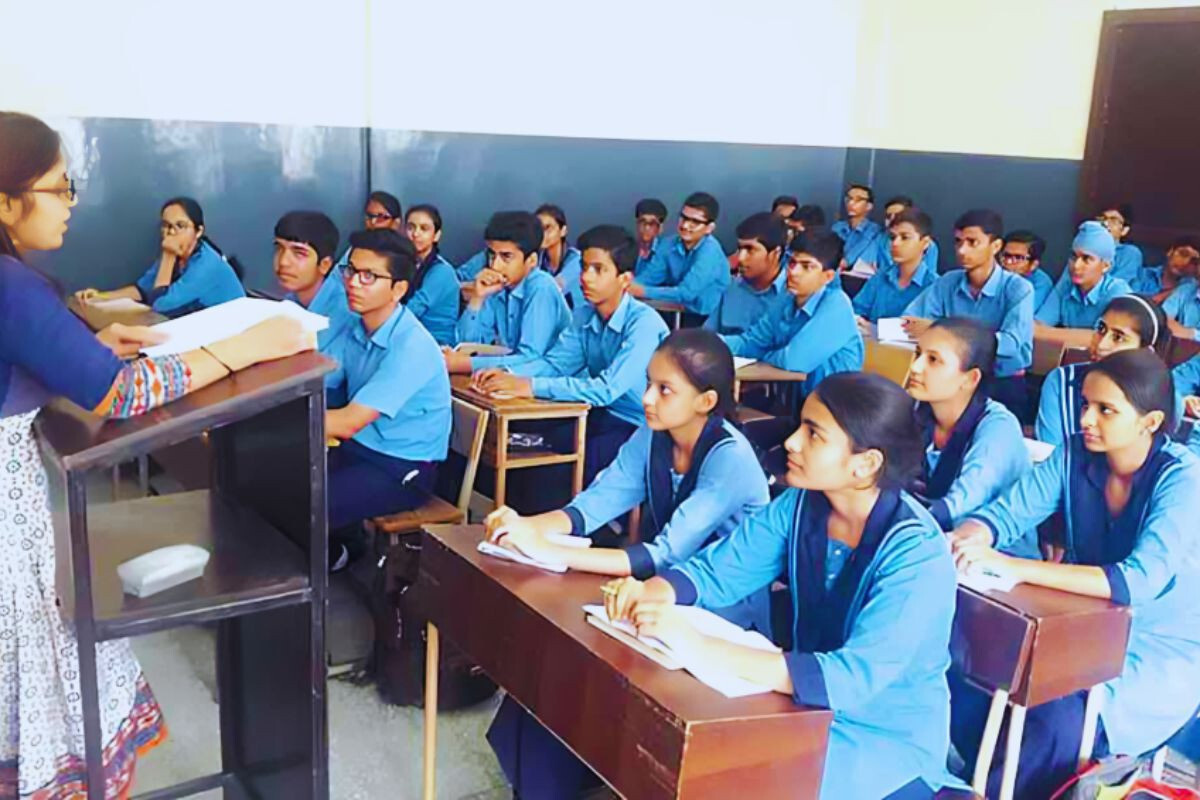
“Life has become a battle against poverty. Non-MPO teachers have completely failed to meet their families’ expectations. Their monthly income depends entirely on the number of students and tuition fees. When enrollment drops, their earnings fall drastically. In many cases, teachers cannot even earn enough to cover basic living costs. Some are forced to work as day laborers, drive auto-rickshaws, or sell fruits on the streets,” said Md. Zamir Uddin Chowdhury, Chairperson of the Bangladesh Non-MPO Educational Institutions Council, in a statement to the media on Sunday.
He added that teachers working without pay have reached a breaking point, as poverty and hardship have become part of their daily lives.
Currently, teachers of 66,287 non-MPO institutions are living in extreme financial distress. Amid rising living costs, surviving on minimal income has become a daily struggle. Despite performing the same duties and teaching hours as their MPO and government counterparts, non-MPO teachers face vast disparities in salary and benefits. They receive no financial assistance from the government.
The teachers demanded that all recognized non-MPO institutions be included under the MPO scheme before the announcement of the upcoming national election schedule.
Md. Shahidul Islam, President of the Unpaid Teachers and Employees Unity Front, said, “Supporting our families has become nearly impossible. It’s heartbreaking that we cannot even ensure food for our parents, siblings, wives, and children.”
Shahinur Alam, an agriculture teacher at Shobdol Dighi Girls’ Dakhil Madrasa in Bogura’s Shibganj, said he has been working without pay for 13 years. His institution has 13 teachers and 3 staff members, none of whom have ever received a salary. Similarly, Joypurhat Madrasa teacher Md. Abu Taher retired after 28 years of unpaid service.
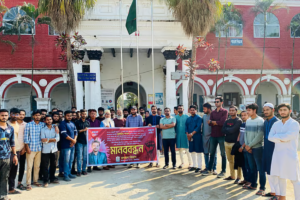
On Monday, the Non-MPO Educational Institutions MPO Inclusion Implementation Committee organized a human chain in front of the National Press Club. Speakers alleged that due to political neglect and government indifference, many recognized institutions remain excluded from the MPO scheme. They noted that some teachers retired or died while working without pay, leaving their families destitute. They urged the government to issue an MPO inclusion order for all recognized non-MPO institutions before the election schedule is announced.
Leaders present at the event included Faisal Mahmud Shanto, Joint Member Secretary of the National Citizens Party; Convener Principal Mosa. Samia Shimu Panna; Council Chairperson Principal Md. Zamir Uddin Chowdhury; Member Secretary Mamun Sirajul Kader; Organizational Secretary Md. Hafizur Rahman; Unity Front President Md. Shahidul Islam; General Secretary Principal Md. Faridul Islam; and Joint Convener Zelahak Jewel.
According to the Bangladesh Bureau of Statistics, among 92,392 private educational institutions in the country, only 26,104 are under the MPO scheme. The remaining 66,287 — about 73.6% — are excluded, forcing teachers and staff into hardship, which has adversely affected the quality of education.
Meanwhile, under the banner of the Bangladesh Coordination Council of Disabled Schools, teachers held a sit-in yesterday demanding MPO inclusion and other benefits, saying the lack of government recognition has led to unbearable hardship for them and negatively impacted special-needs education.
Teachers from independent Ebtedayee madrasas also held a long march, demanding nationalization of their institutions. They warned of boycotting classes and exams nationwide if their demands are not met soon.
Khaborwala/TSN
Comments