Monday, 6th April 2026

Khabor Wala Desk
Published: 16th February 2026, 3:14 AM
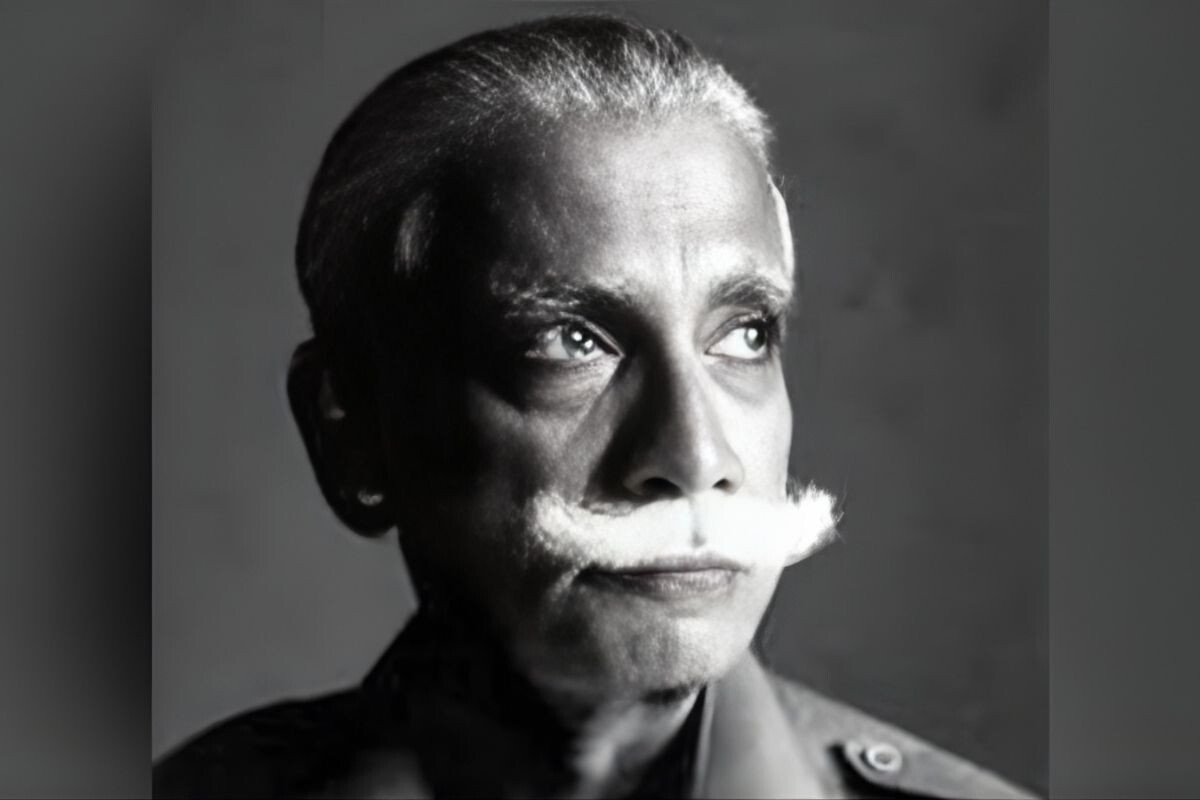
Today marks the 42nd death anniversary of the revered freedom fighter and Commander-in-Chief of Bangladesh’s liberation forces, Bongobir General Muhammad Ataul Ghani Osmani. He passed away on 16 February 1984 at the age of 65 and was laid to rest near the shrine of Hazrat Shahjalal (R.) in Sylhet. To commemorate his life and contributions, various programmes are being held across Sylhet, Dhaka, and other parts of the country. A discussion and prayer session has been scheduled at 11:00 a.m. at the Rower Helmet Hall to honour his memory.
Born on 1 September 1918 in Dayamir village of Balaganj, Sylhet, Osmani was the second of three children of Khan Bahadur Mafizur Rahman and Jobeda Khatun. His early education was home-based, after which, at the age of 11 in 1929, he joined the Cotton School in Guwahati, Assam. Following his mother’s wish, he enrolled in Sylhet Government Pilot School in 1932, completing his matriculation in 1934 with distinction, earning the ‘Pretoria Award’ for excellence in English.
Osmani then pursued higher studies at Aligarh Muslim University, passing his Intermediate of Arts in 1936 and Bachelor of Arts in 1938. During his MA studies in Geography in 1939, he joined the British Indian Army, reflecting leadership qualities that had already begun to emerge. He served as a sergeant in the University Officers’ Training Corps (UOTC) before graduating from the Dera–n Military Academy on 5 October 1940, receiving a King’s Commission. He was promoted to Captain in February 1941 and, by February 1942, became the youngest Major in the British Army at just 23, commanding an entire battalion.
During the Second World War, from 1943 to 1945, Osmani commanded a significant mechanised unit in the Burma Campaign. In 1945, he also passed the ICS examinations in accordance with his father’s wishes. Following the partition of British India in 1947, he joined the Pakistan Army as a Lieutenant Colonel on 7 October and earned a PSC degree from Quetta Staff College in 1948. Over the next decade, Osmani served in various high-ranking positions, including Deputy Director at the General Staff Operations in 1955, and represented Pakistan in international organisations such as SEATO and CENTO.
In the 1965 Indo-Pak war, he efficiently held the post of Deputy Director of Military Operations. Known for his independent mindset and strategic acumen, he retired as a Colonel on 16 February 1967.
Osmani joined the Awami League in 1970 and was elected as a Member of Pakistan’s National Assembly from Fenchuganj-Balaganj-Bishwanath. With the outbreak of Bangladesh’s Liberation War in 1971, he led the Mukti Bahini as Chief, playing an unparalleled role in securing the country’s independence. Post-independence, he continued to serve the new Bangladeshi government in key ministerial and advisory positions.
| Year | Event | Age |
|---|---|---|
| 1918 | Born in Dayamir, Sylhet | 0 |
| 1929 | Admitted to Cotton School, Guwahati | 11 |
| 1934 | Passed matriculation, Pretoria Award | 16 |
| 1936 | Completed I.A., Aligarh Muslim University | 18 |
| 1938 | Completed B.A. | 20 |
| 1940 | Commissioned in British Indian Army | 22 |
| 1942 | Youngest Major in British Army | 23 |
| 1943–45 | Commanded mechanised unit in Burma | 25–27 |
| 1965 | Deputy Director, Military Operations, Indo-Pak War | 47 |
| 1970 | Elected Member of Pakistan National Assemblya | 52 |
| 1971 | Chief of Mukti Bahini, Liberation War | 53 |
| 1984 | Passed away, buried near Hazrat Shahjalal | 65 |
General Osmani’s legacy endures as a symbol of courage, leadership, and patriotism, inspiring generations of Bangladeshis to honour the ideals for which he dedicated his life.




Comments