Sunday, 5th April 2026

Khabor Wala Desk
Published: 1st March 2025, 4:45 AM
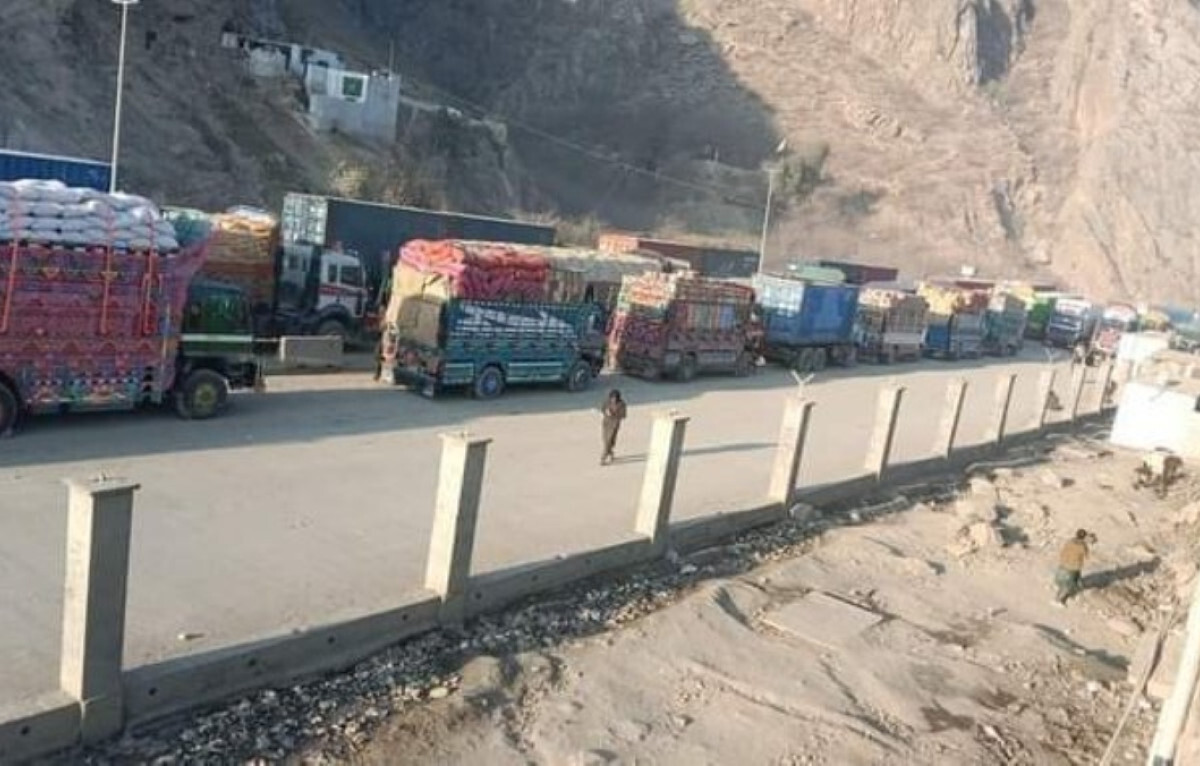
Torkham, 1 March 2025 – The Torkham border crossing has remained closed for the eighth consecutive day, bringing trade and transit to a standstill and leaving hundreds of travellers stranded on both sides. The prolonged closure has caused severe disruptions for traders and commuters who rely on the crossing as a vital link between Afghanistan and Pakistan.
Officials from the Taliban in Nangarhar acknowledged on Saturday that the closure has created significant difficulties for those dependent on the route for business and personal travel. Many individuals have been left in limbo, unable to proceed with their journeys or conduct essential trade activities.
Pakistani authorities have yet to provide a clear explanation for the ongoing closure, adding to the frustration and uncertainty faced by those affected. While discussions are reportedly underway to resolve the situation, no immediate solution has been announced. The lack of transparency has fuelled grievances among those stranded, who are demanding urgent action to reopen the crossing.
Travellers stuck at the border have raised concerns about deteriorating conditions, citing high accommodation costs and inadequate facilities in the border areas. Many are struggling with financial constraints, making their prolonged stay even more challenging.
The closure of this critical trade route has had significant economic repercussions, particularly in disrupting import and export activities between Afghanistan and Pakistan. Businesses reliant on cross-border trade have suffered losses, and many traders fear that prolonged disruption could lead to inflation and shortages of essential goods in Afghanistan.
Historically, the Torkham border has been a flashpoint in relations between Afghanistan and Pakistan, with frequent closures exacerbating tensions. This latest disruption risks further straining diplomatic ties between the two nations, potentially complicating future negotiations on trade and security.
The consequences of the border closure extend beyond immediate economic losses. The disruption could exacerbate Afghanistan’s ongoing humanitarian crisis, as trade restrictions limit access to essential commodities, including food and medical supplies. Additionally, continued uncertainty over border policies may deter investors and further destabilise the region’s fragile economy.
Given the high stakes, it is imperative for both Afghan and Pakistani authorities to prioritise reopening the crossing. Failure to do so may not only deepen economic hardships but also contribute to long-term instability in the border regions. (KHAAMA)



Comments