Sunday, 5th April 2026

Khabor Wala Desk
Published: 18th September 2025, 10:54 AM
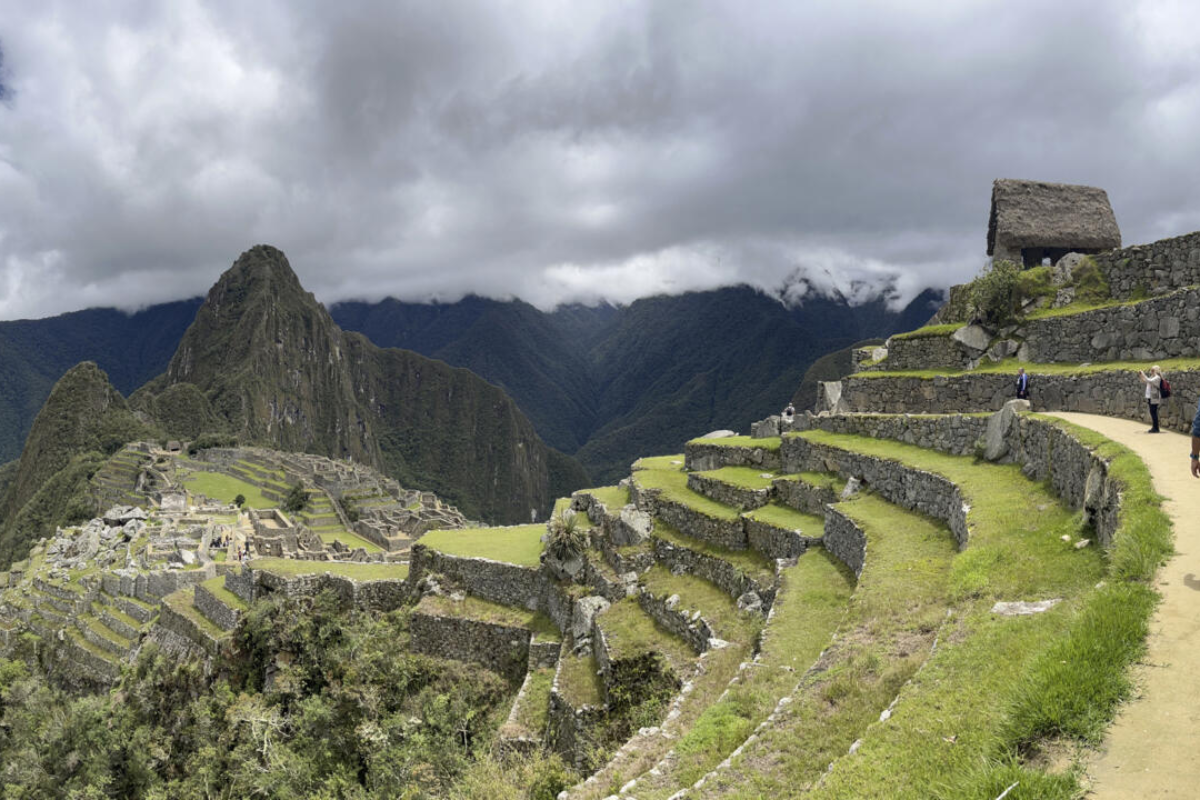
Tourists returned on Wednesday to the ancient Inca citadel of Machu Picchu, according to officials, after a local protest forced the evacuation of hundreds of stranded visitors earlier in the week.
Access to the UNESCO World Heritage Site had been blocked since Monday, as residents placed logs and rocks on train tracks to demand representation in the bidding process for a new bus operator.
The demonstrations turned confrontational, with police reporting that 14 officers were injured during clashes with the protesters.
Authorities evacuated 156 visitors on Tuesday evening, in addition to approximately 1,400 tourists who had been extricated overnight on Monday.
Hundreds more tourists made their own way down the site on foot. Among the foreign visitors affected were nationals from France, Japan, the United States, Brazil, Germany, and Portugal, according to official records seen by AFP.
PeruRail announced that operations had resumed on Wednesday, after residents agreed to a temporary truce until Saturday to allow for negotiations.
The protest was organised by the Machu Picchu Defense Front, which has vowed to continue its action until the new bus company is selected to provide services between Aguas Calientes and the citadel.
The previous operator’s 30-year concession had expired, but the company continued to provide services, angering local residents who insist that the community must have a stake in the selection of a new operator.
Tourists typically travel approximately 110 kilometres (68 miles) by train from Cusco, the ancient capital of the Inca Empire, to the Aguas Calientes train station, and then take a bus to the entrance of Machu Picchu.
The citadel, located at an altitude of 2,438 metres, was built in the 15th century by order of Inca emperor Pachacutec (1438–1470). It is celebrated as a marvel of architecture and engineering, but has repeatedly been the scene of local protests pressing for social and economic demands.
Tourism remains a vital component of Peru’s economy, with the citadel attracting around 4,500 visitors per day, many of whom are international travellers.




Comments