Sunday, 5th April 2026

Khabor Wala Desk
Published: 24th September 2025, 6:26 AM
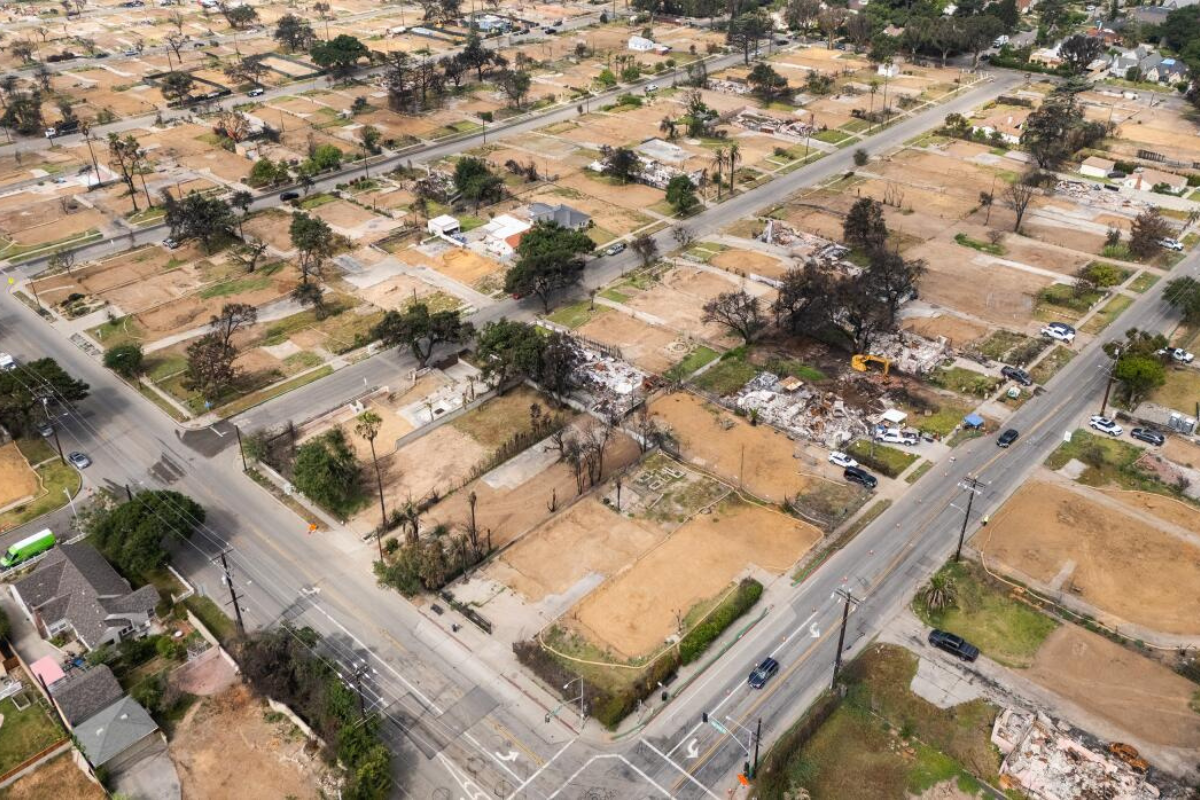
Nine months after the devastating fires in Los Angeles, Karen Girard’s home remains standing—but the damage is far from visible. While the flames spared her property, the smoke left her walls, floors, and furniture imbued with a toxic cocktail of chemicals.
Tests have revealed heavy metals such as lead, arsenic, and zinc, along with volatile organic compounds including cyanide and furfural, rendering the house unsafe for habitation.
“I realized that even though the home was still standing, it might be lost to me,” said the 58-year-old designer. Even short visits trigger increasing asthma attacks, evidence of invisible damage inside the home.
When wildfires swept through Altadena in January, neighbouring houses were destroyed in a terrifying firestorm. Girard was astonished that her property survived.
“I thought I should go out and buy lottery tickets, because I never thought I would be this lucky again,” she told AFP.
The fires claimed 31 lives directly and razed over 16,000 buildings, affecting working- and middle-class neighbourhoods like Altadena and affluent areas such as Pacific Palisades.
While dramatic images of burned landscapes circulated worldwide, a less visible disaster lingered: toxic pollution released from the combustion of homes, cars, electronics, household items, and batteries.
Driven by winds reaching 100 miles (160 km) per hour, this hazardous mixture seeped through doors, vents, and cracks.
“The potential toxicity of the mixture that came off these fires is probably much greater than what we saw in other major fires in the US, because those fires did not affect as many urban structures,” explained Michael Jerrett, professor of environmental science at UCLA.
Jerrett’s team tested the atmosphere in affected communities this spring and found abnormal levels of hexavalent chromium, a known carcinogen.
Nanoparticles from the fires could have travelled up to six miles, potentially impacting tens of thousands of residents.
“They are so small that they’re capable of penetrating the indoor environment with high efficiency,” Jerrett said.
“It’s really important that people trying to move back into their homes have them properly remediated.”
For Girard, resolving the issue has been an ongoing battle with insurers.
| Stakeholder | Recommendation |
| Girard’s restoration company | Replace all furniture; treat the house frame |
| Insurance-appointed firm | Use a vacuum cleaner with a fine-particle filter |
“While it feels like business to them, it doesn’t feel like business to me. This is my home. I have lived here for decades, and I desperately want to come home to it,” Girard said.
Her insurer, Farmers, told AFP: “We continue to work with our customer to resolve this claim and remain willing to review any additional information they may wish to provide.”
The issue reflects a broader challenge in high-cost California, where insurance companies often operate with few enforceable standards on smoke contamination claims.
Jane Lawton, founder of Eaton Fire Residents United, highlighted the scale of the problem: “There are no clear standards on smoke claims, so insurance companies can deny what they want. We’ve mapped over 200 tests in Altadena, all showing varying degrees of contamination.”
Lawton likened the aftermath to 9/11, referencing the chronic respiratory illnesses and increased cancer rates in New York following the World Trade Center collapse: “This is going to be like 9/11.”
Key Facts
| Aspect | Details |
| Firestorm location | Altadena, Pacific Palisades |
| Deaths | 31 directly |
| Buildings destroyed | 16,000+ |
| Hazardous chemicals detected | Lead, arsenic, zinc, cyanide, furfural |
| Wind speeds | Up to 100 mph (160 km/h) |
| Nanoparticle travel | Up to 6 miles |
The fires’ legacy continues long after the flames, leaving toxic homes and unresolved insurance battles, with thousands of residents facing health risks from invisible pollutants.



Comments