Saturday, 4th April 2026

Khabor Wala Desk
Published: 18th March 2026, 2:39 AM
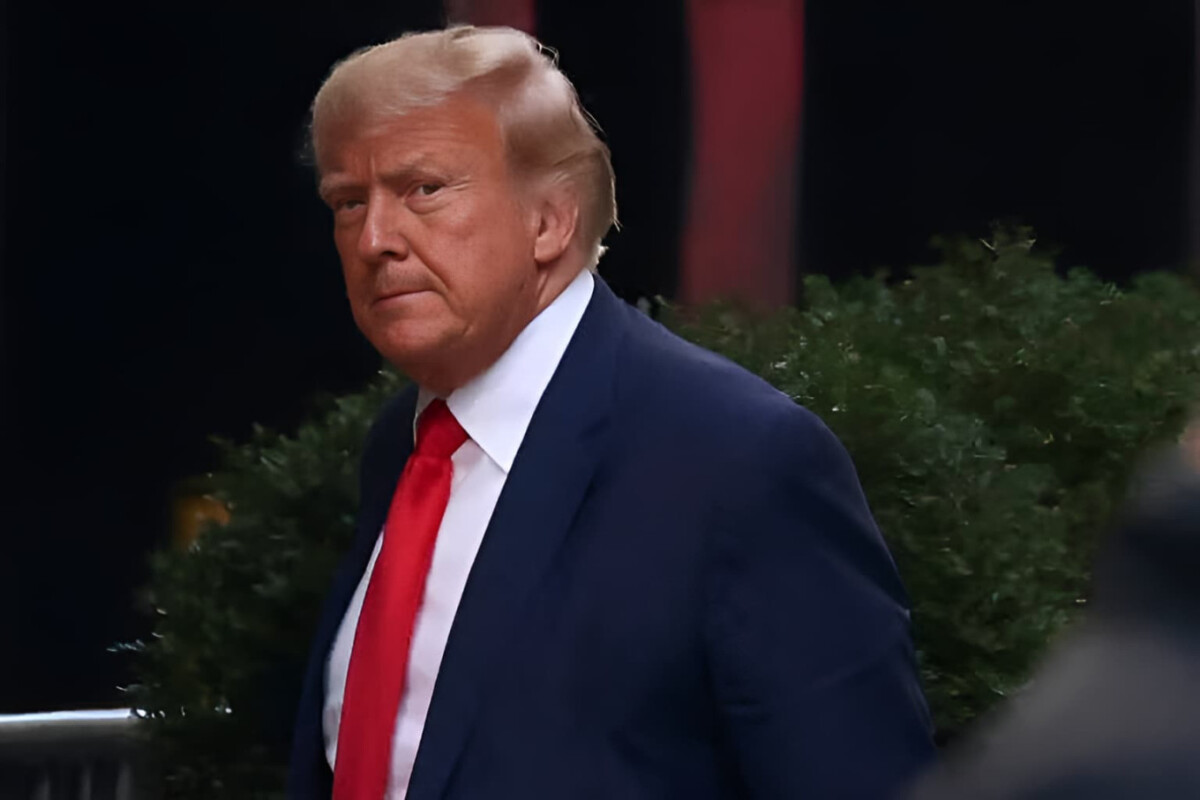
United States President Donald Trump has voiced sharp frustration after key allied nations declined Washington’s request to deploy naval forces to the strategically vital Strait of Hormuz. The development comes amid escalating tensions surrounding Iran and has exposed growing divisions between the United States and its traditional partners.
According to officials, Washington urged allies to send warships to help secure maritime routes following heightened military activity involving Iran. However, several countries—including the United Kingdom, Germany, Spain, Australia, Japan, and Italy—refrained from participating. Instead, the European Union issued a call urging both the United States and Israel to halt military operations against Iran, signalling a preference for de-escalation.
President Trump reacted strongly to the lack of support, asserting that the United States does not depend on external assistance. He emphasised that America remains the world’s most powerful nation, both economically and militarily. “We do not need anyone. We are number one,” he reportedly said, underscoring a unilateral approach to the unfolding crisis.
The situation in the Strait of Hormuz has become increasingly precarious. Since the onset of hostilities, Iran has effectively exerted control over the waterway, leading to severe disruptions in maritime traffic. This narrow passage is one of the most critical النفط transit routes globally, with a significant proportion of the world’s oil supply passing through it daily. As shipping activity slows, global oil prices have risen sharply, triggering volatility across international markets.
German Chancellor Friedrich Merz criticised the United States for failing to consult European partners in advance. He stressed that Berlin could not support military deployments lacking approval from multilateral bodies such as the United Nations, the European Union, or the NATO. His remarks reflect broader European concerns over unilateral military action and the importance of adhering to international frameworks.
Analysts suggest that Trump’s call for allied participation may also have been a strategic test of diplomatic alignment. The apparent reluctance of partner nations to engage militarily highlights shifting dynamics within global alliances and raises questions about future cooperation in security matters.
Below is a summary of the current situation:
| Key Issue | Current Status | Potential Impact |
|---|---|---|
| Strait of Hormuz | Severely disrupted | Global oil supply constraints |
| Oil Market | Prices rising | Increased economic uncertainty |
| Allied Response | Refusal to deploy naval forces | Strained diplomatic relations |
| European Union Position | Calls for cessation of military action | Push for diplomatic resolution |
As tensions persist, the unfolding crisis underscores the fragile balance between military strategy, economic stability, and international diplomacy.




Comments