Sunday, 5th April 2026

Khabor Wala Desk
Published: 12th August 2025, 12:21 PM
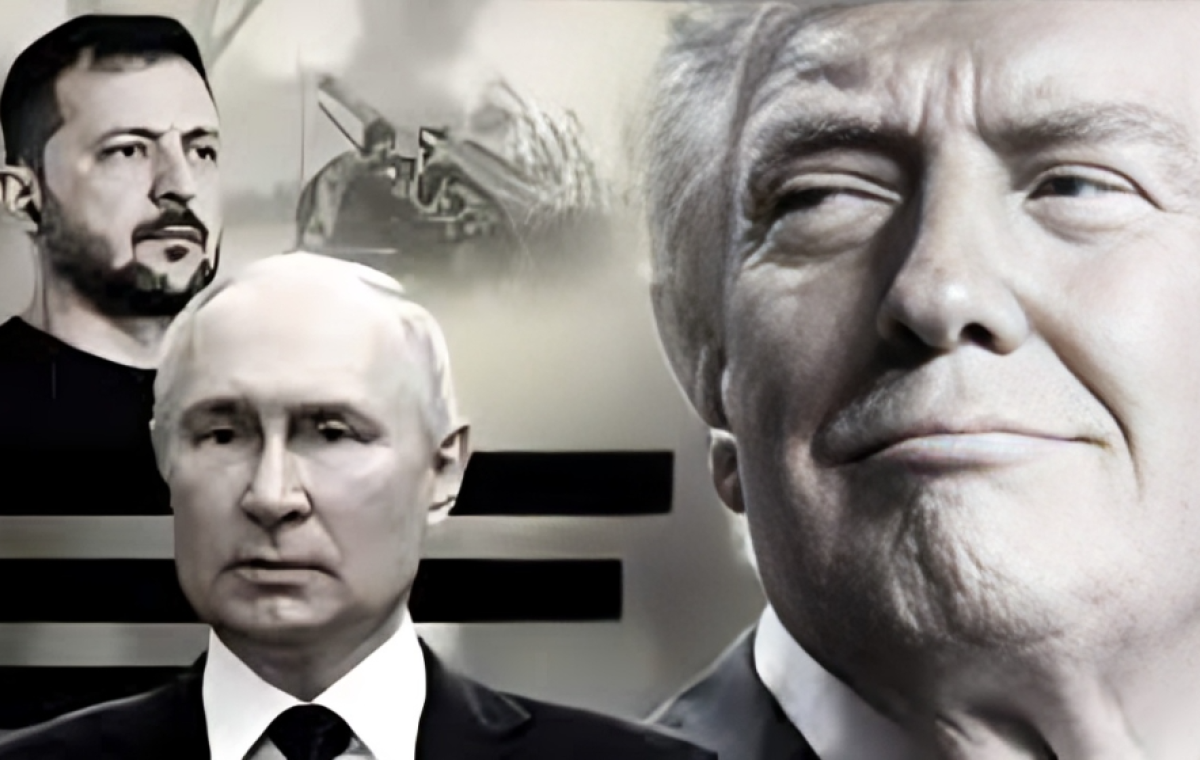
US President Donald Trump, on Monday, characterised his forthcoming summit with Russian President Vladimir Putin as a “feel-out meeting” intended to assess Putin’s proposals for ending the war in Ukraine. This comes as European leaders hasten to safeguard Kyiv’s interests amidst ongoing conflict.
Context and Summit Details
Trump has invited Putin to Alaska for a face-to-face meeting on Friday — the first such encounter between the two leaders since Russia’s invasion of Ukraine in February 2022. Trump has publicly criticised Ukrainian President Volodymyr Zelensky for refusing territorial concessions.
European leaders, concerned privately that Putin and Trump might conspire to pressure Kyiv into unacceptable compromises, have arranged separate conversations with both Zelensky and Trump on Wednesday.
Trump’s Approach and Expectations
Since beginning his second term, President Trump has focused on attempting to broker peace in Ukraine. Despite his previous claims of being able to end the conflict within 24 hours, numerous rounds of talks, phone calls, and diplomatic efforts have yet to produce a breakthrough.
While typically confident in his deal-making abilities, Trump tempered expectations for the Alaska summit but expressed hope for “constructive conversations.”
“This is really a feel-out meeting a little bit,” Trump told reporters at the White House.
“We’re going to see what he has in mind and if it’s a fair deal, I’ll reveal it to the European Union leaders and to NATO leaders and also to President Zelensky.
I may say — lots of luck, keep fighting. Or I may say, we can make a deal.”
Territorial Concessions and Land Swaps
Zelensky has categorically rejected ceding any territory seized by force. Trump, who publicly rebuked Zelensky at a White House meeting in February, admitted being “a little bothered” by Zelensky’s stance and insisted on land swaps as part of any agreement.
“There’ll be some swapping, there’ll be some changes in land,” Trump said, adding that he would also stress to Putin the necessity of ending the war
European Leaders’ Response and Diplomatic Initiatives
German Chancellor Friedrich Merz has convened a virtual meeting on Wednesday with French, British, other European leaders, and the heads of the EU and NATO. The discussions aim to explore:
| Meeting Focus | Details |
| Pressure on Russia | Examining further options to exert diplomatic and economic pressure |
| Peace Negotiations Preparation | Preparing for possible peace talks, addressing territorial claims and security concerns |
EU foreign ministers met in Brussels on Monday with Ukrainian Foreign Minister Andrii Sybiha. They considered imposing a 19th sanctions package on Russia since the invasion began.
EU foreign policy chief Kaja Kallas emphasised:
“Until Russia agrees to a full and unconditional ceasefire, we should not even discuss any concessions. It has never worked in the past with Russia, and will not work with Putin today.”
Zelensky’s Firm Stance
President Zelensky reiterated his refusal to yield to Putin’s demands, warning against any form of capitulation.
“Russia refuses to stop the killings, and therefore must not receive any rewards or benefits. And this is not just a moral position — it is a rational one,” Zelensky stated on social media.
“Concessions do not persuade a killer.”
Possibility of Zelensky’s Participation in Talks
US Ambassador to NATO, Matthew Whitaker, responded on CNN on Sunday that Zelensky’s presence at the Alaska summit was possible. However, Trump suggested Zelensky might be involved in subsequent discussions rather than the initial meeting.
“I’ll be there if they need, but I want to have a meeting set up between the two leaders,” Trump said on Monday, referring to the possibility of a Putin-Zelensky meeting.
It remains uncertain if Putin would agree to meet Zelensky, who has publicly challenged Putin to negotiate directly.
Preconditions for Peace Talks and Recent Military Developments
The Kremlin has set several preconditions for peace, including Kyiv withdrawing forces from multiple regions claimed by Russia. Moscow also demands Ukraine commit to neutrality, excluding itself from NATO and rejecting military assistance from the US and Europe.
Meanwhile, the conflict continues to intensify:


Comments