Sunday, 5th April 2026

Khabor Wala Desk
Published: 11th April 2025, 6:22 PM
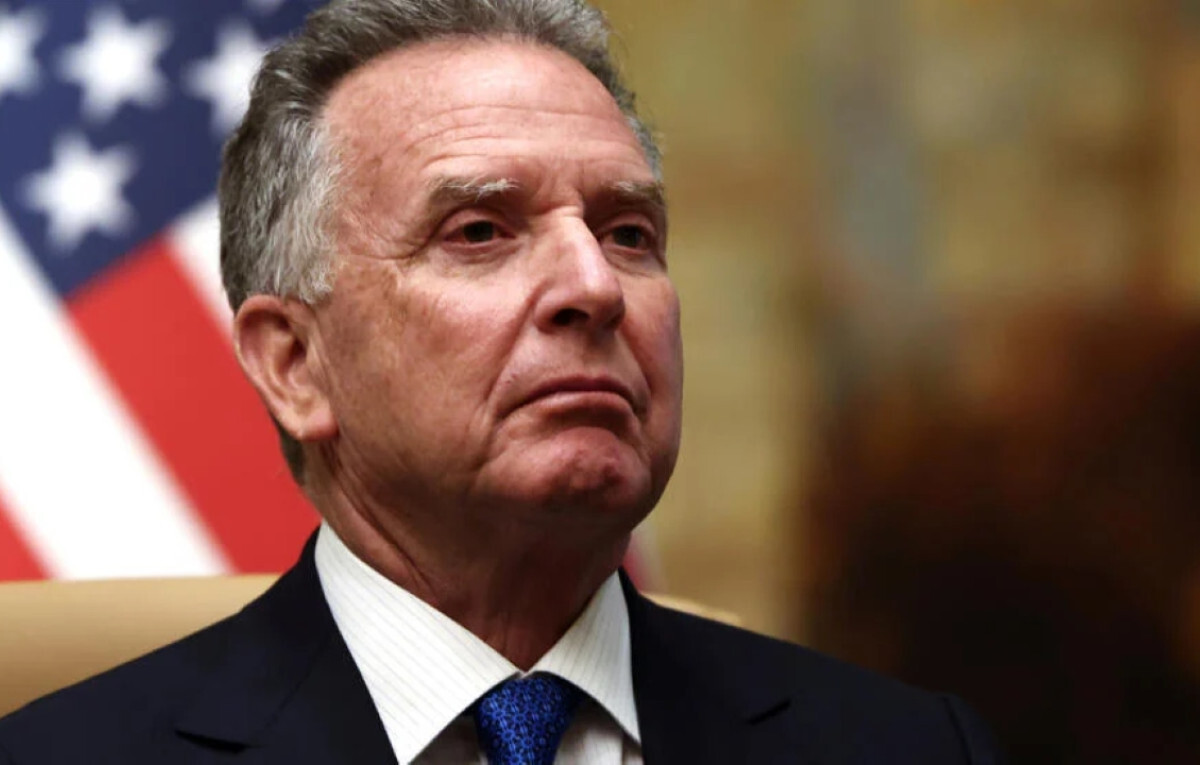
MOSCOW, 11 April 2025 (BSS/AFP) – Steve Witkoff, the United States’ special envoy and a close associate of President Donald Trump, arrived in Russia on Friday for his third visit since Trump returned to the White House in January. The visit underscores Washington’s ongoing push for a ceasefire in Ukraine, although tensions between all parties remain high and progress elusive.
The Kremlin confirmed the envoy’s arrival, with spokesperson Dmitry Peskov stating, “Yes, I can confirm he flew into Russia,” though he declined to confirm whether a meeting with President Vladimir Putin would occur, adding that the public would be informed should such talks take place.
The conflict in Ukraine, which began in early 2022, has persisted for over three years. Despite multiple rounds of international diplomacy and sanctions, hostilities between Russia and Ukraine continue. The Trump administration has taken a more hands-on approach since January 2025, with Witkoff spearheading efforts to broker a ceasefire.
Witkoff’s Role and Diplomatic Mission
Steve Witkoff, a real estate executive and long-time Trump ally, has become a central figure in Trump’s foreign policy approach. His previous visits to Russia included two direct meetings with Putin, where he controversially described the Russian leader as a “great leader” and “not a bad guy”. These comments reflect a significant departure from traditional US views of the Kremlin, marking a diplomatic reset in tone, if not yet in substance.
| Key Facts | Details |
|---|---|
| Envoy’s Role | Oversees US diplomacy on Ukraine and Gaza conflicts |
| Total Visits to Russia | 3 since January 2025 |
| Previous Statements | Described Putin as a “great leader” |
| Ceasefire Progress | No formal agreement reached |
While broader diplomatic efforts remain slow, the release of dual US-Russian national Ksenia Karelina, a ballet dancer jailed for donating to a Ukrainian charity, represents a modest breakthrough. She was exchanged on Thursday for suspected tech smuggler Arthur Petrov, in what observers see as a gesture of goodwill.
| Name | Background |
|---|---|
| Ksenia Karelina | Arrested in January 2024, sentenced to 12 years for “treason” |
| Arthur Petrov | Accused of smuggling sensitive US technology to Russia |
Russia’s foreign intelligence chief, Sergei Naryshkin, confirmed on Friday that discussions on further prisoner exchanges were expected to continue.
Russian Foreign Minister Sergei Lavrov added that such exchanges helped build “trust, which is much needed” after strained relations during former President Joe Biden’s tenure.
Amid broader attempts to ease tensions, US and Russian delegations also met in Istanbul on Thursday to discuss restoring embassy functions—both sides having dramatically downsized staffing in recent years due to hostile relations.
Meanwhile, efforts to halt airstrikes on energy infrastructure have faltered. Though the United States claimed a verbal agreement was reached during talks in Saudi Arabia last month, no formal document was signed. Both Kyiv and Moscow have since accused each other of continuing strikes.
President Trump has publicly expressed frustration with both sides. In a recent interview with NBC News, he stated he was “very angry” and “pissed off” at Vladimir Putin, particularly after the Russian president rejected a joint US-Ukrainian ceasefire proposal and dismissed Ukrainian President Volodymyr Zelensky’s credibility.
Putin instead called for a “transitional external administration” in Ukraine—an idea swiftly condemned by Western powers as undermining Ukrainian sovereignty.
Witkoff’s visit to Moscow also precedes his leading role in another critical negotiation: the United States–Iran nuclear talks, scheduled for Saturday in Oman. These discussions aim to defuse tensions over Tehran’s uranium enrichment programme, which Western nations fear could lead to nuclear weapon development.
Trump has issued stern warnings to Iran, hinting at military consequences if a new deal is not agreed upon. Russia, a key ally of Iran, has instead urged for calm and a diplomatic path forward, warning that military escalation could lead to a “global catastrophe.”


Comments