Sunday, 5th April 2026

Khabor Wala Desk
Published: 7th August 2025, 2:20 PM
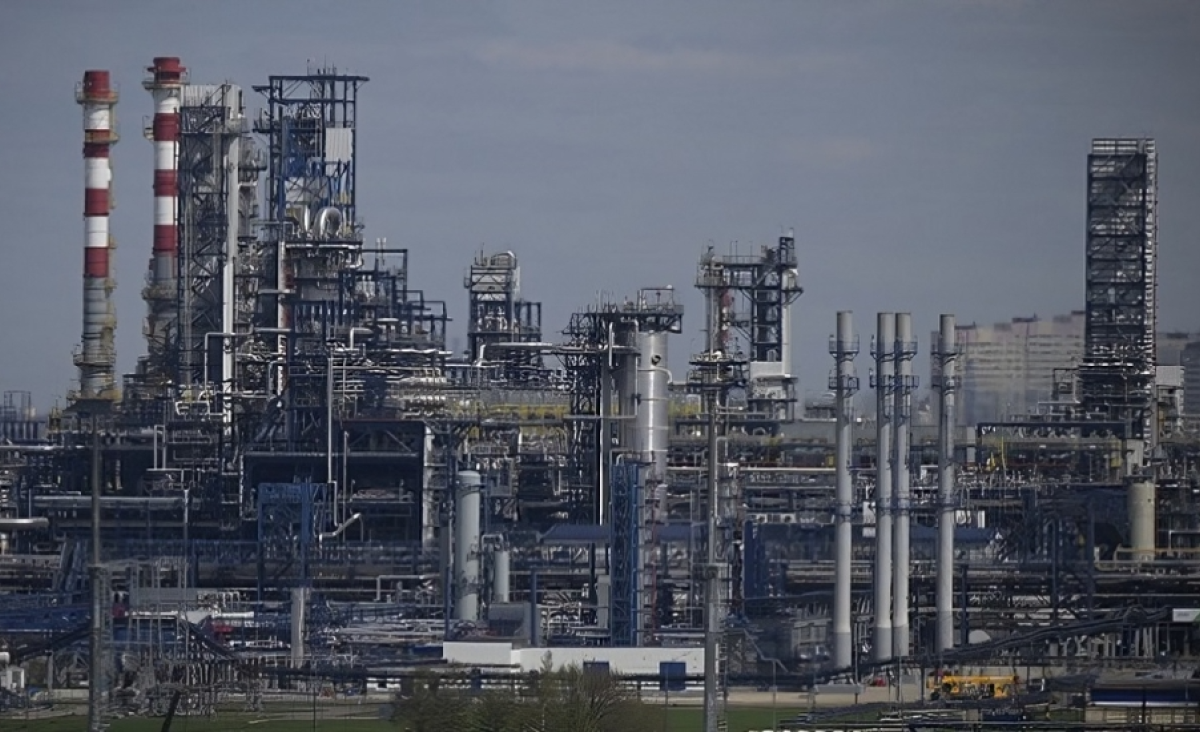
US President Donald Trump on Wednesday escalated trade tensions by announcing a significant increase in tariffs on Indian goods, citing New Delhi’s continued procurement of Russian oil. The decision comes mere hours before a broader wave of tariff increases is set to come into force, marking a critical moment in Trump’s global trade strategy.
Key Tariff Measures on India
| Measure | Details |
| Additional Tariff Imposed | 25% on Indian goods |
| Effective In | Three weeks |
| Total Tariff Level on Some Goods | Rises to 50% (adding to previously scheduled 25%) |
| Exempted Sectors | Steel, aluminium, smartphones, semiconductors, pharmaceuticals |
Trump’s executive order also warned that countries “directly or indirectly” involved in importing Russian oil could face similar penalties. This move is part of Washington’s effort to stifle Moscow’s ability to fund its military campaign in Ukraine.
India’s Ministry of External Affairs issued a sharp rebuke, calling the move:
“Unfair, unjustified and unreasonable.”
Indian officials previously asserted that their pivot to Russian oil was prompted by a redirection of traditional suppliers towards Europe due to the war, and that the United States had initially “actively encouraged” these purchases to help stabilise global energy markets.
Nonetheless, Trump’s administration has since toughened its stance. The President had earlier threatened tariffs as high as 100%, demanding Russia end the war in Ukraine within 50 days or face comprehensive new sanctions.
Meanwhile, India’s National Security Adviser was in Moscow on Wednesday, coinciding with the visit of US envoy Steve Witkoff to New Delhi – a clear signal of diplomatic manoeuvring on both sides.
Analyst Reaction
“This marks a low point in US-India relations,”
— Farwa Aamer, Director, South Asia Initiatives, Asia Society Policy Institute
Aamer noted growing internal pressure on India to conform to US demands but warned that navigating these tensions would prove challenging.
Tariff Turmoil Spreads Globally
Trump’s targeting of India forms part of a wider tariff escalation that includes punitive actions against Brazil, the European Union, Taiwan, Japan, South Korea, and Syria.
Global Tariff Update Snapshot
| Country/Region | Tariff Change | Notes |
| Brazil | Increased from 10% to 50% | Bolsonaro-linked; exemptions include orange juice and civil aircraft |
| European Union | From 10% to 15% | Part of updated “reciprocal” tariffs targeting trade imbalances |
| Japan | From 10% to 15% (on some goods) | Auto tariffs reduced in earlier deal; dispute over investment clauses |
| South Korea | From 10% to 15% | Subject to new reciprocal tariff framework |
| Syria | Tariff hike to 41% | Among highest increases in current wave |
| Switzerland | Facing 39% on select goods | Pharma spared for now; President Keller-Sutter rushed to Washington |
Switzerland has requested a meeting with Trump or senior US officials, though it remains unclear whether such high-level talks will materialise.
Additionally, Brazil has lodged a formal complaint with the World Trade Organization (WTO), challenging the legality of Washington’s new tariffs.
Legal and Diplomatic Repercussions
Trump’s sweeping use of emergency economic powers to impose tariffs has drawn numerous legal challenges, many of which are expected to reach the US Supreme Court. Trade envoys from key allies like Japan and Switzerland are currently in Washington, seeking clarity and concessions.
Trump further stirred debate by commenting on Japanese investments into the United States:
“That’s like a signing bonus that a baseball player would get,” he said.
“It’s our money to invest as we like.” — Donald Trump on CNBC
As tariff deadlines loom and global reactions intensify, trade relations between the United States and its partners are entering a period of heightened instability, with geopolitical and economic ramifications still unfolding.



Comments