Sunday, 5th April 2026

Khabor Wala Desk
Published: 8th January 2026, 7:14 AM
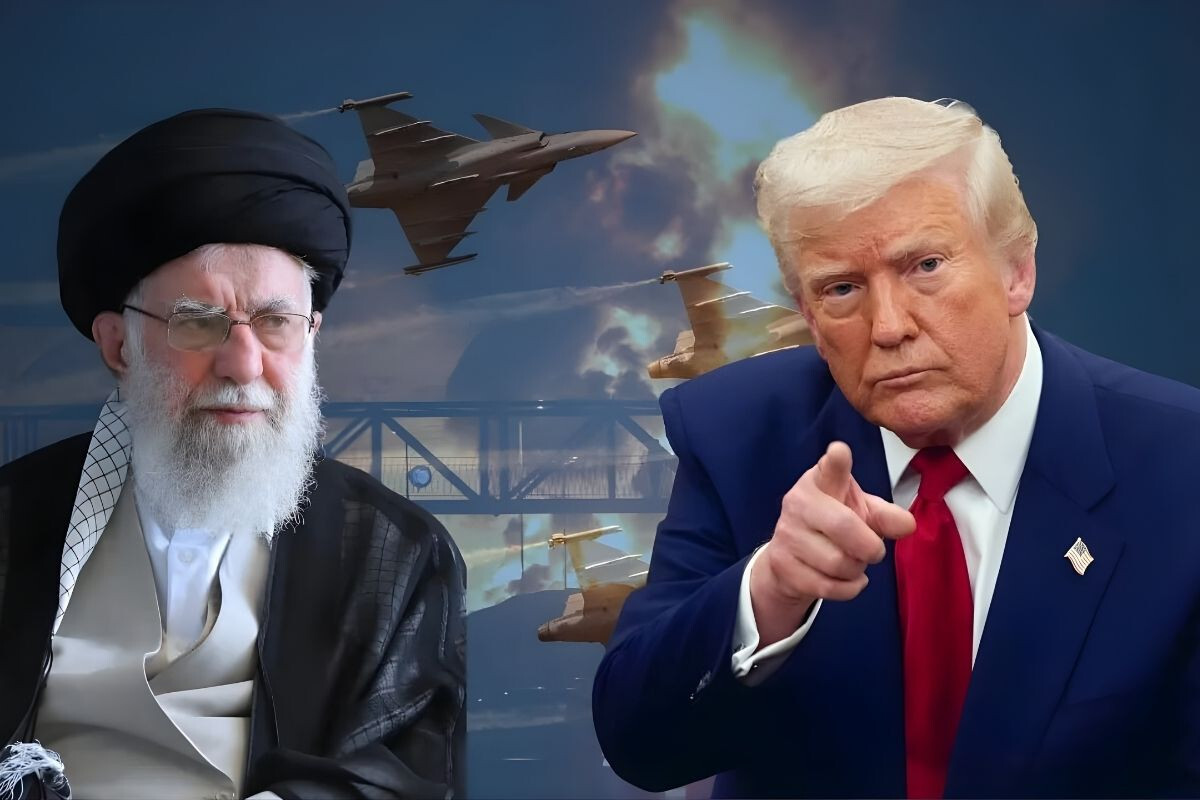
A senior Republican senator has issued a stark warning that former United States President Donald Trump could consider lethal action against Iran’s supreme leader, Ayatollah Ali Khamenei, should Tehran continue its violent crackdown on public protests. The comments, delivered amid mounting unrest inside Iran, have added a new layer of tension to already strained relations between Washington and Tehran.
Speaking in an interview on Tuesday, 6 January, Senator Lindsey Graham said that the Iranian leadership must understand the consequences of using force against its own citizens. Addressing Iran’s clerical establishment directly, Graham declared that if the authorities persist in killing Iranians who have taken to the streets demanding better living conditions and political change, Donald J. Trump would be prepared to “kill you”. Although the remarks were framed as a warning rather than a formal policy statement, they have drawn international attention for their unusually explicit tone.
Graham argued that Iran is on the brink of significant change, describing the current wave of protests as potentially one of the most consequential movements in the modern history of the Middle East. According to him, the unrest reflects deep-rooted economic and political frustrations that can no longer be contained through repression alone.
Iran has in recent months been gripped by widespread and, at times, deadly demonstrations, largely driven by soaring inflation, currency depreciation, unemployment and long-standing grievances over governance. Security forces have responded forcefully in several cities, resulting in casualties and mass arrests. Against this backdrop, US officials have increasingly commented on Iran’s internal situation, framing it as a human rights concern with regional implications.
Donald Trump himself has recently warned the Iranian leadership that Washington would respond “strongly” if protesters were attacked, reinforcing a narrative of external pressure at a time of internal instability. Such statements have been sharply criticised by Iranian officials, who accuse the United States of interference in sovereign affairs.
Inside Iran, the judiciary has signalled a hard line. Chief Justice Gholam-Hossein Mohseni-Ejei has stated that no excuses will be accepted for those who take part in, lead or support what he described as riots. He emphasised that the state would not tolerate disorder, clearly indicating that law enforcement agencies have been given broad authority to suppress unrest.
At the same time, President Masoud Pezeshkian has sought to strike a more conciliatory note. Amid the ongoing protests, he has instructed security forces to avoid indiscriminate repression and to distinguish between peaceful demonstrators and armed agitators. His comments suggest an awareness within parts of the Iranian leadership that excessive force could further inflame public anger and deepen the crisis.
The convergence of sharp rhetoric from Washington and conflicting signals from within Tehran underscores the volatility of the current moment. As protests continue and international scrutiny intensifies, the situation in Iran remains a potential flashpoint with far-reaching regional and global consequences.
Key Statements and Positions
| Actor | Position or Statement |
|---|---|
| Lindsey Graham | Warned that Trump could target Iran’s supreme leader if protesters are killed |
| Donald Trump | Threatened a strong US response to violence against protesters |
| Iranian Judiciary | Promised zero tolerance for protest-related unrest |
| President Masoud Pezeshkian | Urged restraint and distinction between peaceful protesters and rioters |
Comments