Sunday, 5th April 2026

Khabor Wala Desk
Published: 1st August 2025, 4:00 PM
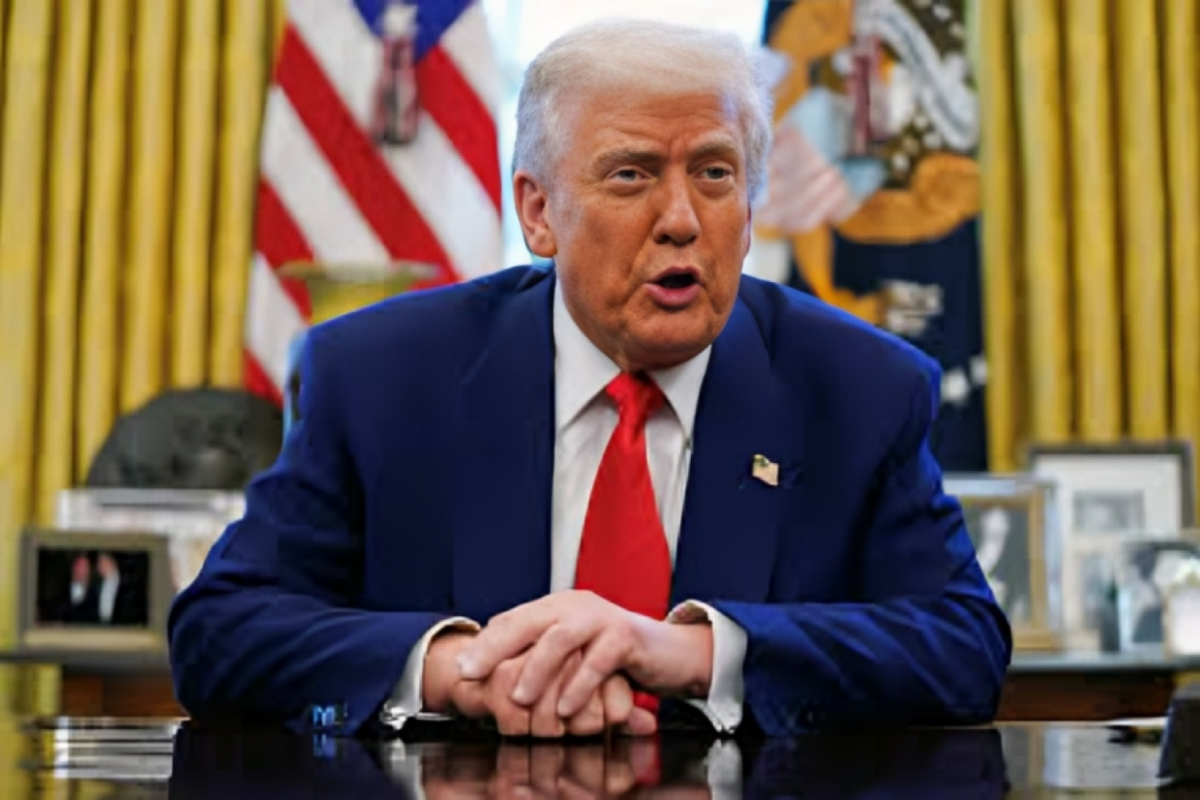
President Donald Trump has issued an executive order to reimpose and expand tariffs on dozens of the United States’ trading partners, in what he describes as a strategic move to reshape global trade to better serve the American economy.
While the measures were initially set to take effect on Friday, the White House has now delayed their implementation by one week, offering a narrow window for renewed negotiations with affected countries.
Tariff Adjustments by Country
| Country | Previous Tariff (%) | New Tariff (%) | Notes |
| Switzerland | 10 | 39 | Increased from initial threat in April |
| Thailand | 36 (threatened) | 19 | Reduction following negotiations |
| Taiwan | 36 (threatened) | 20 | President Lai seeks further reductions |
| Canada | 10 | 35 | Trump open to talks; exempted goods under North American trade pact |
| Mexico | – | 25 (unchanged) | Tariff hike postponed by 90 days following discussions |
| Ecuador, Ghana, Iceland | Not initially targeted | 15 | Newly included in the updated order |
Trump’s directive raises duties that were first imposed in April under the so-called “reciprocal tariffs” strategy, citing unfair trade practices. The new levels vary by country, with rates reaching up to 41 percent in some cases.
Strategic Objectives and Concerns
The administration portrays the tariff hike as a display of economic strength intended to:
However, critics warn of rising inflation and broader economic instability. The tactic has also revived debate over the legality of using emergency economic powers to implement such broad-ranging trade restrictions.
“No doubt about it — the executive order and related agreements concluded over the past few months tears up the trade rule book that has governed international trade since World War II,”
— Wendy Cutler, Vice President, Asia Society Policy Institute
Legal Challenges and Domestic Backlash
On the same day the tariffs were announced, the US Court of Appeals heard legal arguments challenging the President’s authority to enact sweeping tariffs under emergency economic powers. Earlier, a lower court had questioned the legality of Trump’s broader application of these powers.
Trump, however, remains adamant.
“The US economy has no chance of survival or success without tariffs,” he stated.
While customs revenue has reportedly surged this year, economists caution that the long-term inflationary impact remains uncertain. Proponents argue the effect may be transitory, but further economic data will be necessary to make an accurate assessment.
Status of Negotiations
Several countries have secured agreements with Washington, allowing them to avoid the steepest tariffs:
China’s situation remains particularly precarious. Although not included in the immediate tariff increase, it faces an August 12 deadline when previously relaxed duties could be reinstated. Both nations are currently engaged in delicate talks to extend their tariff truce, following years of tit-for-tat escalation.
Broader Geopolitical Impact
The order’s global ramifications are not limited to trade. Canada, for instance, is facing punitive measures after its Prime Minister, Mark Carney, expressed support for recognising a Palestinian state at the upcoming UN General Assembly. Transshipped Canadian goods found attempting to circumvent the 35 percent duty will be subject to even harsher penalties.
Trump’s actions not only mark a dramatic departure from post-WWII trade norms but also signal a more confrontational stance in US economic diplomacy, merging foreign policy and trade in a more intertwined, and at times volatile, manner.
This development underscores the uncertain future of global trade frameworks as countries scramble to adapt to a new, tariff-driven order led by the United States.



Comments