Sunday, 5th April 2026

Khabor Wala Desk
Published: 31st July 2025, 7:14 PM
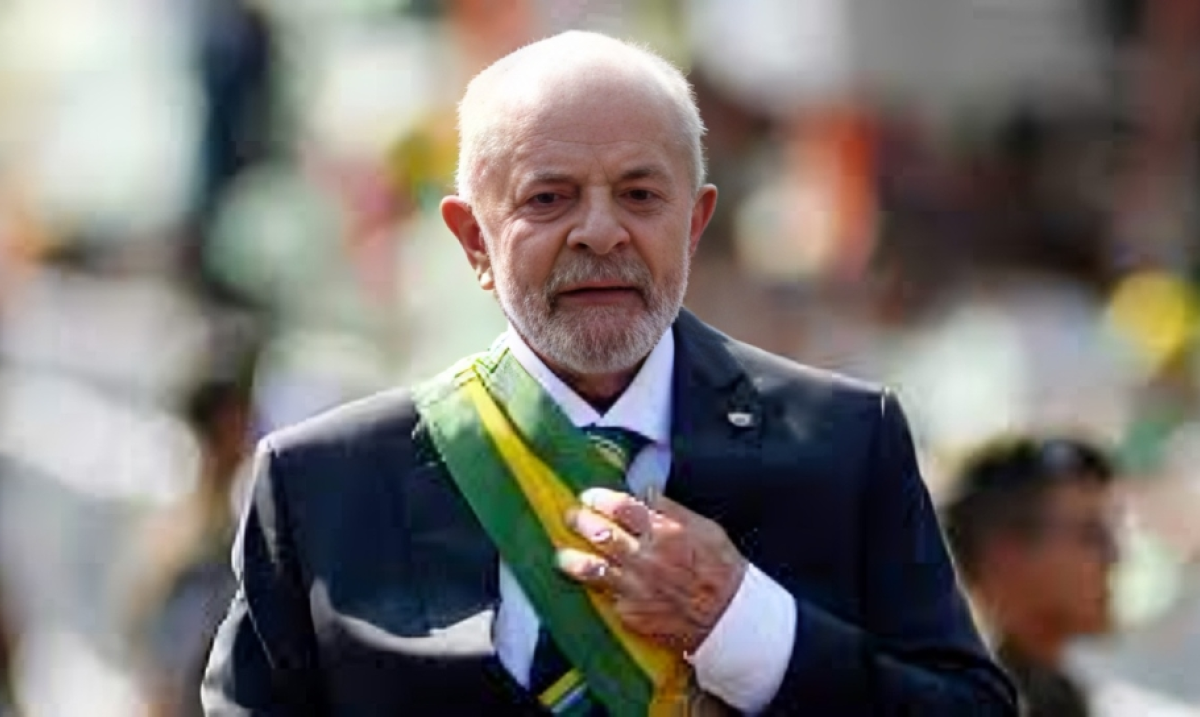
In a sweeping and politically charged move, President Donald Trump has imposed punitive tariffs and sanctions against Brazil, targeting both the nation’s economy and a Supreme Court justice presiding over the trial of Jair Bolsonaro, Trump’s far-right ally and former Brazilian president. Bolsonaro is currently facing charges of orchestrating a coup attempt after losing Brazil’s 2022 presidential election.
Summary of Actions
| Action Type | Details |
| Tariffs Imposed | Total of 50% tariffs, including a new 40% duty on Brazilian imports. |
| Sanctions | Sanctions directly targeting Justice Alexandre de Moraes. |
| Timeline | Tariffs to be implemented in seven days from announcement. |
| Exemptions | Selected items: aircraft, orange juice, Brazil nuts, iron, steel. |
White House Justification
The White House described Brazil’s handling of Bolsonaro’s trial as “politically motivated persecution”, citing:
The US government made clear that Justice Alexandre de Moraes is a central figure in these alleged abuses, with both the Treasury and State Department issuing sanctions against him.
Brazilian Response and Global Criticism
Brazilian President Luiz Inácio Lula da Silva strongly rebuked the US actions:
“We will defend the sovereignty of the Brazilian people in the face of these measures.”
Attorney General Jorge Messias labelled the sanctions “arbitrary and unjustifiable”. Meanwhile, Brazilian Foreign Minister Mauro Vieira stated the judiciary would not bow to external pressure.
Human Rights Watch criticised the US response as:
“A clear violation of judicial independence.
Bolsonaro’s Legal Troubles
Bolsonaro is facing up to 40 years in prison for allegedly attempting to illegally retain power after his electoral defeat. Prosecutors claim the conspiracy included:
Despite US pressure, Brazil has refused to drop the charges. Ironically, Trump’s intervention has led to a surge in domestic support for LuZa.
Profile of Justice Alexandre de Moraes
| Attribute | Details |
| Age | 56 |
| Role | Supreme Court Justice; leading crackdown on disinformation |
| Controversies | Ordered shutdown of X (formerly Twitter) in Brazil during elections |
| Critics | Accused by Bolsonaro supporters of acting like a dictator |
| Supporters’ View | Defender of democracy and constitutional order |
Justice Moraes has become a central figure in Brazil’s judicial push against far-right extremism and misinformation. In 2022, he made headlines for ordering a 40-day suspension of Elon Musk’s X platform in Brazil, citing failure to contain election disinformation.
US Political Rhetoric
US officials issued strong statements backing the sanctions:
“Moraes is acting as judge and jury in an unlawful witch hunt.”
“Serious human rights abuses are taking place under Moraes’ watch.”
Eduardo Bolsonaro, son of the former president, defended the sanctions:
“This is not revenge; it is justice. Authority abuses now have global consequences.”
Legal Basis for US Sanctions
The sanctions are enacted under the Magnitsky Act, a US law targeting foreign officials accused of corruption or human rights violations:
| Sanction Tools | Description |
| Asset Freezing | Blocks all US-based financial and property assets |
| Travel Ban | Prohibits entry into the United States |
Implications Going Forward
The unprecedented targeting of a foreign judge by the US sets a new precedent in geopolitical interference, drawing sharp criticism from international legal experts and rights groups. While Trump’s moves cater to his domestic base and alliance with Bolsonaro, they risk deepening tensions with Latin America’s largest democracy.
Meanwhile, Brazil’s judicial independence remains firm, with no signs of backing down from the high-profile prosecution. The standoff underscores the growing global rift over authoritarianism, judicial integrity, and the politicisation of foreign policy.




Comments