Sunday, 5th April 2026

Khabor Wala Desk
Published: 5th July 2025, 5:41 PM
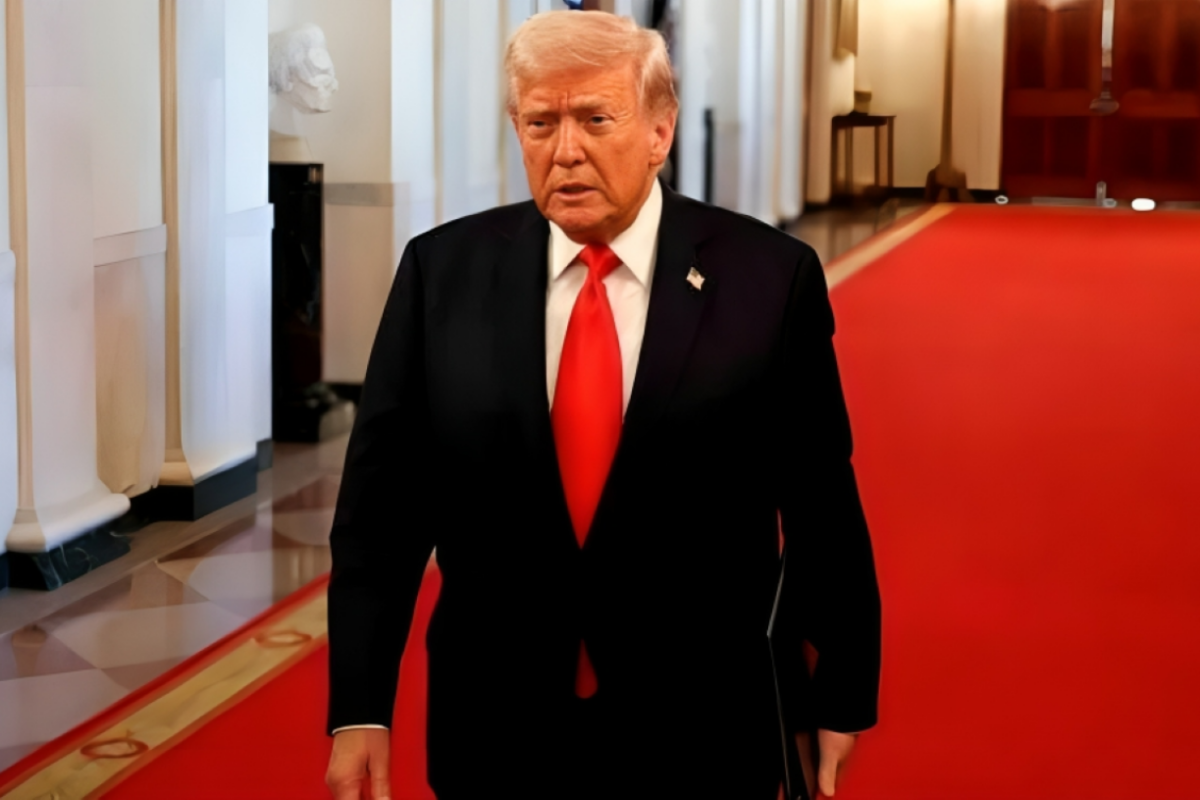
MORRISTOWN, United States – 5 July 2025 (BSS/AFP): United States President Donald Trump announced on Friday that he had signed a dozen trade letters, set to be dispatched on Monday, ahead of the implementation of a new wave of tariffs targeting several global economies.
Speaking to reporters aboard Air Force One, Trump stated, “I’ve signed some letters – probably 12 – and they’ll go out on Monday.” He added that the names of the recipient countries would be disclosed on the same day.
The remarks come just days before a new set of heightened tariffs — ranging from 10 to 70 percent — are scheduled to come into effect. These duties, aimed at economies including Taiwan and the European Union, are part of a wider trade strategy first unveiled in April.
As part of that initial announcement, the Trump administration introduced a blanket 10 percent tariff on imports from nearly all trading partners, with a plan to raise the rates significantly for certain nations. However, the president temporarily suspended the increases until 9 July to allow room for trade negotiations.
Push for Last-Minute Deals
In recent weeks, several countries have been scrambling to reach agreements with Washington to avoid the looming tariff hikes. Thus far, deals have been reached with the United Kingdom and Vietnam. Additionally, the United States and China have agreed to temporarily reduce the exceptionally high tariffs previously imposed on each other’s goods.
President Trump has repeatedly stated that affected countries would be notified of the final tariff rates via formal letters. On Friday, he said this approach was far simpler than engaging in multiple drawn-out negotiations.
“Sending a letter is much easier than sitting down and working through 15 different deals,” he said. “With the UK, we did it, and it was beneficial for both sides. With China, we did it, and I think it’s been good for both.”
Trump further explained the nature of the letters: “We’re essentially saying, ‘We understand there’s a trade imbalance — sometimes a deficit, sometimes a surplus, though not often — and this is what you’ll need to pay if you want continued access to the US market.’”



Comments