Sunday, 5th April 2026

Khabor Wala Desk
Published: 31st March 2026, 10:41 AM
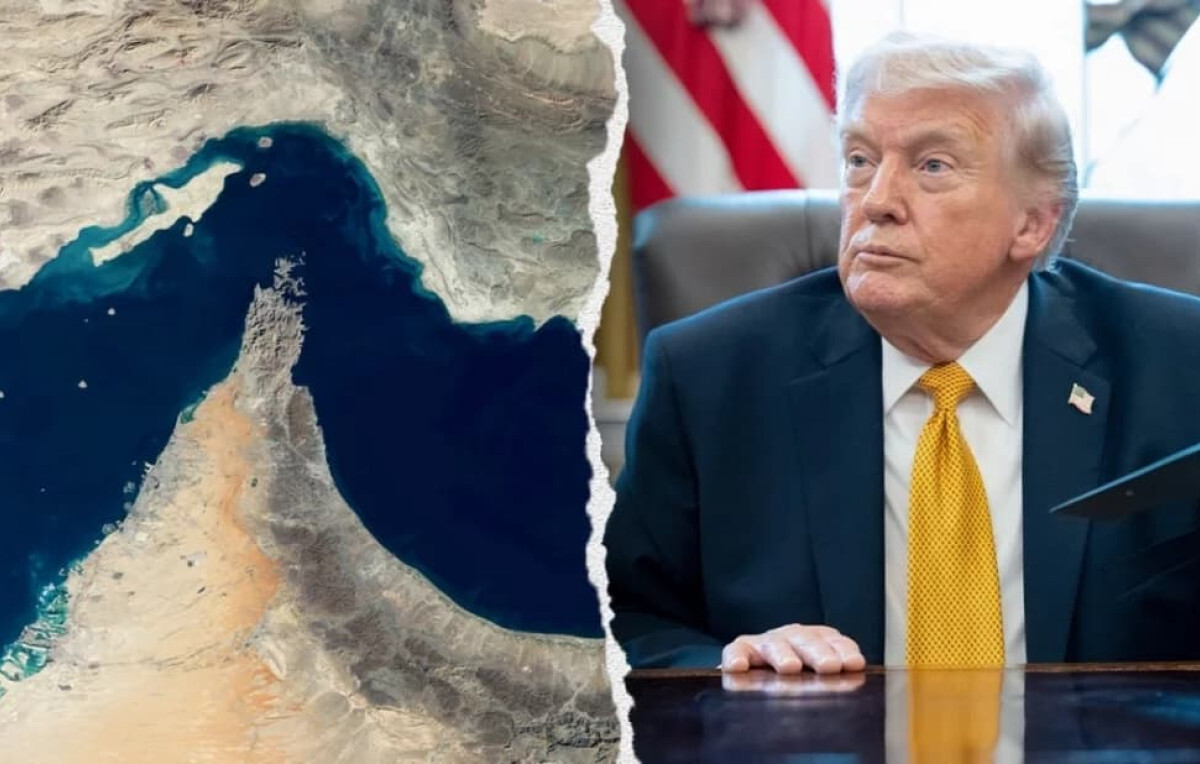
In a significant pivot of American foreign policy, President Donald Trump has signalled his intent to conclude military operations against Iran, even as the strategically vital Strait of Hormuz remains partially obstructed. According to high-ranking administration officials cited by The Wall Street Journal, the President has informed his inner circle that he is prioritising an exit strategy over a protracted maritime conflict.
The White House appears to have concluded that the primary military objectives of the campaign have been met. These goals focused heavily on degrading the Islamic Republic of Iran Navy (IRIN) and dismantling significant portions of Tehran’s ballistic missile infrastructure. With these assets reportedly neutralised, the administration believes the risk of a “forever war” outweighs the benefits of continued kinetic strikes.
A critical factor in this decision is President Trump’s self-imposed timeline. Sources suggest he is wary of any military engagement that exceeds a four-to-six-week window. Forcing the Strait of Hormuz open through sheer military might is now viewed as an “unnecessarily complex and risky” endeavour that could drag the United States into a years-long quagmire, disrupting both political capital and economic stability at home.
The Strait of Hormuz is arguably the world’s most important oil chokepoint. Any prolonged closure threatens global energy security, yet the President seems content to shift the burden of reopening the waterway onto international partners.
| Key Metric | Impact/Detail |
|---|---|
| Global Oil Traffic | Approximately 20–30% of total global oil consumption passes through the Strait. |
| Military Status | Shift from active strikes to “over-the-horizon” containment. |
| Primary US Goal | Destruction of Iranian naval and missile capabilities (Reported as Achieved). |
| Proposed Solution | Multilateral diplomatic pressure and regional ally intervention. |
| Alternative Actors | European Union and Gulf Cooperation Council (GCC) navies. |
Rather than maintaining a unilateral American lead, the Trump administration is exploring a “burden-sharing” model. If diplomatic overtures fail to persuade Tehran to relinquish control of the shipping lanes, Washington intends to hand the operational lead to European and Gulf allies.
This “America First” approach to regional security suggests that while the US will provide intelligence and logistical support, it expects those most dependent on the oil flow—namely European and Asian economies—to take the front-line risks. This has sparked a mixed reaction in foreign capitals; while many welcome the de-escalation of a potential world war, there is profound anxiety regarding the security of commercial vessels without a permanent US carrier group presence.
By de-linking the end of hostilities from the total liberation of the Strait, Trump is creating a new, albeit fragile, geopolitical equilibrium. He is betting that international diplomatic isolation will eventually force Iran’s hand, sparing the US Treasury and military from further exhaustion.
However, critics argue that leaving the Strait under de facto Iranian influence emboldens Tehran and complicates future maritime safety. For now, the global community remains in a state of high alert, watching to see if this shift toward “diplomatic attrition” can maintain peace without triggering a global energy crisis.




Comments