Sunday, 5th April 2026

Khabor Wala Desk
Published: 16th August 2025, 3:34 PM
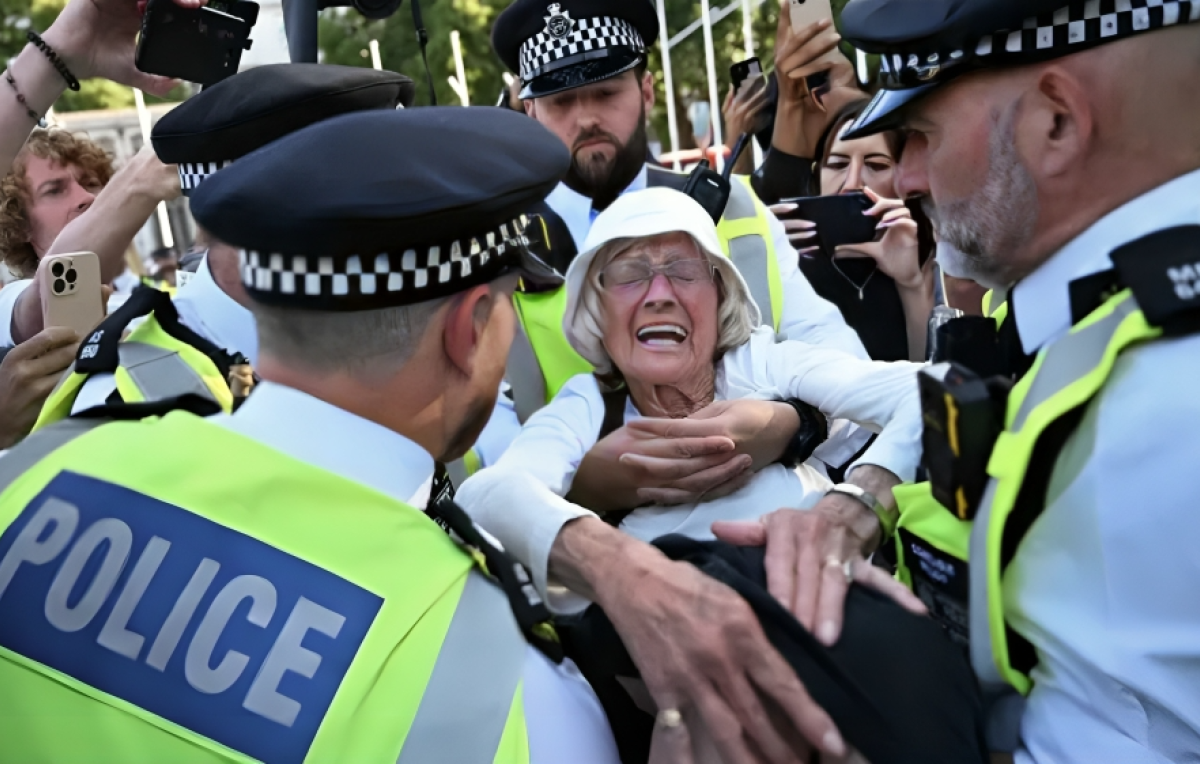
The Metropolitan Police confirmed that at least 60 people will face prosecution for showing support for the recently proscribed group Palestine Action, in addition to three individuals already charged.
Prosecution and Arrest Overview
| Aspect | Details |
| Total expected prosecutions | 60+ individuals |
| Already charged | 3 people |
| Total arrests since ban | Over 700 |
| Largest single protest arrests | 522 people |
| Maximum penalty under Terrorism Act | 6 months imprisonment, plus other consequences |
| Government justification | National security and public safety |
The Met stated: “We have put arrangements in place that will enable us to investigate and prosecute significant numbers each week if necessary.”
Stephen Parkinson, Director of Public Prosecutions, noted: “The decisions that we have announced today are the first significant numbers to come out of the recent protests, and many more can be expected in the next few weeks. People should be clear about the real-life consequences for anyone choosing to support Palestine Action.”
The first three individuals were charged earlier this month with offences under the Terrorism Act after their arrest at a demonstration in July. Police warned that those convicted could face up to six months imprisonment, in addition to other potential penalties.
Met Police Commissioner Mark Rowley praised the swift coordination between police and Crown Prosecution Service teams, saying: “I am proud of how our police and CPS teams have worked so speedily together to overcome misguided attempts to overwhelm the justice system.”
Interior Minister Yvette Cooper defended the Labour government’s decision following the latest mass arrests, emphasising that: “UK national security and public safety must always be our top priority. The assessments are very clear – this is not a non-violent organisation.”
Background on Palestine Action Ban
Human rights organisations and political groups have criticised the ban and the ensuing prosecutions:
| Critic | Concern |
| United Nations | Legal overreach, threat to free speech |
| Amnesty International | Excessive use of terrorism legislation |
| Greenpeace | Potential suppression of peaceful protest |
| UK Liberal Democrats | Deep concern over use of terrorism powers against peaceful protesters |
Critics argue that the proscription may overstep legal bounds and jeopardise rights to lawful dissent, while government officials maintain that the move is essential for public safety and national security.

Comments