Sunday, 5th April 2026

Khabor Wala Desk
Published: 1st February 2026, 12:30 PM
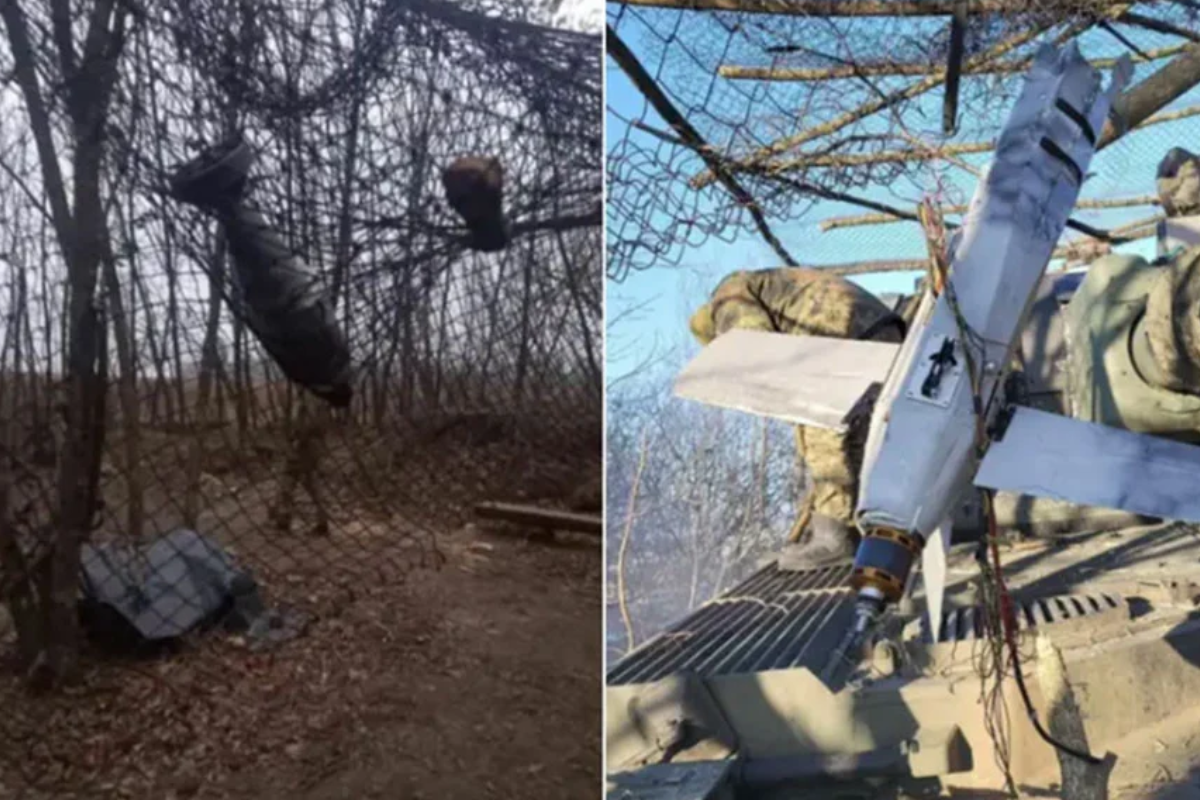
In an innovative defensive measure, Ukrainian forces and civilians are increasingly relying on discarded or unused fishing nets and other types of protective netting to intercept Russian drones. The unusual strategy has been reported by CNN, highlighting the inventive approaches being deployed to safeguard both military and civilian areas.
Russian drone strikes primarily target supply routes and military bases, aiming to isolate frontline units and disrupt Ukraine’s defensive operations. However, the attacks are not confined to military targets alone; hospitals, markets, and other civilian infrastructure have also come under fire. One of the most vulnerable regions is the southern city of Kherson, where vital road links connecting the city to the outside world—dubbed “lifeline roads” by locals—remain under constant threat. Ukrainian authorities are striving to protect these routes from drone assaults as much as possible.
According to Oleksandr Tolokonnikov, Deputy Head of the Kherson Military Administration, “On average, Russia launches approximately 2,500 UAVs (drones) into our region every week. This year alone, drone attacks in the Kherson area have claimed the lives of 120 people.”
Data from the United Nations Human Rights Monitoring Mission in Ukraine reveals that in 2025, conflict-related violence led to at least 2,514 civilian deaths and 12,142 injuries, many occurring far from active frontlines.
Over the past year, the use of nets in Kherson has expanded significantly. Protective netting has been installed over hospital yards, generators, and markets, while poles erected along open roads create netted shelters to intercept incoming drones. Tolokonnikov emphasises that various types of nets have been tested to ensure durability and effectiveness. “Through these measures and decisive action, our armed forces are now able to neutralise between 80 and 95 per cent of Russian-launched drones,” he stated.
Several European volunteer organisations have been instrumental in supplying these nets to Ukraine. Among the largest is Life Guardians, led by Dutch activist Klaas Pot, which has already shipped over 8,000 tonnes of nets, accounting for roughly half of the total nets received.
Volunteer Contributions of Fishing Nets to Ukraine
| Organisation | Country | Nets Supplied (tonnes) | Share of Total Supply |
|---|---|---|---|
| Life Guardians | Netherlands | 8,000 | ~50% |
| Other Volunteers | Various European countries | 8,500 | ~50% |
These shipments, transported by truck across Europe, are essential for reinforcing critical roads and civilian infrastructure against aerial attacks. Analysts note that this unusual yet practical method demonstrates the adaptive strategies Ukraine has employed to protect its population and maintain supply lines amidst continuous drone threats.
As Kherson continues to fortify its defences, the use of nets reflects a broader trend of ingenuity in modern warfare, showing how seemingly ordinary materials can play a crucial role in saving lives and mitigating damage in conflict zones.



Comments