Sunday, 5th April 2026

Khaborwala Online Desk
Published: 24th March 2025, 7:35 PM
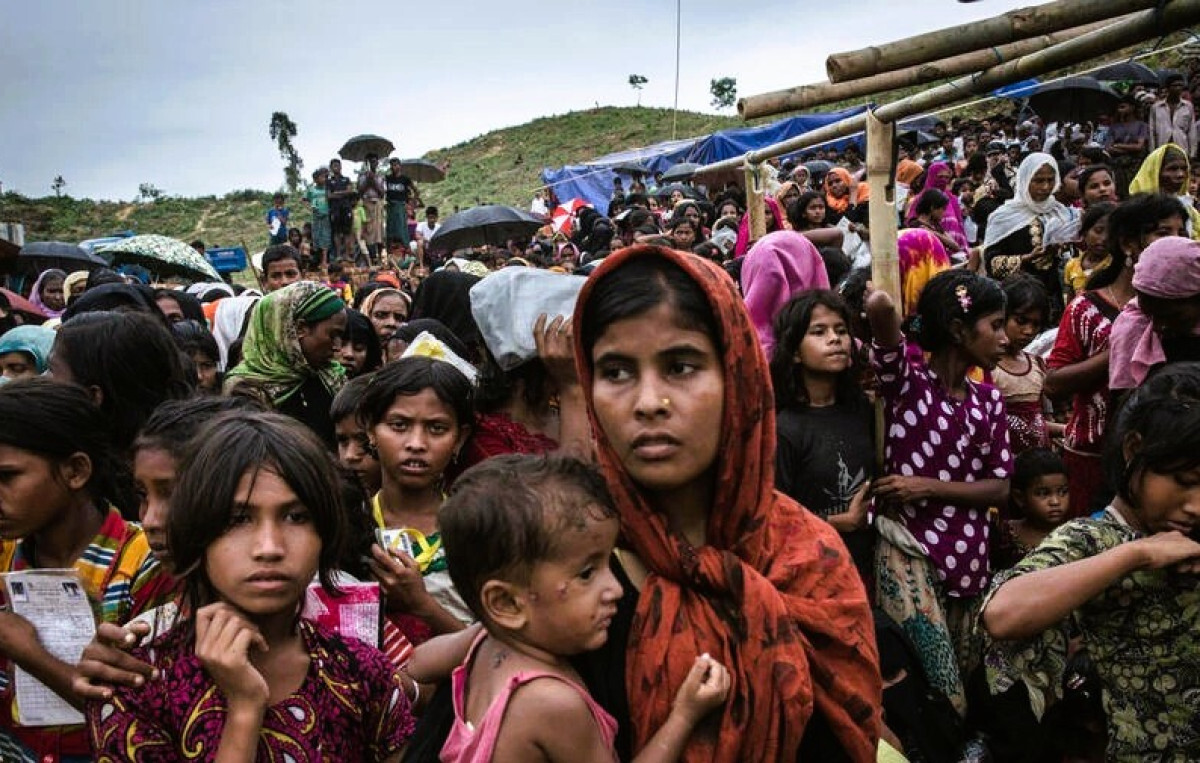
With conflict intensifying in Myanmar and humanitarian needs deepening in Bangladesh’s Rohingya camps, the International Organization for Migration (IOM), UNHCR – the UN Refugee Agency – and over 100 partner organizations launched an urgent appeal today for increased global support to sustain life-saving aid for Rohingya refugees and their host communities.
Launching the 2025–2026 Joint Response Plan (JRP) for the Rohingya Humanitarian Crisis, the agencies are requesting $934.5 million in funding for the first year of this landmark multi-year appeal. The plan, coordinated under the leadership of the Government of Bangladesh, aims to reach 1.48 million people – comprising both Rohingya refugees and vulnerable Bangladeshis in host communities.
The JRP is being officially presented to international donors in Geneva by IOM Director General Amy Pope, UN High Commissioner for Refugees Filippo Grandi, and High Representative of the Chief Adviser of Bangladesh on Rohingya Issues and Priority Affairs, Khalilur Rahman.
Humanitarian agencies warn that resources are stretched thin due to competing global emergencies, while international attention to the protracted Rohingya crisis is waning.
The consequences of underfunding are stark. Any cuts to essential services – such as food assistance, cooking fuel, or basic shelter – could have “dire consequences” for a population that is entirely dependent on aid, the UN agencies warned. In recent years, desperation has already driven many to undertake perilous sea journeys in search of safety.
More than half of the refugee population in Cox’s Bazar – home to the world’s largest refugee settlement – are women and girls, many of whom face heightened risks of gender-based violence and exploitation. Meanwhile, one in three Rohingya refugees is between the ages of 10 and 24, with limited access to education or vocational training.
Until conditions in Myanmar’s Rakhine State allow for a safe, voluntary, and dignified return of the Rohingyas, humanitarian leaders say continued international support remains critical.



Comments