Sunday, 5th April 2026

Khabor Wala Desk
Published: 25th March 2025, 8:45 AM
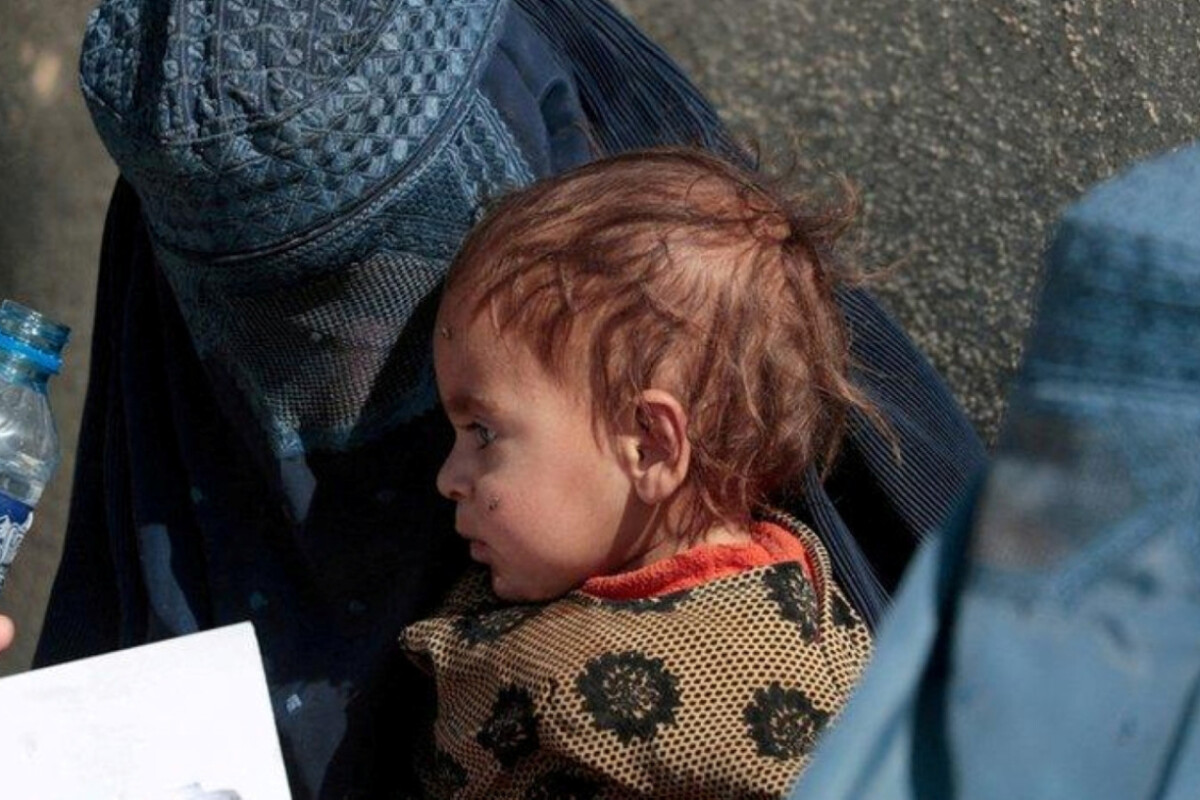
UNITED NATIONS, 25 March 2025 (BSS/AFP) – The United Nations has warned that reductions in international aid could halt decades of progress in reducing child mortality and may even reverse these hard-won gains.
A joint annual report from UNICEF, the World Health Organization (WHO), and the World Bank highlights the potential consequences of declining financial support for global health initiatives. While the report does not single out specific countries, it is released at a time when President Donald Trump’s administration has significantly cut funding for USAID, the United States’ primary overseas aid agency, which previously operated with an annual budget of $42.8 billion.
“The global health community cannot be worried enough at the situation that we are seeing,” said Fouzia Shafique, UNICEF’s Associate Director of Health.
The report warns that the most severe consequences of reduced aid will be felt in regions where child mortality rates are already alarmingly high, such as sub-Saharan Africa and South Asia.
“Simply put, if support for life-saving services is not sustained, many countries can expect a resurgence of newborn and child deaths,” the report states.
According to the report, the number of child deaths under the age of five continued to decline in 2023, reaching a record low of 4.8 million deaths, including 2.3 million newborns under one month old. This marks a 52 percent decrease since 2000 and follows the milestone set in 2022 when child mortality fell below five million for the first time.
Despite this progress, Shafique stressed that “4.8 million is 4.8 million too many.”
Since 2015, advancements in reducing child mortality have slowed, in part due to resources being redirected towards combating COVID-19. The report warns that this trend could set a dangerous precedent.
“Bringing preventable child deaths to a record low is a remarkable achievement. But without the right policy choices and adequate investment, we risk reversing these hard-earned gains,” UNICEF Executive Director Catherine Russell stated.
“We cannot allow that to happen,” she added.
The impact of reduced funding is already being felt in many parts of the world, particularly in overstretched healthcare systems. Countries such as Ethiopia are experiencing a surge in malaria cases but face critical shortages of diagnostic tests, insecticide-treated bed nets, and funding for mosquito control measures.
Wider consequences include a decline in the number of healthcare workers, the closure of clinics, disruptions to vaccination programmes, and shortages of essential medicines, such as treatments for malaria.
A separate report, published by the same organisations, highlights another alarming issue: a stubbornly high rate of stillbirths—babies who die after 28 weeks of pregnancy but before or during birth. In 2023, approximately 1.9 million stillbirths were recorded worldwide.
“Every day, more than 5,000 women around the world endure the heartbreaking experience of stillbirth,” the report states.
Many of these deaths, as well as premature births and infant fatalities, could be prevented with improved maternal care during pregnancy and childbirth, as well as greater access to healthcare services.
Preventable diseases such as pneumonia and diarrhoea remain leading causes of child mortality. Experts stress that strengthening healthcare systems and maintaining investment in basic interventions—such as vaccinations, nutrition programmes, and neonatal care—could save millions of lives.
“From tackling malaria to preventing stillbirths and ensuring evidence-based care for the tiniest babies, we can make a difference for millions of families,” said Dr Tedros Adhanom Ghebreyesus, Director-General of the WHO.
Context:
Global progress in reducing child mortality has long been linked to sustained international cooperation and investment. However, the ongoing withdrawal of aid funding risks deepening inequalities, particularly in low-income countries where public health systems rely heavily on external support. If urgent measures are not taken, the world may witness a resurgence of avoidable child deaths, reversing years of progress in global healthcare.




Comments