Sunday, 5th April 2026

Khabor Wala Desk
Published: 1st August 2025, 3:31 PM
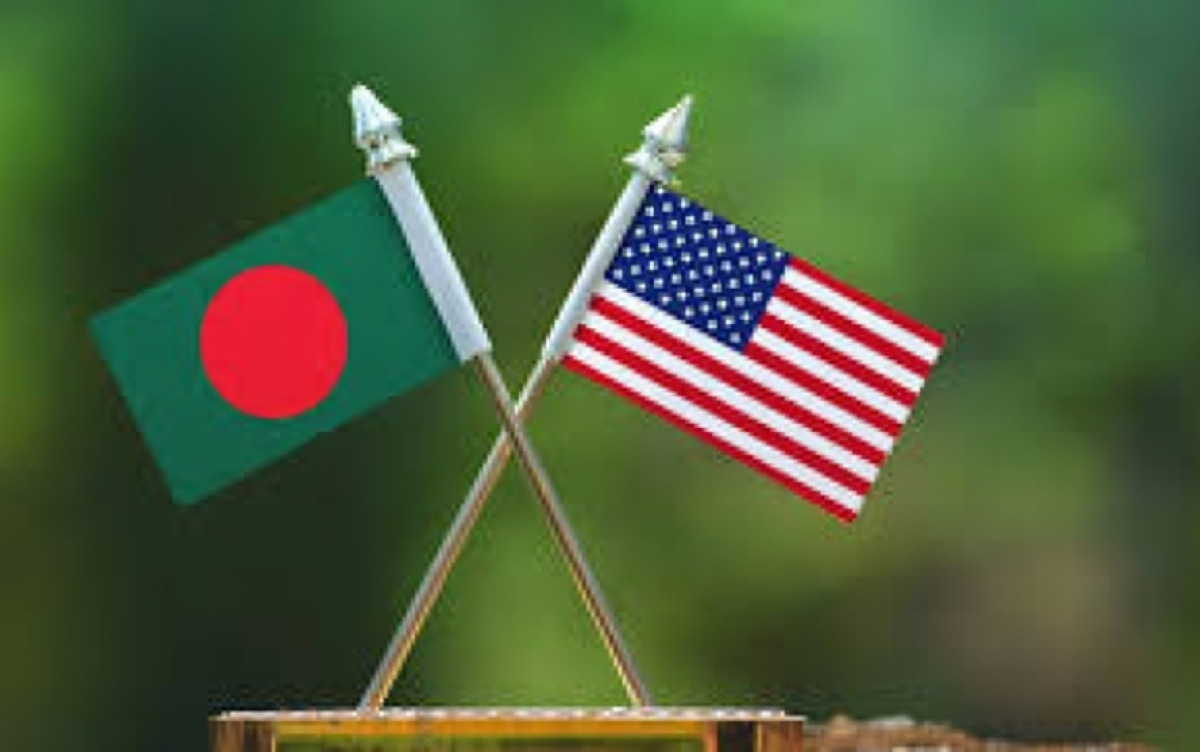
In a significant development for Bangladesh’s export sector, the United States has reduced tariffs on Bangladeshi goods from 35% to 20%, following a final round of intense bilateral negotiations held in Washington, D.C. The decision, officially announced by the White House, brings Bangladesh’s tariff rate in line with key regional competitors and ensures the country’s continued competitiveness in the global apparel market.
Outcomes of the Tariff Negotiation
| Country | Final Tariff Rate | Remarks |
| Bangladesh | 20% | Matches rates of key competitors; avoids punitive 35% tariff |
| Sri Lanka | 19–20% | Similar reduction; competitive parity maintained |
| Vietnam | 19–20% | In line with Bangladesh’s new rate |
| Pakistan | 20% | Equivalent rate for key textile exporter |
| Indonesia | 20% | Parity achieved |
| India | 25% | Failed to reach a comprehensive deal with the U.S. |
The negotiations were led by Dr. Khalilur Rahman, Bangladesh’s National Security Adviser, who headed the delegation to Washington. In a statement issued by the Chief Adviser’s Press Wing, Dr. Rahman emphasised the careful balancing of national interests, industry priorities, and strategic partnerships.
“We negotiated carefully to ensure that our commitments aligned with our national interests and capacity,”
— Dr. Khalilur Rahman
He highlighted that preserving the apparel sector—which employs millions in Bangladesh—was a top national priority, while also emphasising the strategic focus on U.S. agricultural imports to support both domestic food security and stronger relations with American farming states.
“Today, we successfully avoided a potential 35% reciprocal tariff. That’s good news for our apparel sector and the millions who depend on it. We’ve also preserved our global competitiveness and opened up new opportunities to access the world’s largest consumer market.”
— Dr. Khalilur Rahman
Broader Context of the Tariff Announcement
The tariff adjustment came alongside President Donald Trump’s broader announcement imposing tariffs of up to 41% on imports from 70 countries, tied to a looming 1st August deadline for finalising bilateral trade deals. The White House initiative includes not just tariffs, but also domestic policy reforms, trade imbalance rectification, and national security concerns.
Under the executive order signed by President Trump:
Strategic Impact for Bangladesh
This outcome is expected to bolster Bangladesh’s confidence in future trade negotiations and reinforce its position as a leading player in the global apparel industry amid an evolving geopolitical and trade landscape.




Comments