Sunday, 5th April 2026

Khabor Wala Desk
Published: 4th April 2026, 10:47 AM
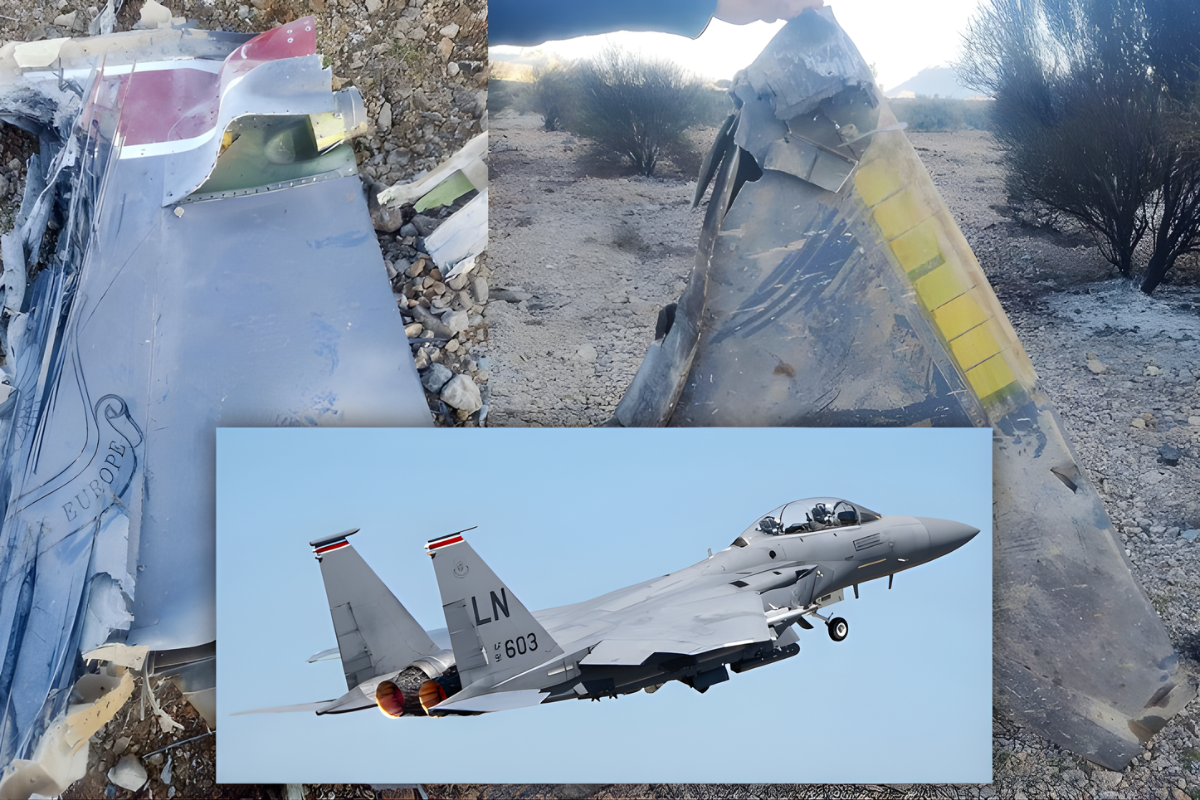
The enduring myth of absolute American aerial dominance is facing a rigorous and costly reality check in the skies over Iran. As the conflict intensifies, the United States military is grappling with a mounting tally of aviation losses that has sent ripples through the international defence community. Recent intelligence and media analyses suggest that the number of confirmed American aircraft destroyed or downed has surged past 16, with some estimates—including heavily damaged units—pushing the total towards a staggering 20 or more.
Reports emerging on 3 April from esteemed outlets such as Reuters, The Washington Post, and The Guardian highlight a particularly bruising period for US forces. Most notably, the loss of an F-15E Strike Eagle within Iranian territory has been confirmed. According to senior officials, while one crew member was successfully recovered in a high-stakes search-and-rescue operation, the second remains missing, casting a somber shadow over the mission’s tactical failures.
The attrition does not stop at high-performance fighters. The same period saw the downing of an A-10 Thunderbolt II, a rugged ground-attack aircraft affectionately known as the “Warthog.” Compounding the disaster, the subsequent rescue helicopters dispatched to the crash site also came under intense fire, underscoring the lethal efficacy of the Iranian integrated air defence network.
The most significant numerical blow to the US arsenal has been felt in the drone sector. The MQ-9 Reaper, long considered the gold standard for surveillance and precision strikes, has proven surprisingly vulnerable. Analysis indicates that at least 10 Reapers have been brought down. Experts suggest the drone’s relatively slow cruise speed and predictable flight patterns make it an “easy” target for Iran’s increasingly sophisticated surface-to-air missile (SAM) batteries.
Estimated US Aviation Losses and Fiscal Impact
| Aircraft Type | Estimated Units Lost | Unit Cost (USD) | Primary Cause of Loss |
|---|---|---|---|
| MQ-9 Reaper Drone | 10+ | $30 Million | SAMs / Electronic Jamming |
| F-15E Strike Eagle | 2–3 | $80–100 Million | Combat Action / Interception |
| A-10 Thunderbolt II | 1 | $25–30 Million | Ground-based Fire |
| KC-135 Stratotanker | 1 | $95 Million | Operational Accident |
| Various Helicopters | 2–4 | $15–40 Million | Rescue Mission Hostility |
The financial toll, while exceeding several billion dollars according to The Wall Street Journal, is secondary to the strategic erosion of US military prestige. The loss of a KC-135 Stratotanker—a critical aerial refuelling platform—is a particularly sharp blow. Without these “flying petrol stations,” the range and endurance of US strike packages are severely truncated, limiting their ability to sustain long-range operations from bases outside the immediate conflict zone.
Furthermore, internal friction has contributed to the chaos. Early reports from the conflict cited “friendly fire” incidents in Kuwait, where American systems mistakenly targeted their own aircraft. Such lapses in command and control suggest that the sheer intensity of Iranian electronic warfare and local interference is degrading the operational synergy the Pentagon usually relies upon.
Iran’s success is attributed to a multi-layered defensive strategy. By combining high-altitude SAMs with mobile, low-altitude air defence units and advanced electronic jaming, Tehran has created a “contested environment” that defies traditional US SEAD (Suppression of Enemy Air Defences) tactics.
As the US adapts to this new reality, the conflict serves as a stark reminder: technological superiority is no longer a guarantee of safety when facing a peer or near-peer adversary who has mastered the art of asymmetric aerial warfare. The battle for the Iranian skies is proving to be the most complex challenge to American airpower in the 21st century.



Comments