Saturday, 4th April 2026

Khabor Wala Desk
Published: 21st March 2026, 6:21 AM
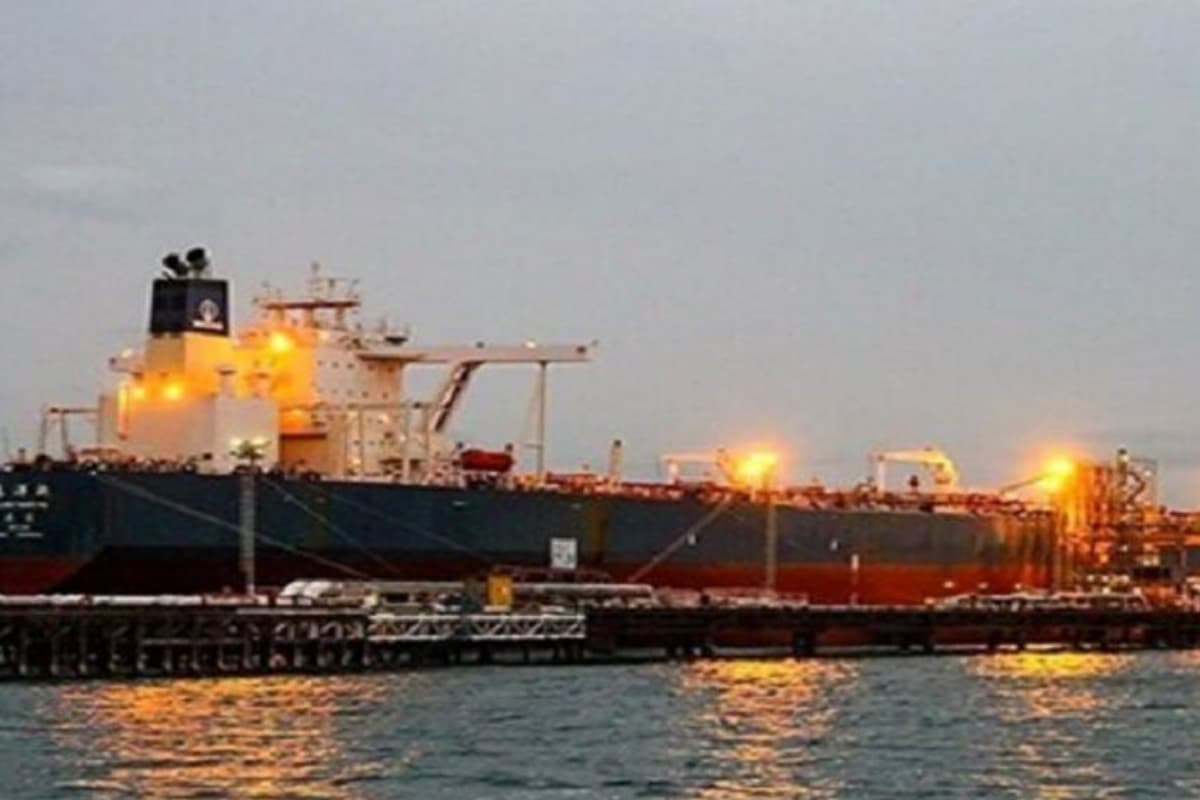
In a significant policy shift, the United States has lifted certain sanctions on Iranian oil, a move primarily aimed at mitigating the adverse impact of ongoing conflicts on global energy markets. Analysts have described the decision as an unprecedented departure from long-standing US policy, though the overall benefits remain uncertain.
Experts caution that the easing of restrictions is unlikely to significantly reduce global fuel prices. On the contrary, some argue it could provide the Iranian regime, already a target of Western military and economic pressures, with an opportunity to generate additional revenue.
Since the outbreak of regional conflicts, disruptions in shipping and oil production have exerted upward pressure on global energy costs. To address this, US Treasury Secretary Scott Baesent announced a targeted, short-term directive permitting the sale of Iranian crude and petroleum products currently loaded onto ships for export.
The directive, effective until 19 April, applies exclusively to oil already on vessels and produced prior to the sanctions easing.
Before recent conflicts, Iran’s primary oil purchaser was China. Due to previous US and allied sanctions, Beijing often acquired Iranian oil at significantly discounted rates. The recent decision is expected to broaden access to other countries, including India, Japan, and Malaysia, and compel China to pay the actual market price.
| Country | Pre-Sanction Purchase Pattern | Expected Impact of Sanctions Easing |
|---|---|---|
| China | Bought at discounted rates | Must pay market price |
| India | Limited imports | Increased access to Iranian oil |
| Japan | Limited imports | Increased access to Iranian oil |
| Malaysia | Minimal imports | Increased access to Iranian oil |
David Tannenbaum, Director of Blackstone Compliance Services, described the move as “peculiar,” noting that allowing Iran to sell oil could indirectly fund military activities.
President Donald Trump has not confirmed whether this initiative will continue beyond the short-term, stating only that “we will do whatever is necessary to keep prices stable.”
While the easing is unlikely to substantially affect overall inflation, it raises concerns regarding the ultimate use of proceeds, as preventing the Iranian government from benefiting financially may prove challenging. Last week, the US also suspended certain restrictions on Russian oil while releasing millions of barrels from domestic reserves to stabilise supply.
The US decision marks a careful balancing act: attempting to alleviate global energy market pressures while managing the risk of indirectly financing Iran’s government amidst ongoing regional tensions.



Comments