Sunday, 5th April 2026

Khabor Wala Desk
Published: 24th January 2026, 12:18 AM
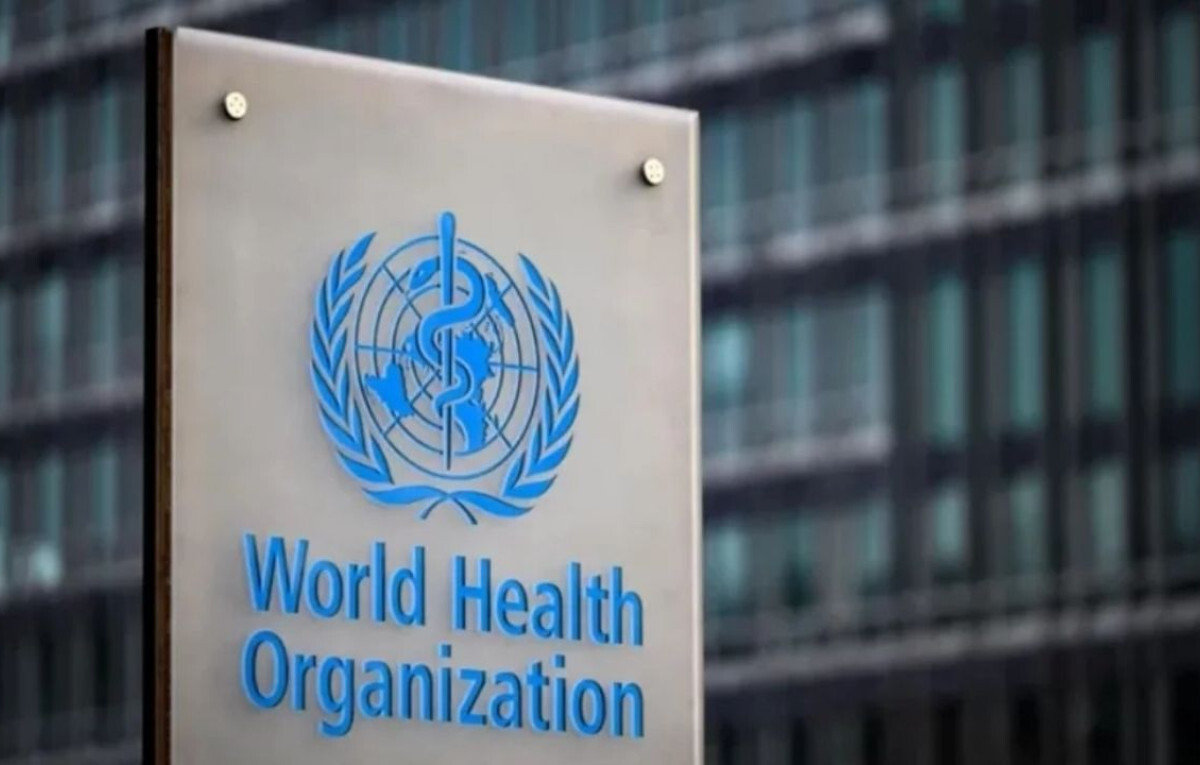
The United States has officially completed its withdrawal from the World Health Organization (WHO), ending a nearly eight-decade-long partnership with the United Nations’ premier health agency. The move, effective as of Thursday, 22 January 2026, fulfills a campaign promise made by President Donald Trump at the onset of his second term.
By exiting the Geneva-based body, Washington has permanently severed ties with its largest historical benefactor, leaving the organization to grapple with a massive financial deficit and a vacuum in global health leadership.
The withdrawal process was initiated on 20 January 2025, through Executive Order 14155. The administration has long accused the WHO of being “China-centric” and failing to hold Beijing accountable for the origins of the COVID-19 pandemic.
In a joint statement released by the Department of State and the Department of Health and Human Services (HHS), Secretary of State Marco Rubio and HHS Secretary Robert F. Kennedy Jr. argued that the WHO had abandoned its core mission. “The WHO tarnished and trashed everything that America has done for it,” the statement read, alleging that the agency’s “bloated bureaucracy” and “political bias” had cost American lives.
| Metric | US Contribution / Impact | Status as of Jan 2026 |
|---|---|---|
| Annual Funding | Approx. $400M–$500M (20% of Budget) | Terminated |
| Outstanding Debt | $260M–$278M (Assessed Dues) | Unpaid/Disputed |
| Staffing | Hundreds of US Experts & Contractors | Recalled |
| Programs Affected | Polio, HIV/AIDS, Maternal Health | Funding Suspended |
| Vaccine Research | Global Flu Surveillance System | Participation Ceased |
The WHO Director-General, Dr Tedros Adhanom Ghebreyesus, has described the departure as a “lose-lose” situation for the world. International health experts warn that the withdrawal will cripple vital initiatives, including the global effort to eradicate polio and the monitoring of emerging viral threats.
Perhaps most critically, the US has ceased participation in the Global Influenza Surveillance and Response System. This platform is essential for identifying circulating flu strains and sharing data needed to develop yearly vaccines. Public health advocates, such as Lawrence Gostin of Georgetown University, warn that “the U.S. cannot wall itself off from transnational health threats,” suggesting that isolationism may leave the American public more vulnerable to future outbreaks.
In place of the WHO, the US government plans to pursue a “results-driven” model of global health security through direct bilateral partnerships. Washington has indicated it will work with specific nations, private sector entities, and faith-based groups to address disease surveillance. However, details on which countries will be prioritized or how these disjointed efforts will coordinate during a global crisis remain scarce.
As the US flag is lowered at the WHO headquarters in Geneva, the global community faces an uncertain future. While the Trump administration frames the exit as a victory for American sovereignty and fiscal responsibility, the rest of the world is left to manage the next pandemic without its most powerful founding member.


Comments