Sunday, 5th April 2026

Khabor Wala Desk
Published: 7th August 2025, 2:37 PM
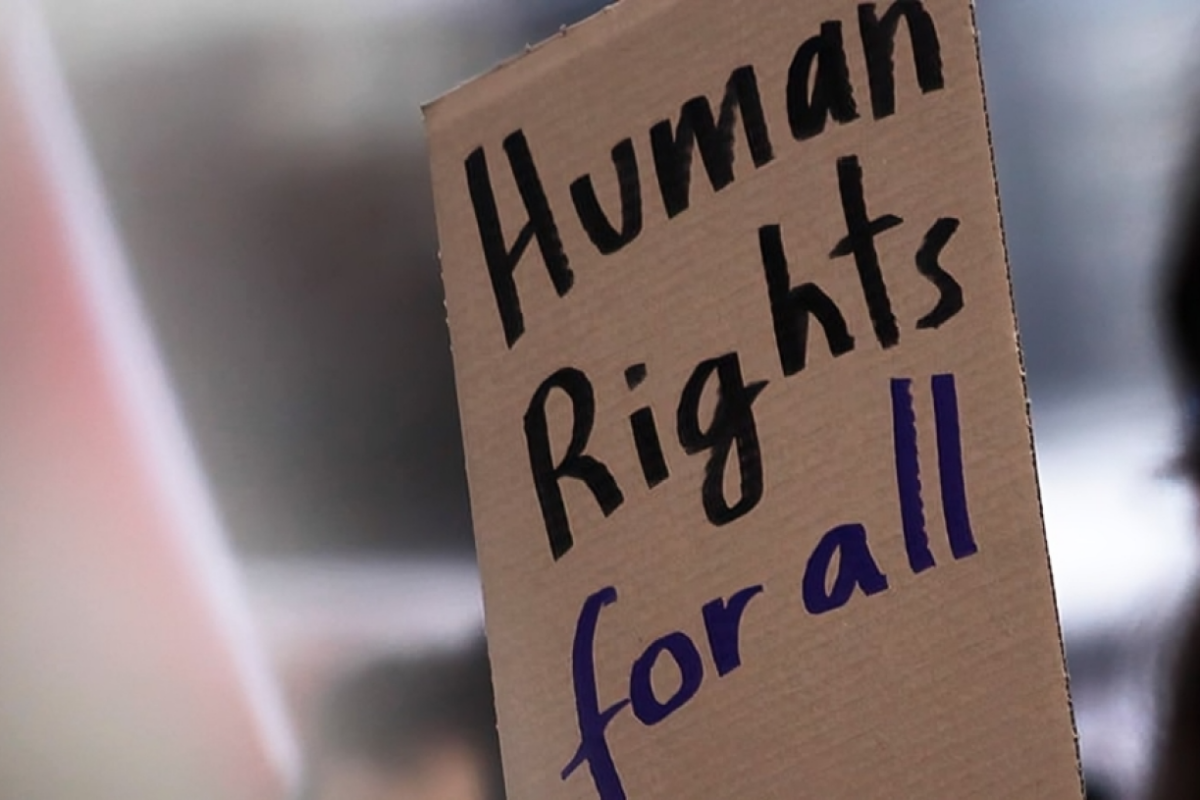
The United States’ annual human rights report will reportedly tone down criticism of El Salvador, Israel, and Russia, according to a report published on Wednesday. Instead, officials are signalling a shift in emphasis towards what they describe as a decline in freedom of expression across Europe.
The report traditionally scrutinises human rights conditions globally, often focusing on the imprisonment of dissidents, violations of women’s rights, and extrajudicial killings in nations with authoritarian regimes — routinely eliciting sharp responses from countries such as China.
However, according to The Washington Post, which claims to have reviewed leaked drafts, the first human rights report issued under President Donald Trump is expected to minimise concerns over abuses in countries seen as politically aligned with his administration.
Summary of Alleged Changes in Human Rights Report Focus
| Country | Previous Focus in Reports | Reported 2024 Focus | Notable Omissions or Reductions |
| El Salvador | Mass arrests, prison abuse, migrant handling | “No credible reports of significant human rights abuses” | Truncated criticism despite ongoing concerns |
| Israel | Occupation-related rights issues, Gaza blockade | Significantly shortened section | No detailed coverage reported |
| Russia | Political persecution, press restrictions | Abuses still mentioned, but in abridged form | Less emphasis compared to previous years |
Official Justifications and Shift in Focus
A senior official from the US State Department stated the upcoming report would place greater emphasis on what the White House deems as “censorship” occurring within traditional allied nations. The official, speaking anonymously, remarked:
“We are not shying away… in this administration, from having frank discussions with our partners and allies about what we see as censorship or disfavoured voices, whether it be political or religious, and making sure that they’re protected whether they are in the mainstream or not.”
The official added: “Freedom of expression is one that has really been on the… I would say, has been reversing in some countries, and so we’re having those frank conversations to make sure that the fundamental value of human freedom of expression is protected.”
However, no specific examples were cited to substantiate claims of a shrinking space for free speech in Europe. The Trump administration and its allies have frequently complained that conservative viewpoints are being marginalised or suppressed.
Political Interference and Reaction from Lawmakers
Criticism has already emerged over the perceived politicisation of the report.
Last week, opposition lawmakers expressed concern that the report risks becoming a mouthpiece for Trump’s political messaging, rather than a serious tool for assessing human rights abuses globally. They cautioned that any dilution in its content would severely undermine its integrity.
“For decades, the State Department’s Human Rights Reports have provided critical insight into human rights conditions in countries around the world and have helped inform American foreign policy,” said Democratic Senator Chris Van Hollen.
“The Trump Administration’s actions to water down and politicise these reports undermine their very purpose and damage the credibility of the Department itself.”
Political Developments Abroad
The controversy over the report coincides with political turbulence in Europe. Ahead of upcoming elections in Germany, US Vice President JD Vance drew criticism for publicly endorsing the far-right Alternative für Deutschland (AfD), a party that Germany’s domestic intelligence agency classifies as “extremist.”
This move further raised questions about the administration’s foreign policy priorities and its alignment with populist, nationalist political movements overseas.
Report Delay and Internal Restructuring
The report, which is usually published early in the calendar year, has yet to be given a release date. According to officials, the delay is due to ongoing “restructuring” efforts aimed at making the document “more readable”.
Despite these changes, rights groups and international observers warn that minimising genuine abuses—particularly in politically aligned countries—risks undermining the credibility and purpose of what has historically been one of the State Department’s most respected annual publications.
Comments