Sunday, 5th April 2026

Khabor Wala Desk
Published: 29th January 2026, 11:30 PM
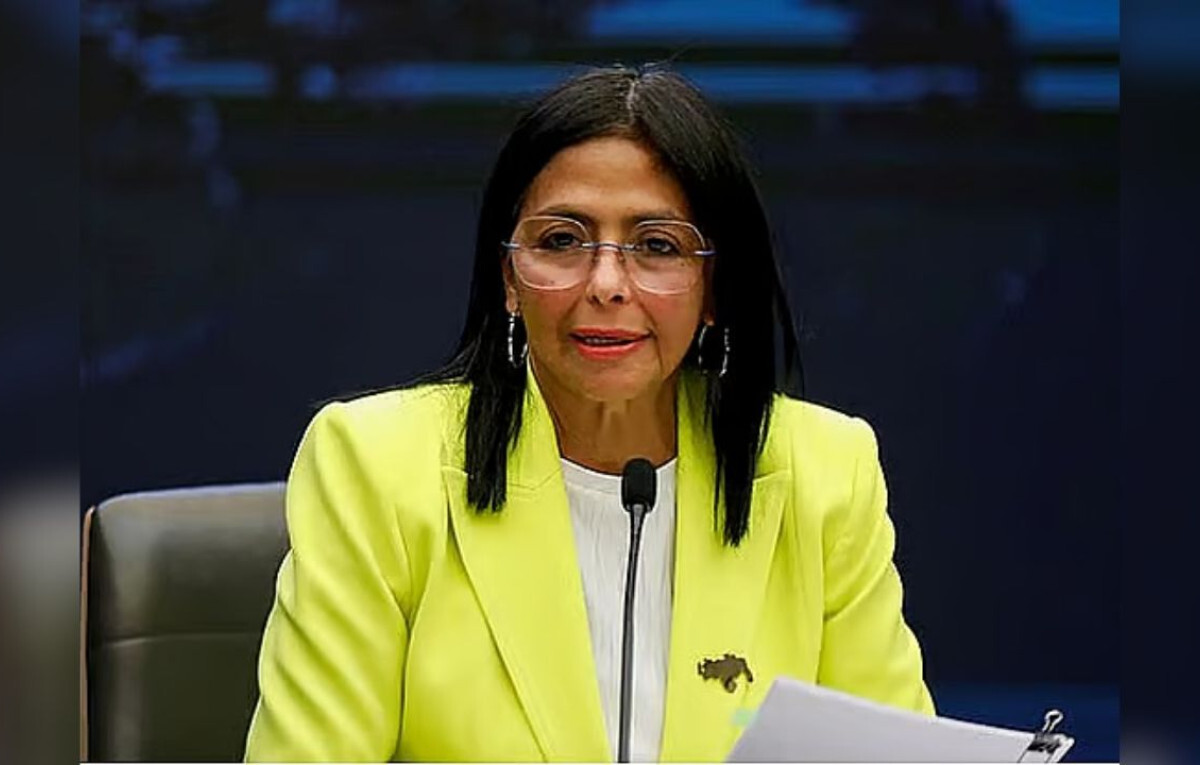
Washington’s strategic gambit in Caracas is facing a period of profound uncertainty as United States intelligence agencies express significant doubt over whether Delcy Rodríguez, Venezuela’s interim president, will truly pivot away from her former allies. According to four sources familiar with recent classified assessments, the Trump administration is concerned that Rodríguez remains ideologically and diplomatically tethered to adversaries such as Russia, China, and Iran.
Since assuming the presidency following the dramatic capture of Nicolás Maduro by US forces on 3 January, Rodríguez has occupied a precarious middle ground. While Washington has publicly demanded that she sever ties with Tehran, Beijing, and Moscow—and expel their respective diplomats and military advisers—Rodríguez has yet to issue a formal declaration of divorce from these long-standing partners.
The presence of representatives from these “adversary nations” at her inauguration earlier this month has only deepened the unease within the Central Intelligence Agency (CIA). Officials fear that while Rodríguez offers a cooperative face to the West, her administration may continue to facilitate the interests of US rivals in the Western Hemisphere.
The Trump administration’s primary objective is the total erosion of anti-US influence in South America, coupled with the restoration of Western investment in Venezuela’s vast energy sector.
| Metric | US Strategic Requirement | Current Status |
|---|---|---|
| Energy Exports | Sale of 30–50m barrels of oil to the US | Authorised by Rodríguez |
| Military Presence | Removal of Russian and Cuban advisors | Ongoing/Uncertain |
| Political Reform | Release of political prisoners | Significant progress made |
| Economic Pivot | Repayment of Chinese debt through US investment | Under negotiation |
Despite her authorization of substantial oil sales to the US, Rodríguez has privately and publicly expressed “annoyance” at the level of American intervention. During a speech last Sunday, she hinted at a desire for sovereign autonomy that contradicts Washington’s vision of a compliant partner.
The intelligence reports also cast a cold light on María Corina Machado, the prominent opposition leader. Despite her popularity at the White House and her perceived legitimacy following the disputed 2024 elections, intelligence analysts suggest she is currently “incapable” of governing the country effectively. This assessment is rooted in her lack of influence within the Venezuelan military and the state-run oil industry—two pillars of power that Rodríguez, as a former Maduro loyalist, still commands.
While President Trump has indicated he wishes to see Machado “involved” in the leadership—perhaps in a senior advisory role—the long-term plan remains fluid. Washington is reportedly maintaining discrete communication with senior military officials as a contingency should Rodríguez prove to be an unreliable ally.
For now, the White House continues its “maximum pressure” campaign, balancing a public show of support for Rodríguez with a private, rigorous vetting process that will determine the future of Venezuelan-American relations.



Comments