Sunday, 5th April 2026

Khabor Wala Desk
Published: 2nd April 2026, 11:43 AM
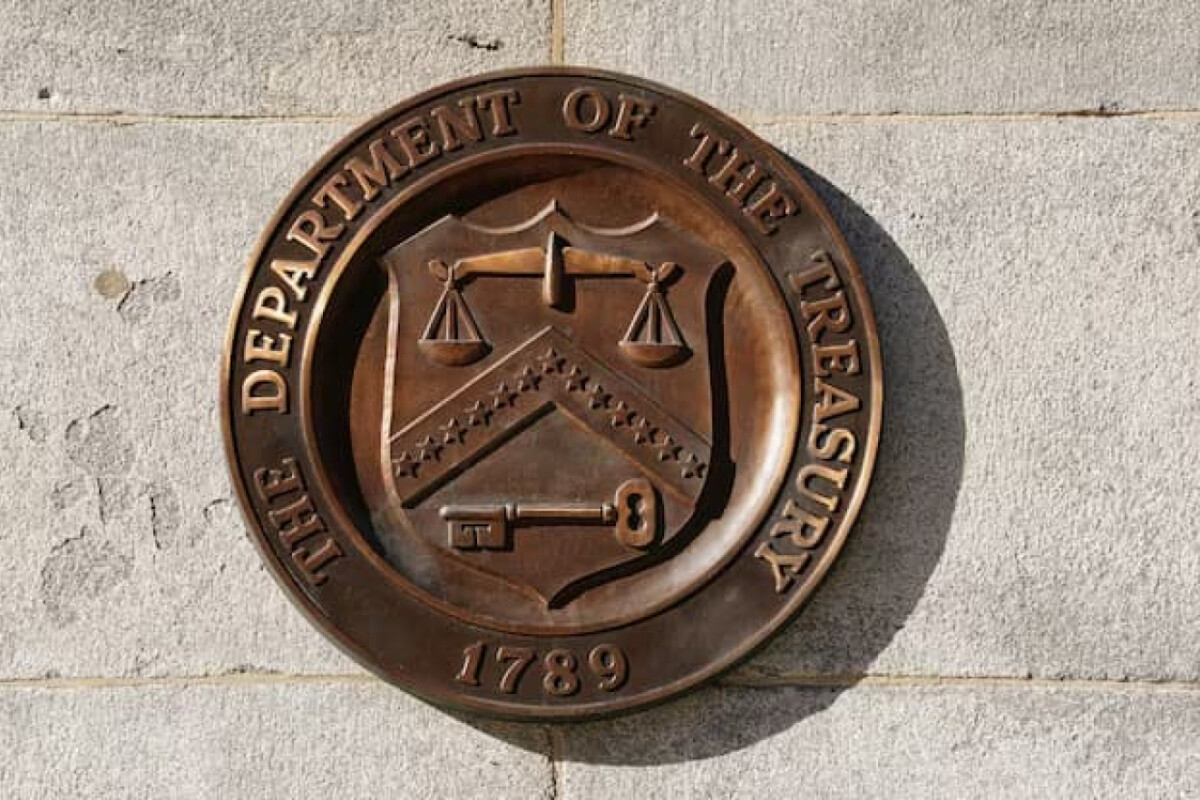
April 1, 2026 – The U.S. Treasury Department announced on Wednesday that it will convene a series of meetings with both domestic and international insurance regulators to examine recent developments in private credit markets. The initiative comes amid mounting concerns over the health of the $2 trillion non-bank lending sector and its potential ripple effects across broader credit markets.
According to a Treasury statement, the meetings are scheduled to begin this month and continue into early May. They will provide a platform for participants to review recent market events, assess emerging risks, evaluate risk management practices, and discuss sector outlooks. “This initial series of meetings will foster more regular communication with state insurance regulators, who are the primary overseers of the insurance industry, and will lay the foundation for ongoing close collaboration,” the statement said.
Treasury officials are particularly interested in regulators’ feedback on the following issues:
| Focus Area | Description |
|---|---|
| Fund-Level Leverage | Assessing the rising use of leverage by private credit funds |
| Private Credit Ratings | Consistency and reliability of credit ratings |
| Offshore Reinsurance | Impact of international reinsurance arrangements |
| Investment Liquidity | Availability of liquid assets and constraints on redemptions |
Concerns over liquidity, transparency, and lending discipline have increasingly unsettled investors in the private credit sector, which primarily consists of non-bank lenders such as private equity funds and asset managers. Recent high-profile bankruptcies, including auto-parts supplier First Brands and car dealership Tricolor—both of which involved exposure to private credit lenders—have further weighed on investor sentiment.
These anxieties have reverberated through financial markets in recent weeks. Several major U.S. banks have tightened lending standards, while private funds have imposed caps on redemptions as investor withdrawal requests surged. The situation has prompted debate over whether the current challenges represent isolated incidents or signal potential systemic risks.
Bank of England Governor Andrew Bailey cautioned against dismissing private credit failures as one-off events, warning that the sector’s opacity could amplify financial shocks in a manner reminiscent of the 2008 global financial crisis. In contrast, St. Louis Federal Reserve President Alberto Musalem noted that U.S. financial conditions remain “broadly accommodative,” suggesting that stress in private credit markets is largely contained within the sector and does not indicate wider economic vulnerabilities.
The Treasury’s forthcoming discussions are seen as a critical step in improving oversight, promoting transparency, and coordinating with regulators to mitigate risks in the rapidly expanding private credit market.




Comments