Sunday, 5th April 2026

Khabor Wala Desk
Published: 30th March 2026, 6:31 AM
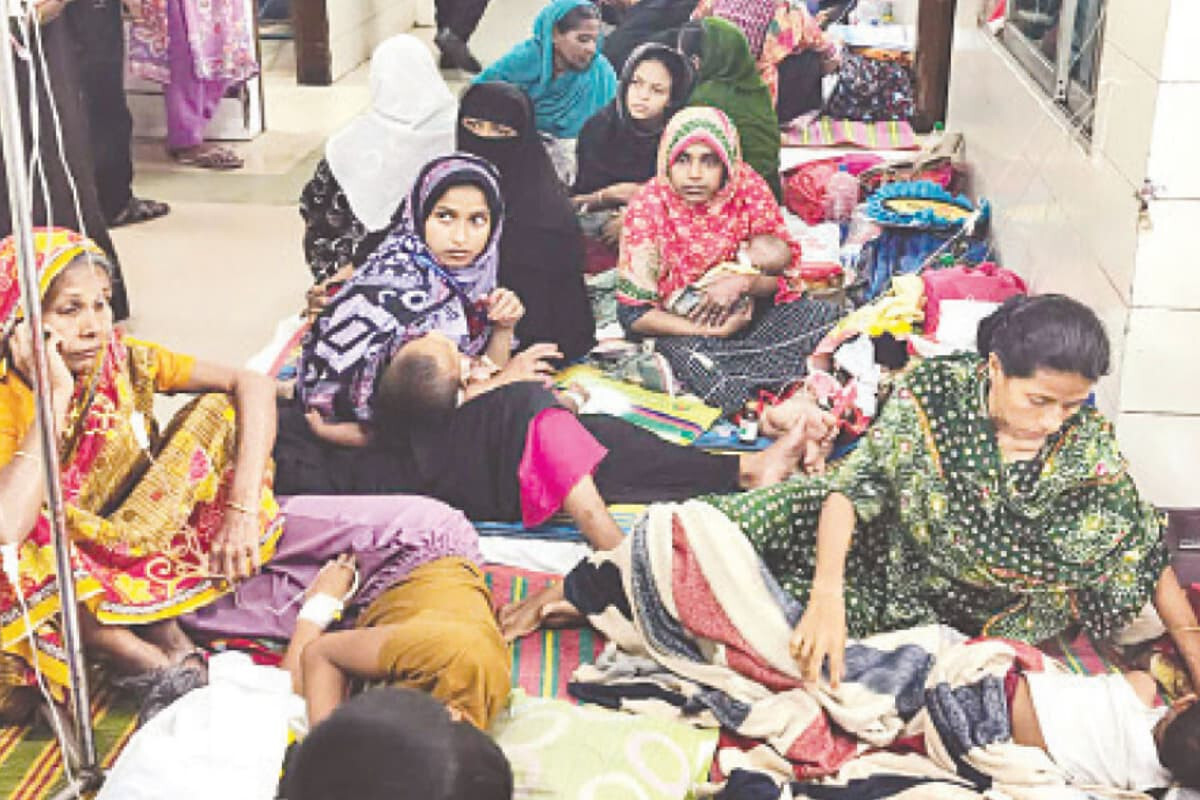
A resurgence of measles has been reported across the country, particularly in the capital and several other districts. Alarmingly, children under one year of age are bearing the brunt of the outbreak. Experts attribute the situation to systemic mismanagement within the healthcare sector, interruptions in vaccination campaigns, and limitations in service delivery.
According to the Expanded Programme on Immunisation (EPI), nearly two crore doses of the Measles-Rubella (MR) vaccine arrived in the country in February this year but remain largely unused due to shortages of trained personnel, essential equipment, and logistical support.
The crisis traces back to August 2024, when political transitions led to a temporary halt in health sector programmes. Subsequently, the government procured MR vaccines from the revenue budget in December 2024, sufficient to cover needs until June 2025. Following this period, vaccine supply was disrupted, leaving children without timely immunisation for nearly nine months.
Many infants under one year have not received protection against measles or rubella, and numerous children aged 18 months have not completed their second MR dose. The government initiated the MR immunisation programme in 1988, and it has traditionally been conducted in two doses: the first at nine months and the second at fifteen months.
Dr. Mohammad Shahriar Sajjad, Deputy Director of EPI, stated: “Last month, Gavi, the global vaccine alliance, supplied two crore MR vaccine doses to Bangladesh. However, a lack of recruitment, training of staff, syringes, and adequate funding has prevented timely vaccination. We have formally informed Gavi and hope to receive necessary logistical and financial support soon.”
Meanwhile, the Ministry of Health has allocated nearly 600 crore taka to address the current shortage. Health Minister Sardar Mohammad Sakawat Hossain Bakul highlighted the tragic situation at Rajshahi Medical College Hospital, where 33 children died in the past 11 days, primarily due to ventilator shortages or equipment failures.
| Districts with Reported Cases | Notable Details |
|---|---|
| Dhaka | High number of cases, patients treated at Infectious Diseases Hospital |
| Mymensingh | 106 admissions this month, 5 deaths |
| Rajshahi | Over 100 affected, 12 deaths this month |
| Pabna | Rising patient numbers |
| Chattogram | Increased hospital visits |
| Jashore | Moderate case numbers |
| Natore | Moderate case numbers |
| Narayanganj | Patients referred to Dhaka hospital |
| Narsingdi | Patients referred to Dhaka hospital |
| Gazipur | Patients referred to Dhaka hospital |
| Bhola | Patients referred to Dhaka hospital |
| Patuakhali | Patients referred to Dhaka hospital |
Public health experts emphasise that disruptions in routine EPI vaccination campaigns are the primary driver of the outbreak. Dense populations, malnutrition, incomplete immunisation, and a high proportion of unvaccinated children have accelerated virus transmission. Approximately 30–35% of EPI positions remain vacant, further hindering effective vaccine delivery.
Dr. Nizam Uddin, Chairperson of Gavi’s constituency steering committee, warned: “Children who missed scheduled vaccinations over the past year are at the highest risk. Until the supply chain and workforce issues are addressed, outbreaks are likely to continue.”

Comments