Sunday, 5th April 2026

Khabor Wala Desk
Published: 22nd July 2025, 1:45 PM
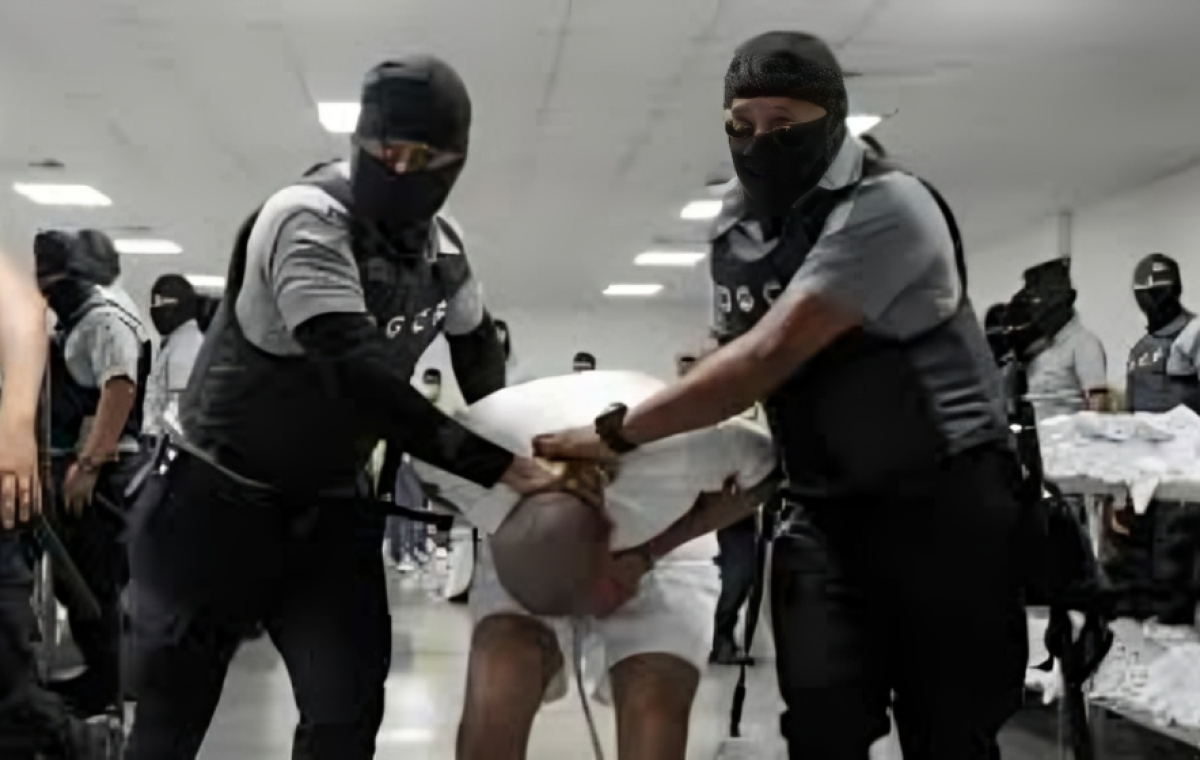
Venezuela has announced an investigation into allegations of torture suffered by 252 migrants who were sent to a notorious Salvadoran prison, after they claimed to have been beaten, sexually abused, and subjected to harsh conditions. The migrants, deported from the United States, described experiences of physical and psychological abuse during their detention in the Central American country.
Torture Allegations and Photos Presented
On Monday, Venezuela’s Attorney General, Tarek William Saab, presented photos and testimonies at a press conference in Caracas, detailing the abuse endured by several men detained in the CECOT prison in El Salvador. The detainees recounted being subjected to severe mistreatment, including physical violence, sexual assault, and degrading treatment.
Among those presenting testimony was Andry Hernandez Romero, a 32-year-old beautician, who described his ordeal as part of the U.S. President Donald Trump’s controversial migrant crackdown. Hernandez recounted his experience in a video shown by Saab, stating:
“We were going through torture, physical aggressions, psychological aggressions. I was sexually abused.”
In his statement, Saab confirmed that the Venezuelan authorities were conducting interviews with the returned migrants. Many reported being held in “inhuman cells” with no access to sunlight, ventilation, or proper hygiene. Additionally, they were reportedly given spoiled food and unsafe drinking water, with no access to legal representation or contact with their families.
Shocking Conditions and Family Reunions
The abuse occurred after these men were accused of being gang members by U.S. authorities and were deported to El Salvador in March. Trump’s administration invoked wartime laws to expedite their deportation, bypassing judicial hearings and subjecting them to what many consider to be gross violations of human rights.
Many of the deported migrants were shackled, their heads shaved, and publicly displayed by President Nayib Bukele’s government upon their arrival at the Salvadoran prison. The images triggered international condemnation, particularly regarding the lack of legal processes or protections for the migrants.
On Monday, the men had not yet been reunited with their families, though authorities confirmed that the men were undergoing medical examinations, being issued new Venezuelan ID cards, and being interviewed by the prosecutor’s office. Among the migrants was Mervin, a 29-year-old man from Maracaibo, northern Venezuela, whose mother, Mercedes Yamarte, had eagerly awaited his return.
Yamarte prepared a welcome celebration, with balloons and banners, not knowing when her son would arrive. Late Monday, she received a phone call from her son:
“Mom, it’s Mervin,” he said.
Yamarte, overwhelmed with emotion, replied: “I hadn’t heard my son’s voice in four months and seven days. Listening to him was a joy I cannot describe.”
Allegations of Human Rights Violations and International Outcry
The men, who had been accused of gang affiliations by U.S. authorities, were flown to El Salvador in March, part of a broader effort to target gang members, following a directive from President Trump. The treatment of these migrants sparked outrage from human rights organisations and governments around the world, calling it a violation of international law and human rights.
In light of the migrants’ mistreatment, Saab announced that Venezuela would be pursuing legal action against President Bukele and other Salvadoran officials for alleged crimes against humanity. He also called for action from the International Criminal Court (ICC) and the UN Human Rights Council.
Diplomatic Exchange and Controversial Involvement of President Bukele
The Venezuelan government claimed that the migrants were freed last Friday and flown back to Venezuela as part of a broader deal with the United States, which reportedly involved the release of 10 Americans and dozens of Venezuelan political prisoners. President Nicolás Maduro, during his TV show, suggested that Bukele had attempted to prevent the migrants’ departure at the last moment.
“You could not stop the first plane, but for the second plane, he put some car on the runway… to provoke either an accident or prevent them from leaving,” Maduro said.
Venezuelan opposition leader María Corina Machado referred to the entire process as an “exchange of prisoners of war,” further complicating the diplomatic relations between Venezuela and El Salvador.
Venezuela Under Investigation by the ICC
While Venezuela is investigating the treatment of these migrants, the country itself is facing an ongoing investigation by the ICC in The Hague over similar allegations of torturing prisoners and denying them access to legal representation. Human rights group Foro Penal has highlighted the continued detention of hundreds of political prisoners in Venezuela, many arrested during protests last year.
In July 2023, the Venezuelan government launched a brutal crackdown on protests following allegations that Maduro had rigged the elections. This crackdown led to the arrest of 2,400 individuals, with 28 killed and over 200 injured.
| Event | Details |
| Number of migrants involved | 252 |
| Initial deportation to El Salvador | March 2023 |
| Main allegations | Torture, sexual abuse, denial of basic needs |
| Venezuelan investigation launched | Monday, October 30, 2023 |
| Release of migrants | Last Friday, October 27, 2023 |
| Ongoing ICC investigation into Venezuela | In progress regarding human rights violations |
Comments