Sunday, 5th April 2026

Khabor Wala Desk
Published: 9th March 2025, 6:05 AM
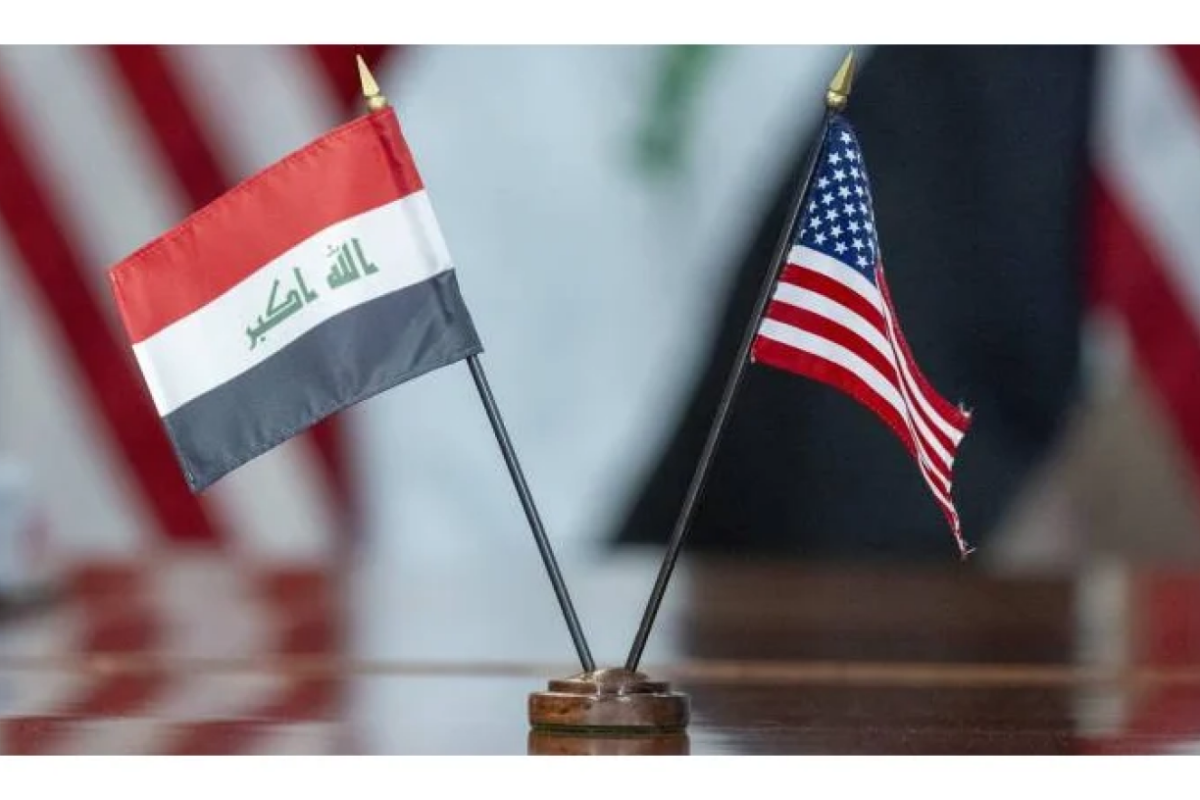
BAGHDAD, 9 March 2025 (BSS/AFP) – The United States has decided not to renew a sanctions waiver that previously allowed Iraq to purchase electricity from neighbouring Iran, a spokesperson for the US embassy in Baghdad confirmed on Sunday.
Despite its vast oil and gas reserves, Iraq remains reliant on imports to meet its energy demands, with Iran supplying approximately one-third of the country’s gas and electricity consumption.
“On 8 March, the US Department of State declined to renew the waiver permitting Iraq to buy Iranian electricity,” the embassy spokesperson stated, emphasising that the move ensures “we do not grant Iran any form of economic or financial relief”.
The statement, however, made no reference to Iranian gas imports, which are vital for Iraq’s domestic electricity production.
The waiver was initially introduced in 2018 when Washington reimposed sanctions on Tehran after then-President Donald Trump withdrew from the Iran nuclear deal during his first term in office.
Since his return to the White House in January, Trump has reinstated his “maximum pressure” strategy against Iran.
“The President’s maximum pressure campaign is aimed at ending Iran’s nuclear ambitions, restricting its ballistic missile programme, and preventing it from funding terrorist groups,” the US embassy spokesperson asserted.
Branding Iran “an unreliable energy supplier”, the spokesperson urged Baghdad to “eliminate its dependence on Iranian energy sources as soon as possible”.
Iraqi government spokesperson Bassem al-Awadi, speaking to state media on Saturday, assured that authorities had prepared “for all scenarios” in anticipation of the waiver’s expiration.
Baghdad has consistently highlighted the necessity of diversifying its energy sources to reduce its reliance on Iran and to mitigate Iraq’s chronic power shortages, particularly during the scorching summer months.
Background Context:
Iraq’s energy dependency on Iran has long been a point of geopolitical contention, particularly with Washington. While the US seeks to limit Iran’s economic influence, Iraq faces the challenge of balancing its energy needs with diplomatic pressures.
Over the years, Iraq has attempted to explore alternative energy solutions, including agreements with Gulf nations and investments in renewable energy projects. However, infrastructural limitations and security concerns have hindered progress, leaving the country vulnerable to power crises, especially during peak seasons.
The latest US decision places additional pressure on the Iraqi government to accelerate efforts towards energy independence while navigating its complex ties with both Washington and Tehran.



Comments