Sunday, 5th April 2026

Khabor Wala Desk
Published: 8th March 2026, 2:05 PM
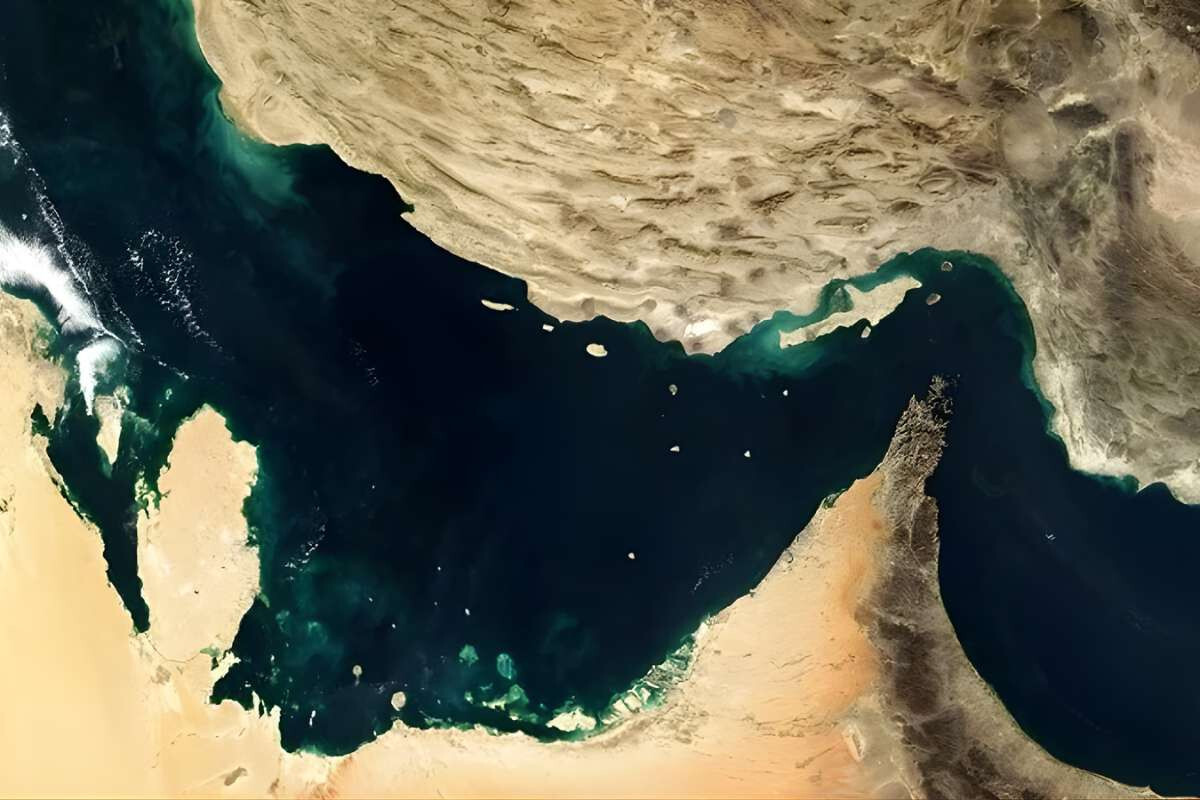
The escalating conflict between the United States and Israel and the closure of the Strait of Hormuz by Iran have intensified global energy tensions, drawing international headlines for soaring oil prices. Yet, amidst this focus on hydrocarbons, a far more critical and less discussed crisis is emerging: water scarcity. Analysts warn that the ongoing war could push Iran, and potentially the wider Middle East, into a severe water emergency, with profound socio-economic consequences.
Iran is already one of the world’s most water-stressed countries. Experts note that decades of drought, low rainfall, and over-extraction of underground aquifers have left the nation’s reservoirs dangerously depleted. According to the Indian Council of World Affairs, several of Iran’s major reservoirs were expected to run almost dry by 2025, a result of years of reduced inflows and excessive withdrawals.
The agricultural sector is particularly vulnerable. Over 90% of Iran’s water consumption is devoted to farming, often through inefficient irrigation systems that waste vast amounts of water. The ongoing conflict threatens to further disrupt water sources, which could directly affect food production and daily life. Geopolitical Monitor reports that shrinking rivers and drying lakes have already reduced agricultural output and forced some rural communities to migrate to urban areas, increasing environmental stress and raising the risk of internal unrest.
| Key Indicators | Status in Iran |
|---|---|
| Percentage of water used for agriculture | 90%+ |
| Number of major reservoirs nearly depleted | Several by 2025 |
| Impact on rural populations | Forced urban migration |
| Expected social impact | Protests, instability |
Water scarcity is increasingly recognised as a geopolitical instrument. The CIA has labelled water in the region a “strategic commodity,” warning that prolonged hostilities could elevate water to a central element of conflict between the U.S. and Iran.
The Persian Gulf region relies heavily on desalination plants, which have become a critical lifeline. Since the 1970s, nearly 450 desalination facilities have been established, converting seawater into potable water for arid Gulf states. Yet these plants remain vulnerable to attack. Iran’s military strikes have already damaged key infrastructure, causing fires and operational interruptions.
Saudi Arabia’s Jubail Desalination Plant exemplifies the risk. Serving the capital Riyadh via a 500 km pipeline, it provides over 90% of the city’s potable water. According to a 2008 WikiLeaks cable, Riyadh’s functioning depended heavily on this facility. Other Gulf states—including Kuwait, Qatar, Bahrain, the UAE, and Oman—similarly rely on desalinated water, rendering them acutely susceptible to disruption in any escalation of conflict.
The conflict, therefore, threatens to transform from an oil-driven confrontation to a “water war,” highlighting that in the Persian Gulf, water may ultimately be the most valuable resource.




Comments