Sunday, 5th April 2026

Khabor Wala Desk
Published: 17th February 2026, 9:42 AM
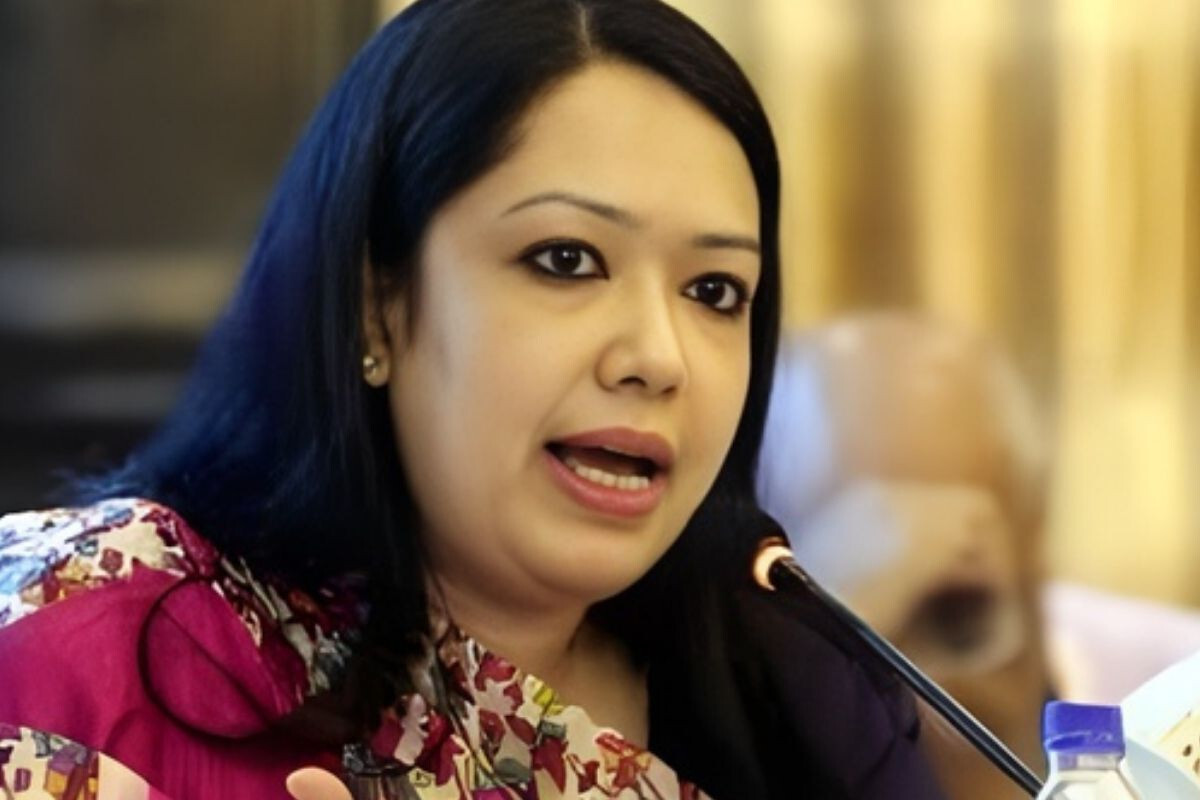
In a recent commentary on Bangladesh’s parliamentary elections, political analysts have highlighted concerns over representative legitimacy. Notably, in the previous three national elections, the Bangladesh Nationalist Party (BNP) was absent, leading many to describe those parliaments as largely one-sided.
“This time around, it is the Awami League that is not participating,” one analyst remarked. “From this perspective, nearly 30 per cent of the Bangladeshi population is effectively unrepresented. In essence, I do not see a significant difference from past instances.”
The discussion has reignited debate over voter agency and democratic inclusivity. The analyst argued that if all parties had been allowed to contest, the electorate could have expressed their approval or rejection through the ballot itself. “Why do we seem to trust the people’s vote so little?” they questioned. “The electorate consistently provides an accurate reflection of public sentiment. It is imperative that they are given this opportunity.”
This viewpoint underscores a persistent challenge in Bangladeshi politics: balancing electoral participation with credible representation. Historically, voter turnout and party participation have fluctuated based on political boycotts, security concerns, and election-day logistics. Analysts suggest that a truly representative parliament must account for both active participation and the inclusion of all significant political voices.
A comparative look at recent parliamentary compositions highlights this pattern:
| Election Year | Major Party Absent | Notable Outcome | Representation Gap |
|---|---|---|---|
| 2014 | BNP | One-sided parliament | ~30% of electorate unrepresented |
| 2018 | BNP | Dominant single-party rule | ~30% of electorate unrepresented |
| 2026 | Awami League | Potential opposition-led absence | ~30% of electorate unrepresented |
Observers emphasise that the legitimacy of any parliament is strengthened when all major parties participate and voters are empowered to make choices freely. Allowing full participation not only affirms the democratic process but also ensures that citizens’ voices are accurately reflected in governance.
The ongoing debate reflects a broader conversation in Bangladesh about political inclusivity, electoral fairness, and the essential trust placed in the voter’s choice.


Comments