Sunday, 5th April 2026

Khabor Wala Desk
Published: 30th January 2026, 11:08 AM
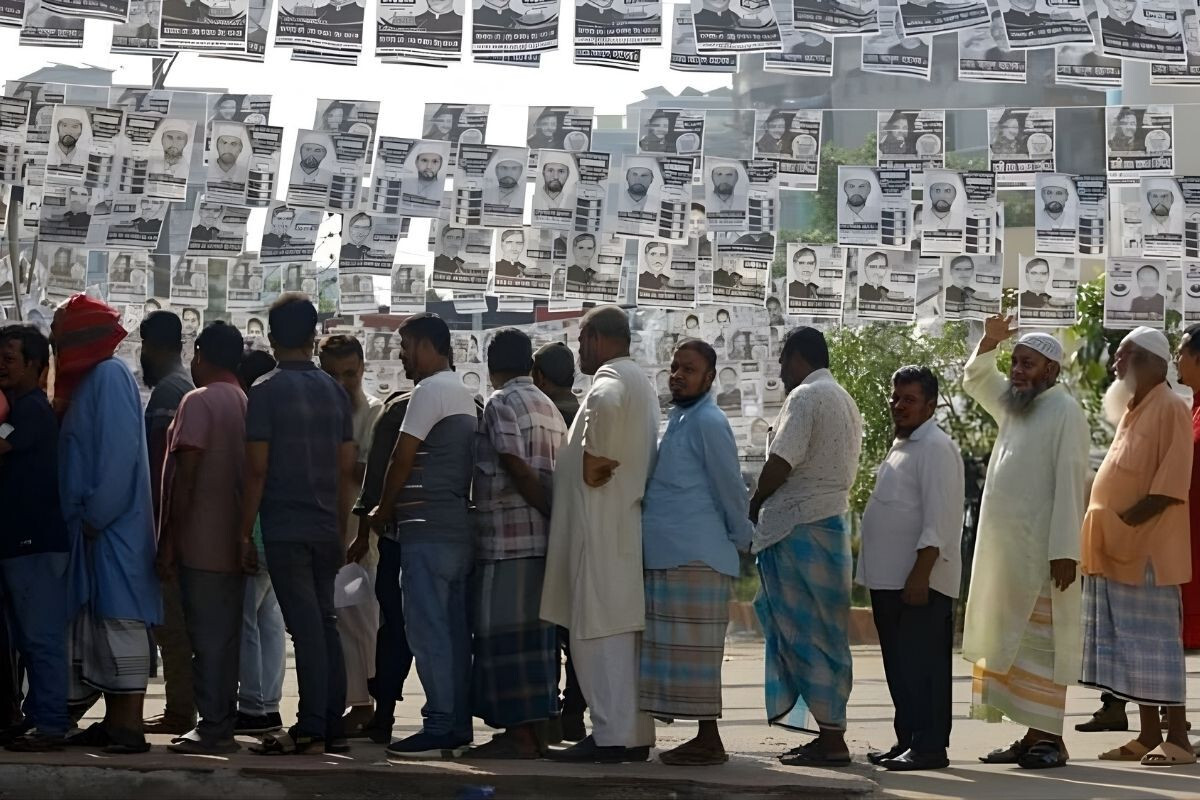
This year’s election in Bangladesh is markedly different from all previous elections. Victory at the polls does not automatically grant the power to form a government. Rather, this election is primarily for the establishment of a People’s Assembly, which will initiate the process of drafting a new national constitution.
The chief responsibility of the winning coalition will be to act as a People’s Assembly and oversee the creation of this new constitution. In parallel, it will ensure the amnesty of participants in the July Movement and grant constitutional legitimacy to all judicial and legal decisions made during Dr. Yunus’s tenure. In other words, this election is not a conventional transfer of power; it represents a historic step towards restructuring the state.
The next general election will only take place after the new constitution has come into effect. It will be based on the outcome of that election that full powers to form a government will be determined. Consequently, in the current context, victory in the polls does not symbolise immediate authority—it marks the beginning of a transitional responsibility.
The election, conducted under Dr. Yunus’s leadership, aims solely at forming the People’s Assembly, which will play a central role in ensuring constitutional stability and political balance. Dr. Ali Riaz, special assistant to Dr. Yunus and an international analyst, has stated that the new constitution will include a provision called “People’s Assembly Time.” The essence of this provision is that any government’s powers will remain limited until the constitution is fully enacted. During this period, the key responsibilities will be:
Drafting and passing the new constitution
Ensuring the amnesty of those involved in the July Movement
Conducting state affairs in a transparent, just, and accountable manner
In the current political reality, the July Movement remains the principal driving force. It was through this movement that the Awami League was removed from the electoral process, while the BNP and other coalitions have now realistically achieved the potential for majority representation. Yet, even here, it is clear that a numerical majority does not equate to immediate power; the constitution and transitional arrangements remain decisive.
In sum, this election is not a final destination—it is a crucial step. The successful implementation of this step will determine the framework for future government formation and the administration of the state.




Comments