Sunday, 5th April 2026

Khabor Wala Desk
Published: 30th January 2026, 10:31 AM
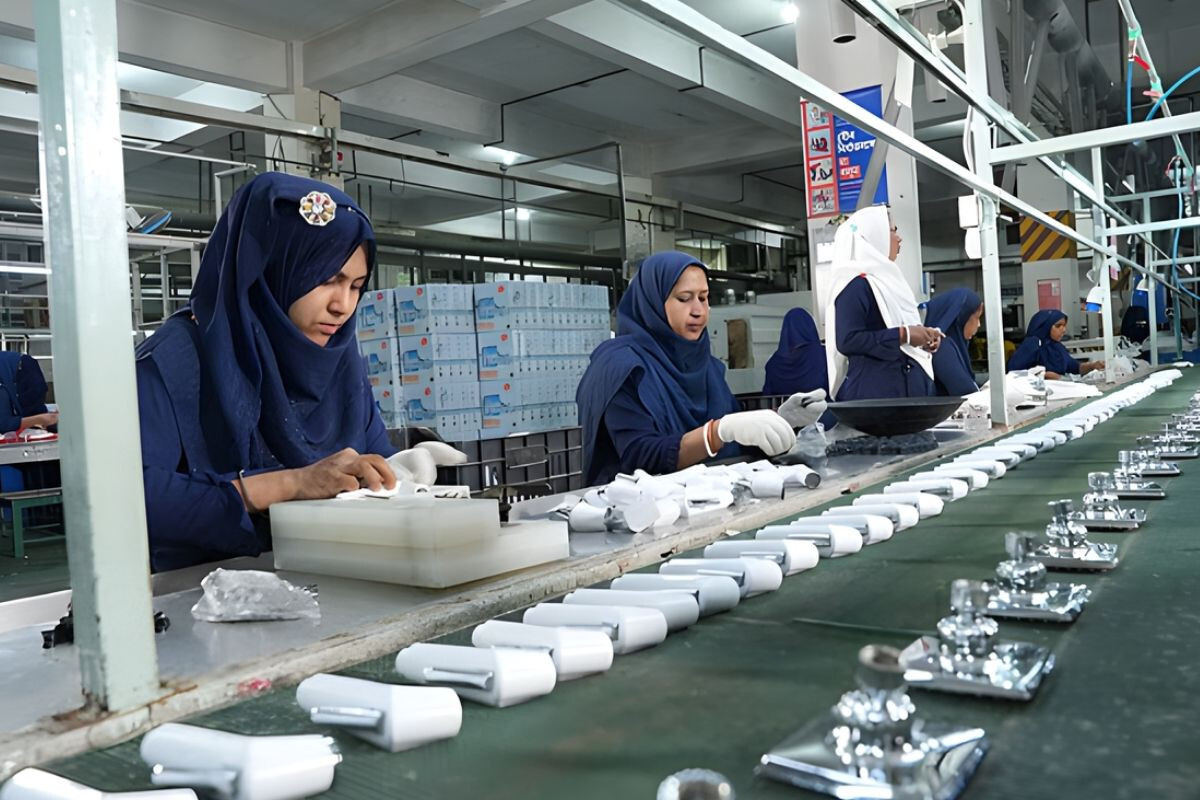
In the remote corners of Habiganj district, women are reshaping the local economy through a combination of household labour, small businesses, online initiatives, and cooperative ventures. Increasingly, they are participating in diverse sectors including trade, services, employment, small and medium enterprises (SMEs), and remittance-driven enterprises. Their engagement is gradually bringing a visible transformation to the district’s economic landscape.
According to the 2022 population census, Habiganj has a total population of approximately 2,358,886, of which women constitute over half—1,214,429 individuals. Slightly more than 42% of these women participate in the labour market, indicating significant untapped potential.
| Sector | Women’s Participation | Key Impact |
|---|---|---|
| Tea Industry | 60–70% of plantation labour | Boosts national tea output; empowers women workers |
| Agriculture | 26% of farmers | Ensures food security and supports rural economy |
| Industrial Employment | ~12,000 in Habiganj Industrial Park | Promotes financial independence and social mobility |
| Overseas Employment | ~300 women from Dudhpati | Generates remittances, enhances household income |
| Entrepreneurship | Growing SME initiatives | Creates jobs, fosters local markets |
Tea Plantation Workers:
Habiganj is one of Bangladesh’s largest tea-producing regions, home to 23 estates that contribute 22% of the nation’s total output. Women constitute the majority of the workforce, often undertaking physically demanding tasks. Mita Rani Tripura, a 45-year-old worker at Nalua Tea Estate, has emerged as an inspiration over the past decade. Initially plucking 20–22 kg of tea leaves daily, she now harvests 40–45 kg thanks to skill and dedication, earning repeated recognition as ‘Worker of the Month.’ Beyond her own performance, Mita trains fellow women in efficient and high-quality leaf plucking, while supporting her children’s education and assisting her husband in establishing a small business.
Agricultural Success:
Women like Minni Akter from Richi village have diversified from traditional paddy cultivation into vegetable and horticultural farming, along with poultry and fish rearing under homestead farming systems. Through leadership in local women farmers’ associations, she trains peers in seed preservation, microfinance management, and marketing, bolstering household income and empowering others.
Industrial Opportunities:
The Pran-RFL Industrial Park in Shayestaganj employs around 12,000 women, many from disadvantaged backgrounds. Roles range from operators to supervisors, enabling women to support their families and educate their children. Muni Munda, 28, is now the sole breadwinner for her family, providing for two university-going sisters while caring for an ailing father.
Overseas Earnings:
Women working abroad in the Middle East, such as Runa Khatun from Dudhpati village, send regular remittances, financing home construction, education, and land purchases. Their contributions have led residents to call Dudhpati the ‘village of expatriate women.’
Entrepreneurship:
Female entrepreneurship is rising through NGO support, SME loans, and cooperative initiatives. Parveen Akter, once a housewife, now operates a thriving garment business with a capital of 20 lakh Taka, employing 15–20 women and supplying local markets, exemplifying the transformative potential of women’s economic participation.
The cumulative impact of women’s labour—whether in plantations, agriculture, industry, overseas employment, or entrepreneurship—is not merely improving household incomes but reshaping Habiganj’s economy, creating a model of inclusive growth for other districts to emulate.


Comments