Sunday, 5th April 2026

Khabor Wala Desk
Published: 18th October 2025, 6:25 AM
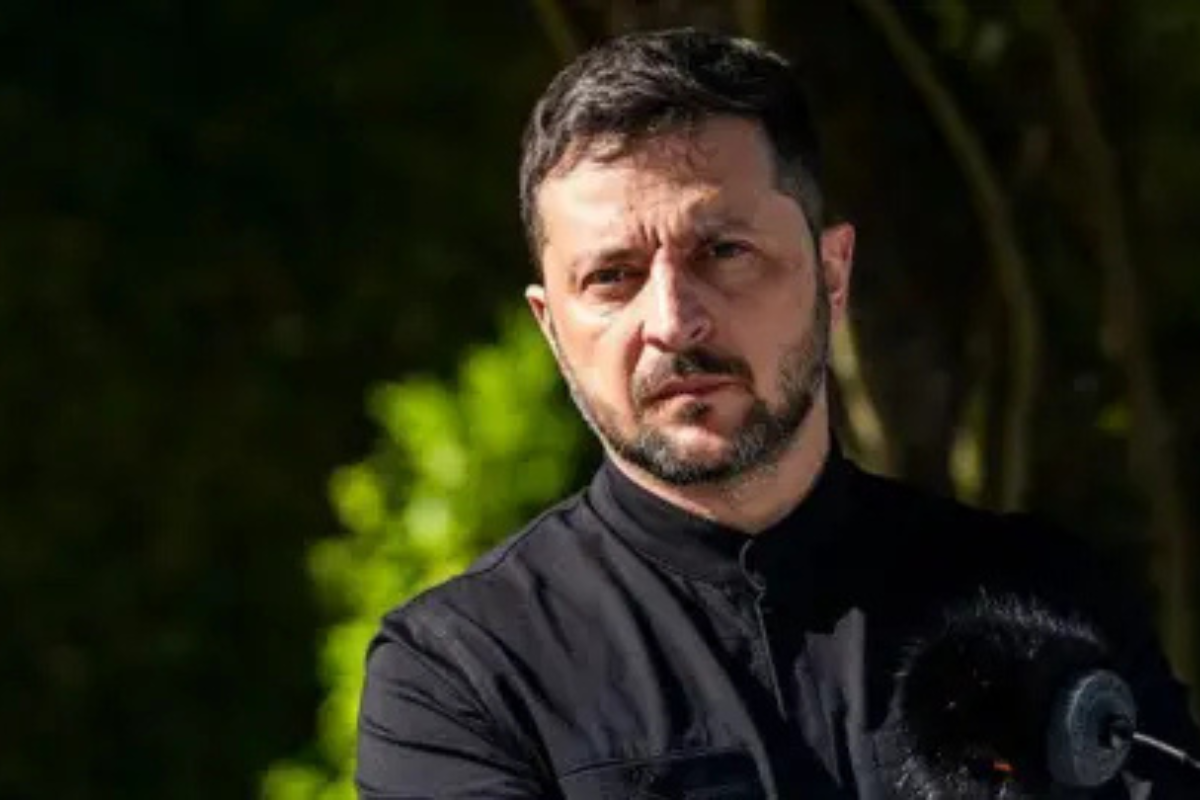
Ukrainian President Volodymyr Zelensky said on Friday that he remained “realistic” about the likelihood of receiving US Tomahawk cruise missiles, following a meeting with President Donald Trump, who reiterated that he did not wish to see further escalation in the ongoing conflict.
The Ukrainian leader’s visit to the White House came just a day after Trump’s telephone conversation with Russian President Vladimir Putin, during which the two agreed to hold a second meeting later this year — this time in Budapest.
Following his talks with Trump, Zelensky told reporters that the Tomahawk missile system, capable of striking targets up to 1,600 kilometres (1,000 miles) away, had been discussed. However, he clarified that no official announcement had been made regarding any potential delivery.
According to a Ukrainian government source, Zelensky presented Trump with detailed maps of potential Russian targets, underscoring how the precision-guided missiles could be used to weaken critical enemy infrastructure.
“I think that Russia is afraid of Tomahawks — really afraid — because it’s a strong weapon,” Zelensky said.
“They know what kind of weapons we have, our own production, and they understand that combination,” he added, alluding to Ukraine’s expanding drone warfare capabilities.
When asked whether he felt more or less optimistic after the meeting, Zelensky replied succinctly: “I’m realistic.”
He added: “We decided not to speak publicly about it because nobody wants — I mean, the United States doesn’t want — escalation.”
Immediately following his discussions with Trump, Zelensky said he participated in a conference call with European leaders, including:
| Participant | Position / Title |
| Keir Starmer | Prime Minister of the United Kingdom |
| Giorgia Meloni | Prime Minister of Italy |
| Mark Rutte | NATO Secretary-General |
This rapid coordination reflected Kyiv’s ongoing strategy of maintaining strong European alignment, particularly amid Trump’s renewed outreach to Moscow.
It was noted that during Zelensky’s previous White House visit in August, several European leaders had accompanied him, just days after Trump’s first meeting with Putin in Alaska.
The relationship between Kyiv and Washington has faced turbulence in recent months. In February, shortly after returning to the White House, Trump and Vice President JD Vance publicly criticised Zelensky, accusing him of showing insufficient gratitude for American military support.
Asked whether his recent call with European allies was meant to shore up backing in light of Trump’s renewed engagement with Putin, Zelensky firmly denied this: “I didn’t call them to have support. I know we have this support.”
Looking ahead, Zelensky expressed openness to a potential trilateral meeting with Trump and Putin “at a future date”, though he declined to comment on whether he would consider joining the two leaders in Budapest.
While the question of Tomahawk missile delivery remains unresolved, the discussions underscored the complex balance between military deterrence and diplomatic caution — as Washington, Kyiv, and Moscow continue to navigate a tense and evolving geopolitical landscape.
At a Glance: Key Details from the Zelensky–Trump Meeting
| Aspect | Detail |
| Date of Meeting | Friday (following Trump–Putin call) |
| Location | The White House, Washington D.C. |
| Main Agenda | Discussion on Tomahawk missiles and escalation risks |
| Zelensky’s Stance | “Realistic” about prospects of receiving missiles |
| Trump’s Position | Opposed to escalation with Russia |
| Follow-up Action | Zelensky joined a call with European and NATO leaders |
| Future Plans | Open to potential three-way meeting with Trump and Putin |
Zelensky’s restrained optimism reflects a pragmatic approach to Western support — balancing Ukraine’s pressing military needs with the political sensitivities surrounding any move that could deepen confrontation with Moscow.



Comments