Khaborwala Online Desk
Published: 08 Feb 2026, 11:29 am
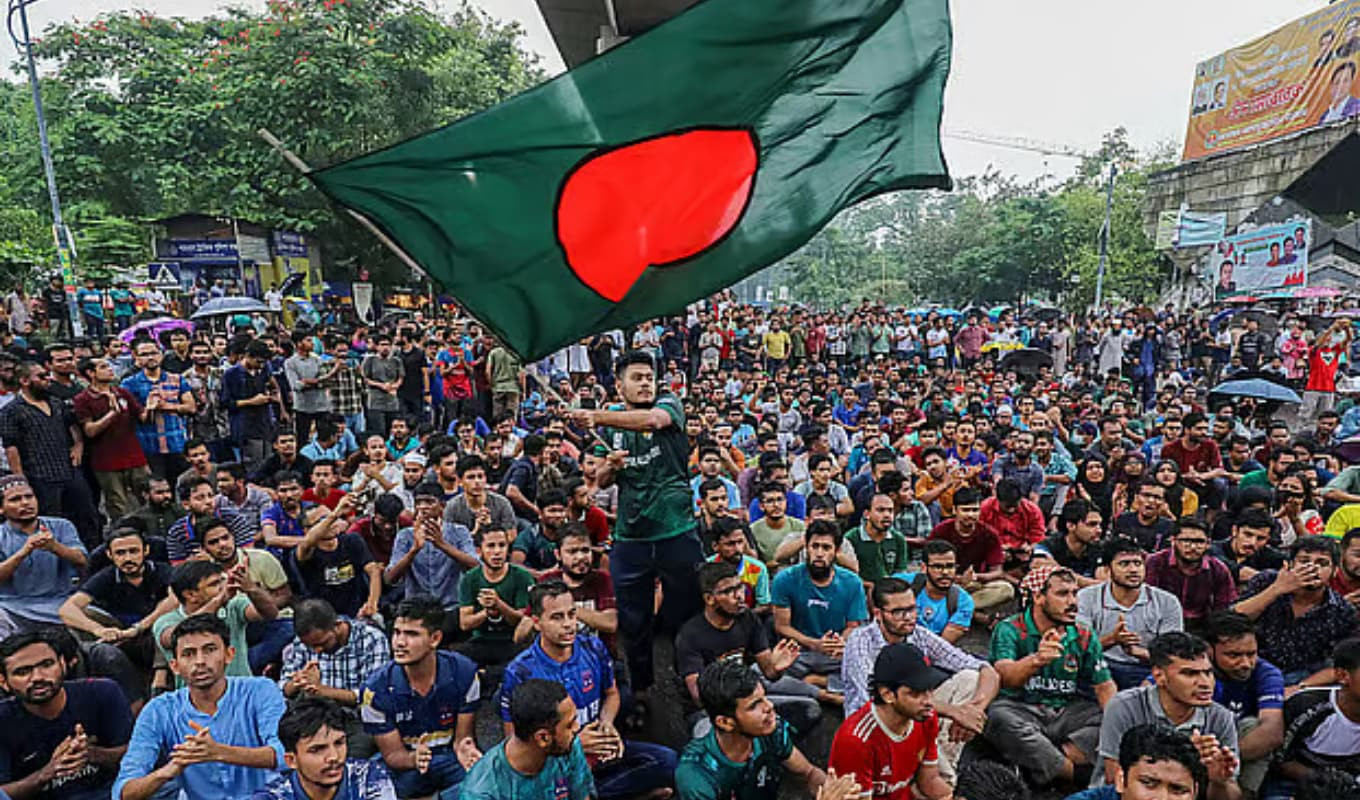
Political analysts in Bangladesh believe that the role of young voters in the upcoming national election is set to be decisive. Across online forums, social media platforms, and offline debates, the country’s youth are actively engaging in discussions, scrutinising policies, and even stepping forward as candidates themselves. First-time voters, in particular, are approaching the election with a strong sense of civic responsibility and awareness of their democratic duty.
Arpa Barua, a student at the Institute of Education and Research, University of Chittagong, reflected on her experience: “Casting my vote is both a new and significant experience. Although I have some concerns regarding safety, it is also an exhilarating moment and an opportunity to participate responsibly.”
A survey of twenty first-time voters from various universities indicates that eight have already made their voting decisions, while twelve remain in the process of observation and analysis. The primary factors influencing these decisions include social media, peer and family advice, and candidates’ policies and activities.
| University | Student | Voting Decision | Primary Influence |
|---|---|---|---|
| University of Chittagong | Arpa Barua | Observing | Sense of duty, safety concerns |
| Jagannath University | Mahbubul Hasan | Decided | Political context, future expectations |
| North South University | Suraiya Safia | Observing | Social media, teacher guidance |
| Canadian University | Nusrat Jahan | Observing | Verification of information, personal judgment |
| Hazi Mohammad Danesh University | Jannatul Ferdous | Observing | Parents’ advice |
| Bangladesh University of Business and Technology | Zahid Hossain | Decided | Candidate and party performance |
Young voters are primarily evaluating candidates based on personal merit, integrity, and proven track records. While party ideology and symbols play a role, many students emphasise that selecting the right individual is key to driving tangible societal and national change.
Usman Gani, a student at Chittagong University, stressed: “Elections alone cannot bring change. Without social and political reform, even the most well-intentioned electoral outcome will have limited impact. Infrastructure can change, but shifts in values and ethics are essential.”
Students like Fatin Nawal of Rajshahi University and Maymuna Sharmin of Chittagong argue that gradual, positive change is achievable if responsible and informed young voters actively participate in the electoral process. Their awareness, accountability, and evidence-based decision-making are expected to form a strong foundation for Bangladesh’s political and social future.

> Job at museum in July without written exam
> Shubho and Jannat Launch Captivating Music Videos
> Shepherd’s hat-trick at the start of the World Cup
> EC Issues Stern Warning to Lakshmipur-3 Jamaat Candidate
> She killed her 3-year-old child for an extramarital affair.
> Khaled Leads Durbar Eleven Into Final
> Karnataka CID Busts Massive Cyber Fraud Network
> Sonali Life Secures Sixth International Insurance Award
> Nationwide Traffic Restrictions Issued Ahead of Election
> China’s Ageing Crisis Exposed by Hospital Scams
> IS Claims Responsibility for Islamabad Mosque Attack
> Five-Day School Holiday Scheduled in February
> Taylor Swift’s ‘Opalite’ Video: How to Watch Early
> Two Politicians, Two Destinies — The Death of Ramesh Sen and the Waiting End of Mirza Fakhrul

The Ministry of Cultural Affairs has initiated a hurried recruitment drive at the July Mass Uprising...

Bangladesh’s music enthusiasts are in for an exciting treat. Popular vocalist Shubho is set to relea...
On the eve of the 13th national parliamentary elections, the Bangladesh Election Commission (EC) has...
In a shocking case from Gopalganj Sadar, a 25-year-old mother, Setu Begum, has been accused of murde...

Durbar Eleven has stormed into the final of the Bangladesh T20 Cup, capping a remarkable league stag...
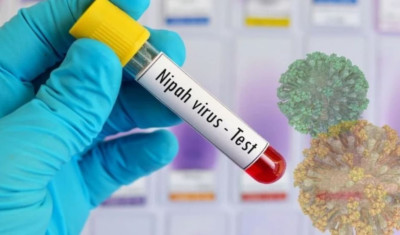
Bangladesh has reported its first death due to the Nipa virus, the World Health Organization (WHO) h...

Standard Bank PLC convened a comprehensive business review meeting on Saturday at its Dhaka headquar...
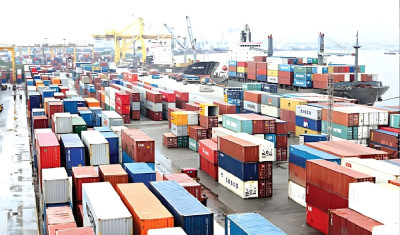
Chittagong Port has once again ground to a halt as workers launched a renewed strike on Sunday, prot...
The interim government of Bangladesh has announced a comprehensive reform programme designed to revi...
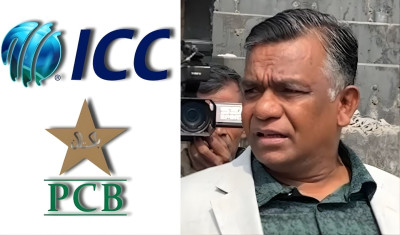
Bangladesh’s exclusion from the T20 World Cup following its refusal to play in India has sparked a s...
On a humid Saturday afternoon, the riverside settlement of Ramchandrapur in Rajshahi presents a vivi...
A fresh controversy has emerged in Bangladesh over the use, transparency, and prioritisation of corp...


Availabe for iphone & ipads

Available in google play
 বাংলা
বাংলা