Monday, 6th April 2026

Khabor Wala Desk
Published: 2nd March 2026, 2:59 PM
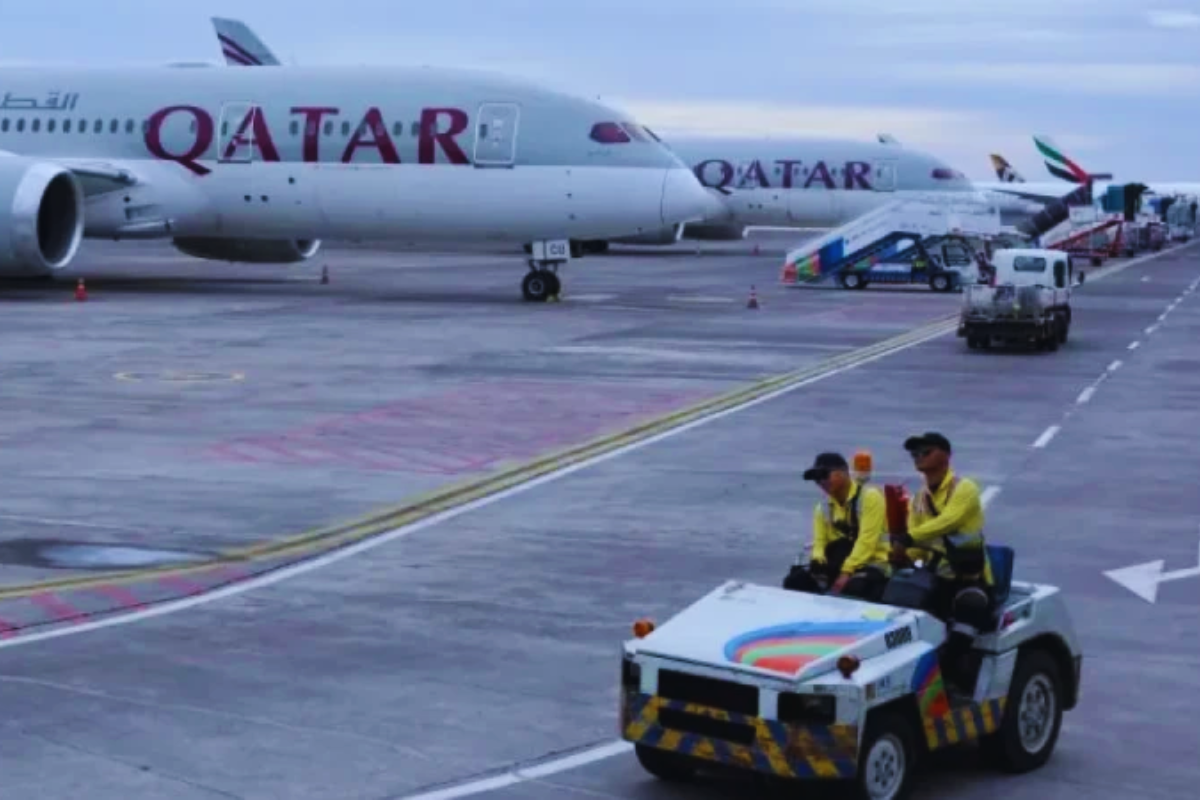
The Middle East has been thrown into turmoil as a result of ongoing conflict between Iran, Israel, and the United States. In retaliation for joint U.S.–Israeli strikes, Iran launched counterattacks, forcing the closure of airspace across the Gulf region. Within the first few days of the escalation, more than 3,400 flights have been cancelled, leaving an estimated 300,000 passengers stranded at airports across the region.
According to Qatari news outlet Al Jazeera, major airports in Dubai, Abu Dhabi, Sharjah, and Doha have suspended operations temporarily. These hubs serve as key international transit points, and their closure has caused significant disruption to global air travel. The UK has reportedly deployed teams to assist in evacuating its citizens from the affected areas.
| Airport | Country | Cancelled Flights | Notes |
|---|---|---|---|
| Dubai International Airport | United Arab Emirates | 1,100+ | Partial operations suspended |
| Hamad International Airport | Qatar | 800+ | International flights cancelled |
| Abu Dhabi International Airport | United Arab Emirates | 700+ | Temporarily closed |
| Sharjah International Airport | United Arab Emirates | 600+ | Limited operations |
| Other regional airports | Gulf States | 200+ | Partial cancellations |
Overall, six to seven major airports have been affected, creating a ripple effect across Europe, Asia, Africa, and beyond, as the Gulf serves as a critical hub for international air travel.
Social media posts show passengers stranded at Hamad, Dubai, and Abu Dhabi airports facing long queues for rebooking flights, collecting hotel vouchers, and seeking assistance. Many travelers are forced to sleep inside terminals.
Airlines and embassies worldwide are coordinating to ensure the safety of their citizens. However, as long as the Gulf airspace remains closed and the conflict continues, thousands of passengers will remain in uncertainty.




Comments